
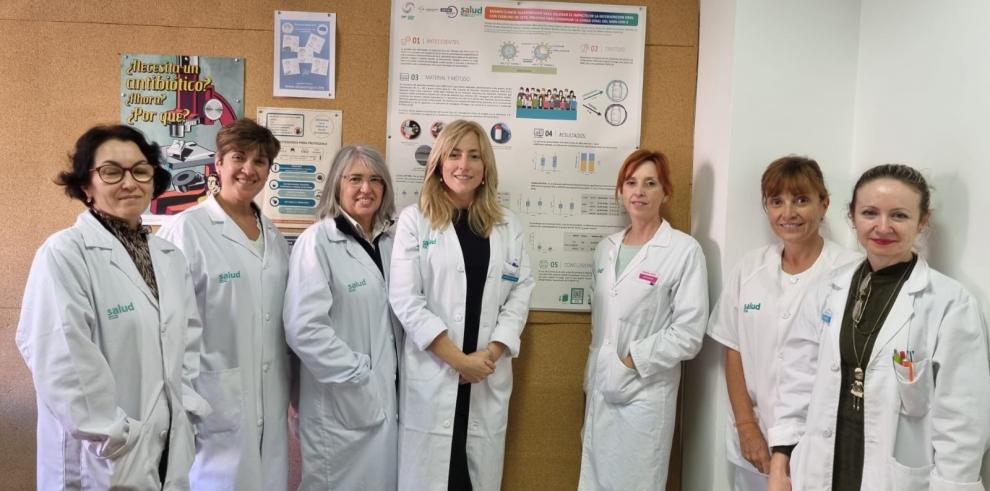
Rinsing for one minute with 0,07% CPC contributes to the degradation of the virus that causes COVID-19
12 December, 2022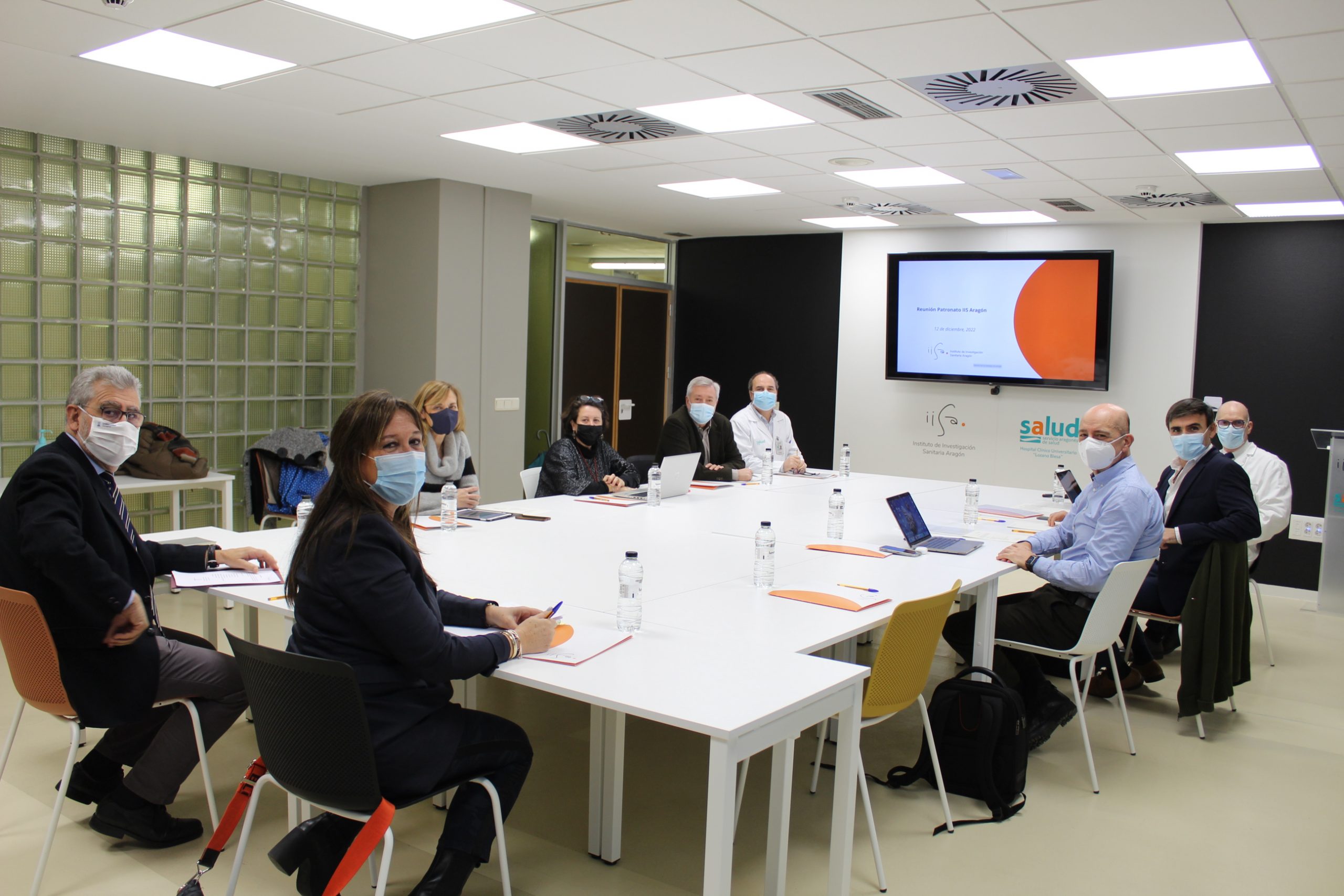
The Aragón Health Research Institute closes 2022 consolidating its growth in recent years and looks to the short and medium term through its 2023 Action Plan and the new Strategic Plan 2023-2027
14 December, 2022
The FERO Foundation will celebrate its IV Scientific Retreat on December 12 and 13 in the Aragonese capital, which will allow several winners of the entity's scholarships, such as doctors Alberto J. Schuhmacher, María Abad, Aleix Prat or Ignacio Melero, to explain the progress made in their respective projects.
The FERO Foundation will celebrate its IV Scientific Retreat on December 12 and 13 in the Patio de la Infanta of the Ibercaja Foundation in Zaragoza. This is an event in which the advances in cancer research that are being made possible thanks to the support of the FERO Foundation are announced. Since its launch, 25 million have already been invested in more than 50 research projects. There has also been a commitment to young talent, with the 23 editions of the scholarships awarded to 46 young researchers. And all this investment is beginning to bear important fruits, some of which will be explained during this IV Scientific Retreat.
Many of the researchers to whom FERO has given its support since the beginning of these scholarships – some international and consolidated today – began with a push and a commitment on the part of FERO, with the vision that characterized Dr. Josep Baselga, who created the foundation in 2001. Some of these researchers will be present at the event, which has chosen Zaragoza and some of its researchers as hosts, with the support of Fundación Ibercaja and AstraZeneca.
This is the case of Dr. Alberto J. Schuhmacher, researcher at the Aragonese Agency for Research and Development (ARAID) and head of the Molecular Oncology Group at the Aragón Health Research Institute, who was the winner of the XIII FERO Scholarship awarded in 2017. “FERO's commitment to my laboratory has been an important seed from which a tree has been born that is already beginning to develop new branches of research. We have been able to go from being a two-person laboratory to now having eight and a solid virtual biopsy project,” he says.
The initial project that received a grant aimed to overcome an important barrier to the diagnosis and monitoring of brain tumors. Positron emission tomography –PET for its acronym in English– is a very useful tool for diagnosis that could not be used adequately in brain tumors. After an analysis of thousands of tumors, they identified a biomarker for which nanoantibodies were developed. In this way, using them as contrast it was possible to use PET to obtain biomedical images in experimental models of these tumors.
From here on, new indications are being developed, ranging from its use with fluorescence to facilitate guided surgery, to its use as therapy, either through the coating of nanoparticles that carry drugs in a targeted manner or allow the use of hyperthermia, or for its own use by targeting genes that are very important for tumor development. “We have also been able to see that some of these antibodies can not only be used for brain tumors, but could also be used in other tumors, such as pancreas or metastatic breast tumors,” adds Schuhmacher.
Read the article on the original website, clicking on the button below this text
Source: Heraldo.es
Featured Image: Source Pexels.com, photo by Chokniti Khongchum





