
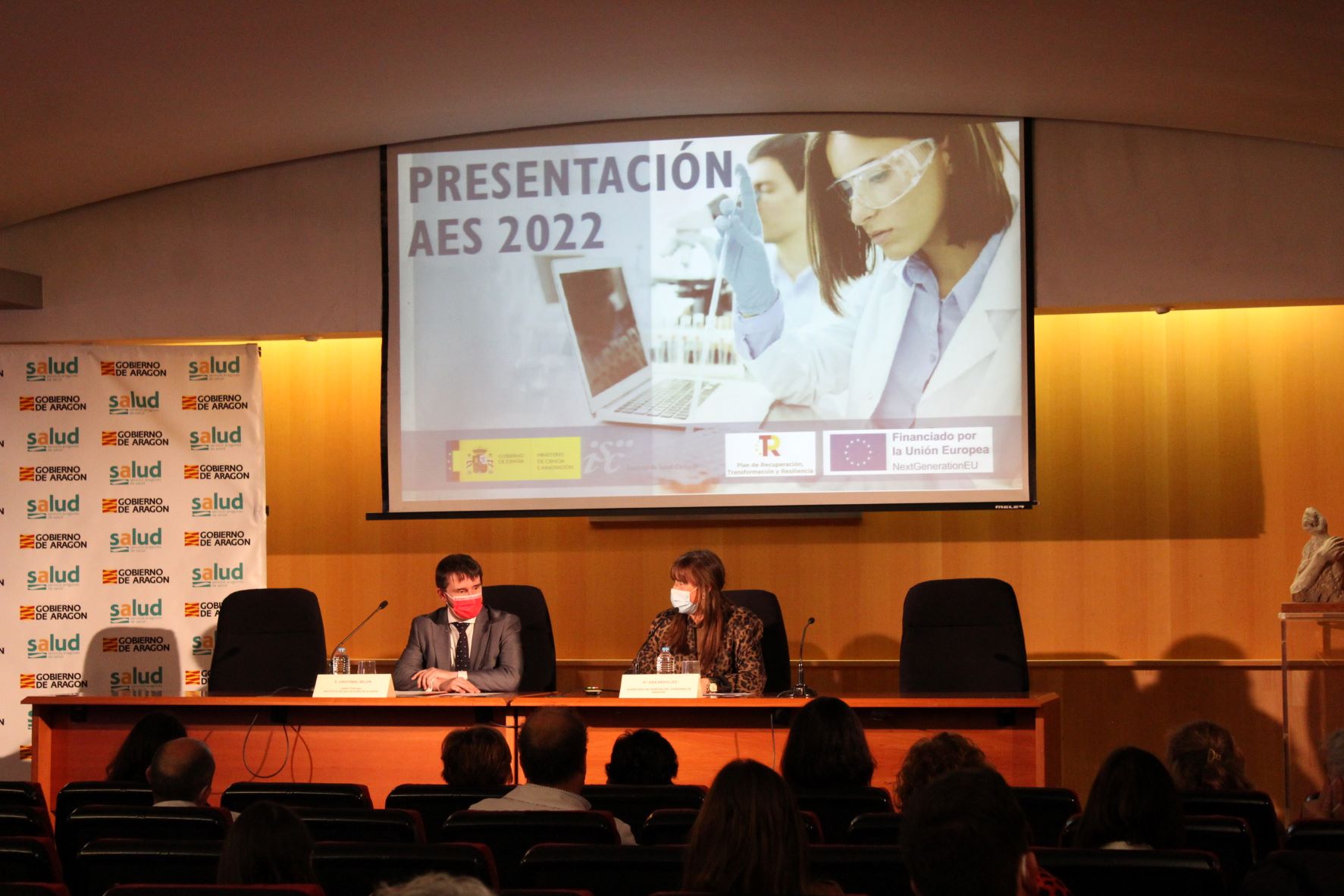
The Carlos III Health Institute presents the Strategic Health Action for 2022 at the Lozano Blesa Clinical Hospital in Zaragoza
15 February, 2022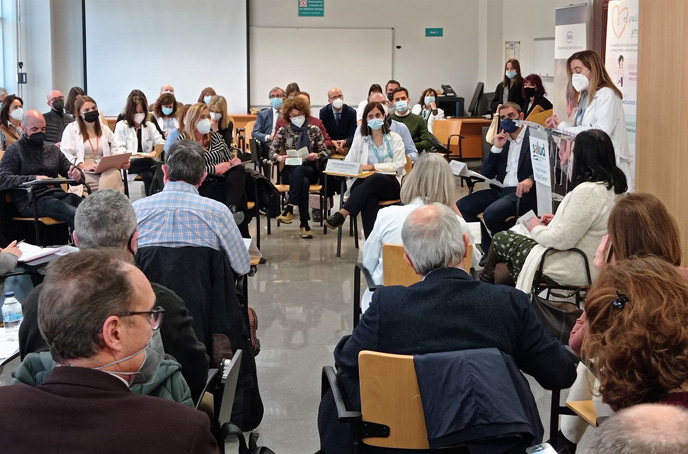
«Patient experience» in rare diseases
17 February, 2022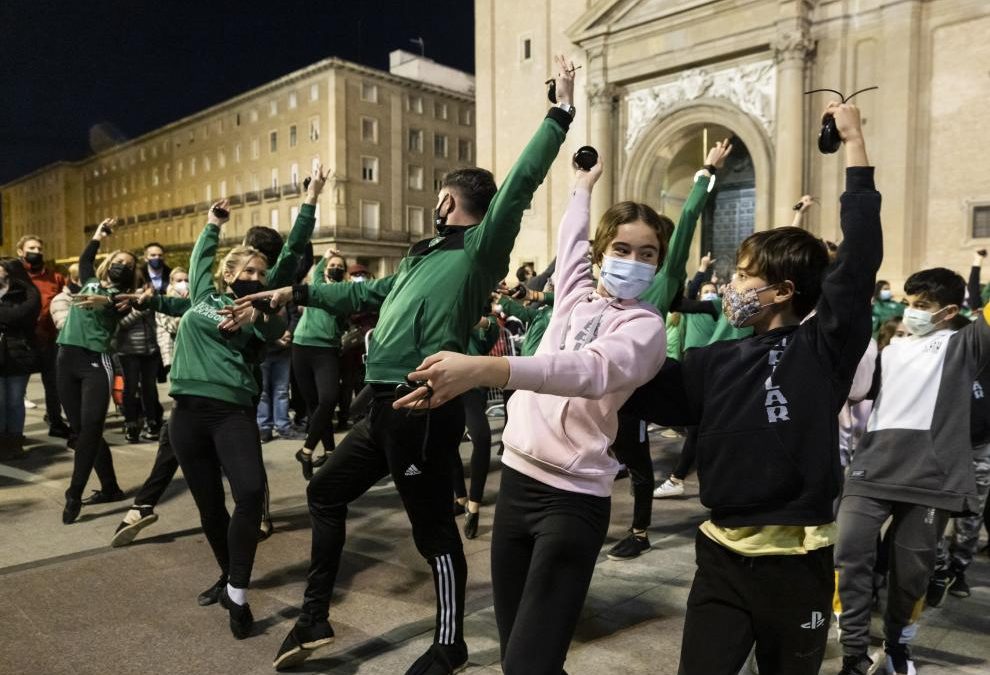
More than 1.200 dancers have participated in the 'flashmobs' that have been held in the three Aragonese capitals and in which more investment in research is demanded.
From 3 or 4 years old to 75 or more, castanets in hand, and ready to give everything dancing 'El bolero de Zaragoza', which they have been rehearsing for several months. When the cause is worthwhile, make visible the cancer children on the occasion of their international day, there is no age that is an excuse. "110 of us have come and we are delighted. Since we were notified in December we have been preparing it and the little ones, especially, are delighted"said Juan Carlos Aguayo, director of the Baluarte Aragonés school in Plaza del Pilar minutes before 19.00:XNUMX p.m., start time. The solidarity initiative returns after not being able to be held last year due to the pandemic and thus reaches its fifth edition.
In front of the Basilica, in an area delimited by ribbons, about 1.100 people danced. The same jota has been played for 110 dancers in Huesca and for another fifty in Teruel. Raúl Pérez, who plays the guitar in the El Pilar Folkloric Group, was going to dance with his 8-year-old daughter Lucía, who had asked him to. "It seemed a little difficult to me, but it will be fine because I have been learning it since December," Lucía said. Pilar Ruiz, 24 years old, like all her classmates at the Nobleza Baturra school, wore a gold ribbon, a color that symbolizes the fight against childhood cancer. "I started learning last year, it was one of my dreams, and it's going to be my first 'flashmob'," she commented almost when it was time to get in position to start.
The chosen piece, 'El bolero de Zaragoza' "is a traditional jota, everyone knows it and you can dance it as a family," explained Sara Caballero, one of the three promoters of the Jotéate association that organizes this event together with Aspanoa. "We believe that the jota is a means of transforming society and this is the best example," he says.
After a first interpretation, in the intermission more was claimed Your Strategic in research, "more technical and human means so that one day this disease stops being so hard". And the jota's candidacy as a UNESCO intangible cultural heritage asset was supported. To the delight of the spectators who came, there was an encore. In the end, the applause was confused with the ringing of castanets.
Source: Heraldo de Aragón





