

Preeclampsia during pregnancy increases risk of stroke later in life
29 April 2021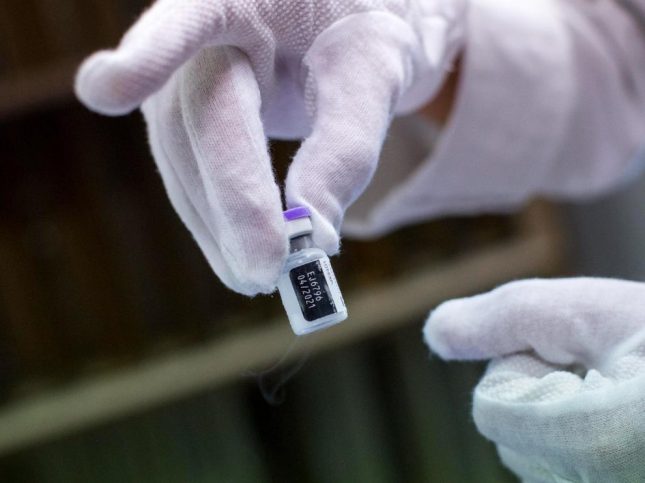
An English study ensures that a dose of Pfizer or Astrazeneca against covid reduces the transmission of the virus by almost half
29 April 2021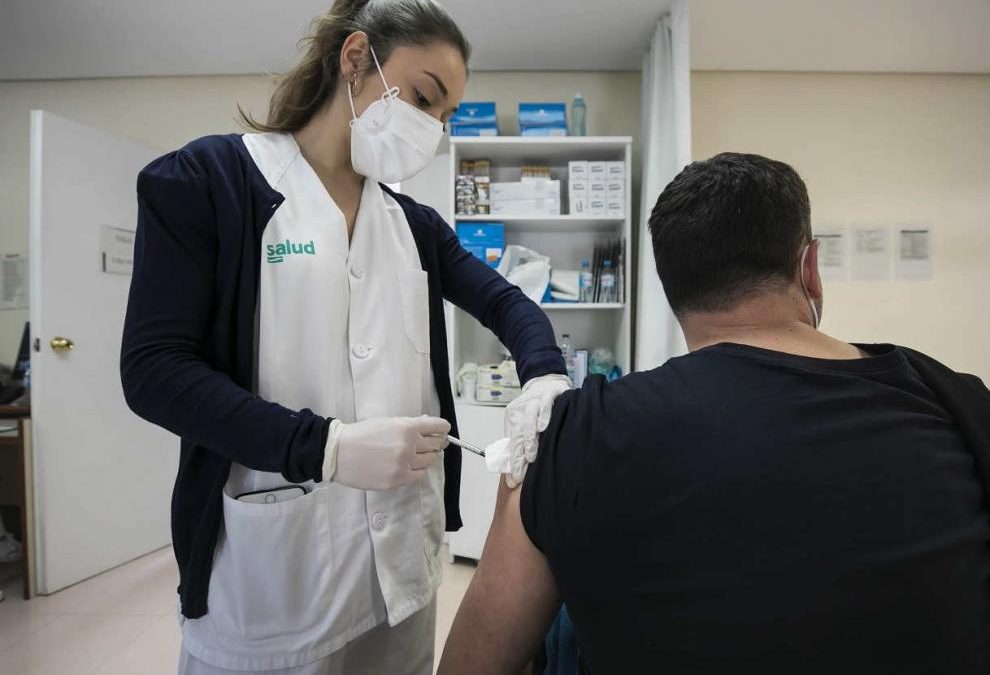
Health recommends delaying the vaccination of people under 65 years of age until six months after suffering from the disease or infection and administering a single dose of the vaccine.
Current evidence indicates that reinfection with the new coronavirus is exceptional in the 6 months following a natural infection. This fact, added to the knowledge that people who have had the infection have a very high immune response and superior to that of people who have not had contact with the virus, has led health authorities to delay the vaccination of minors. 65 years old up to six months after suffering from the disease, as stated in the latest update of the 'Covid-19 Vaccination Strategy.
But how is this circumstance controlled with the self-appointment system in Aragon? From the Zaragoza Nursing College they indicate that with the progressive opening of schedules to vaccinate those under 65, it may happen that patients arrive at health centers who have found space to be vaccinated despite having had the disease relatively recently.
"We normally ask if they have had Covid or not, but the ideal would be for this to stop at the time of the appointment or for a warning to be issued to those who have already had the disease," advises the president of the College of Nursing, Teresa. Tolosana, in order to avoid misunderstandings when agendas are opened to new age groups.
Currently, healthcare providers follow two different guidelines when vaccinating patients who have already had Covid-19. On the one hand, those under 65 who were infected less than a year ago must wait six months and be vaccinated from that moment on with "a single dose"; while in the case of those over 65, the usual regimen of two doses is followed, whether they have had the disease or not, explains this nurse, who nevertheless clarifies that receiving an extra dose will not harm the patient. . Simply put, she clarifies, "there would be a dose that would not have been necessary to give."
From Health they remember that the deadline to get vaccinated, once the vaccination schedule is opened to a certain age group, does not prescribe. "The option to date does not disappear, once you have it you can date whenever you want," they reiterate. On the contrary, if a person who has been scheduled does not show up, they lose their turn and in principle could not be scheduled again immediately.
Another circumstance that may occur is that the patient who has been scheduled to be vaccinated does not remember exactly the date of infection, which would lead the nursing staff to have to verify that information. "If someone tells us (and it has happened): 'I had it, but right now I don't remember when'. Then we go into the patient's medical history and check it. If six months have passed since he was discharged, we put a single dose and we cancel the second appointment. We can do this when we are vaccinating in our center, which gives access to the patient's history, but if you are vaccinating in an external center, we cannot check anything," adds Tolosana, who urges in the coming months to "refine" this circumstance further in the self-appointment system to avoid wasted trips to the authorized vaccination points.
"When we end with this age group of those over 65 and we have to give vaccines mainly to young people, this issue has to be well woven so that people do not suffer the inconvenience of having to come and wait in line so that later - if has been through it - let's say no, because in the end every extra question and every check only slows everything down," concludes this health worker.





