
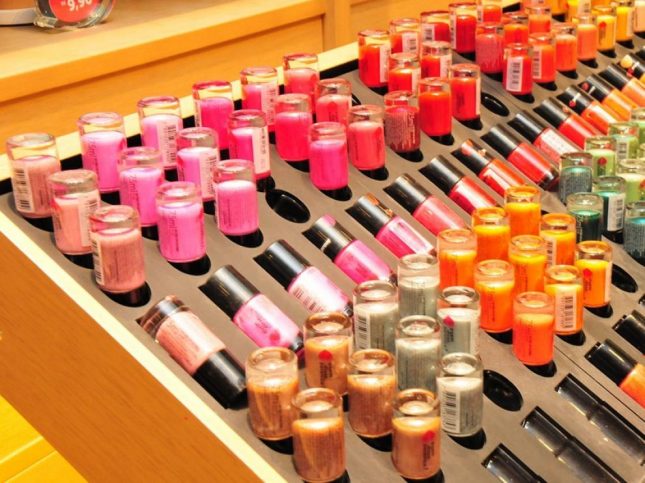
Substances present in lipsticks, dyes or creams can increase the risk of endometriosis
24 February, 2021I call for Awards for Research and Innovation Projects for the early detection of lung cancer in Spain _ Lung Ambition Alliance
24 February, 2021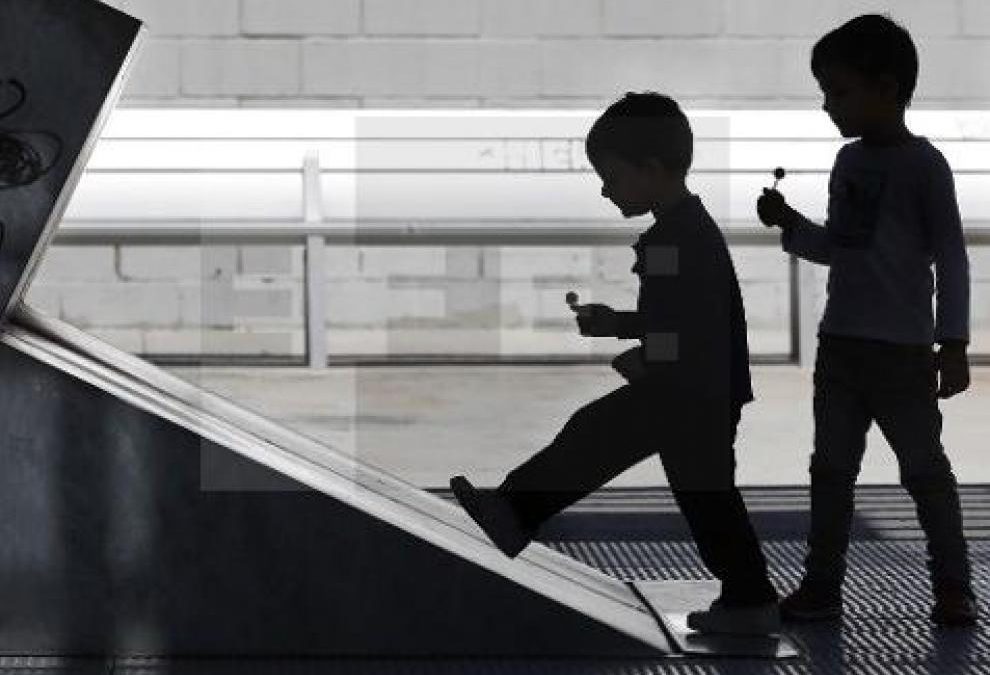
The document indicates that the covid-19 pandemic has pushed children and young people in Europe and elsewhere to feel pressure and uncertainty.
One in five children in the European Union has claimed to be growing up unhappy and anxious about the future, according to the report 'Our Europe. Our rights. Our Future' published this Tuesday by ChildFund Alliance, Eurochild, Save The Children, Unicef and World Vision in collaboration with the European Commission.
The study, for which 10.000 children between 11 and 17 years old have been consulted, aims to be a reference to shape the design of the next European Union Strategy on Children's Rights and Child Guarantee.
The document indicates that the covid-19 pandemic has pushed children and young people in Europe and elsewhere to feel pressure and uncertainty.
Specifically, one in ten children surveyed has indicated that they live with mental health problems or symptoms such as depression or anxiety, with girls feeling more at risk than boys, while older minors have reported higher levels of issues.
A third of the children surveyed have acknowledged having suffered discrimination or exclusion, a situation that has also been experienced by 50 percent of children with disabilities, migrants, ethnic minorities or those from the LGTBQ+ group.
According to the report, three-quarters of the children surveyed have also stated that they are happy at school, but 80% of 17-year-olds have said that they feel that the education offered to them does not prepare them well for the future.
In this sense, the majority of children have stressed that they would like to make changes in their school life. Specifically, 62% have chosen to have less homework, and 57% have chosen to have more interesting classes.
Likewise, almost a third have stated that they would like to influence the content of the school curriculum, with more sports activities -33%-, learning about children's rights -31%- and more artistic subjects -31%-.
On the other hand, almost all of the minors surveyed have indicated that they have heard about children's rights, while 88% have stated that they are aware of climate change and its impact on the community; 8% more or less aware and 4% were not sure.





