
HIV is still present and no one should be left behind
2 December, 2020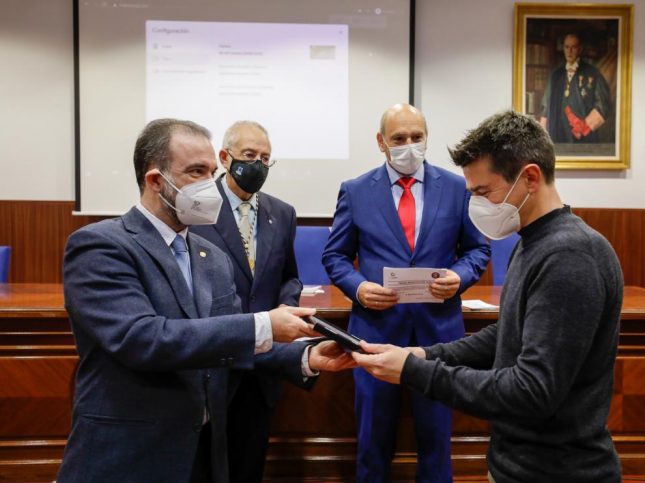
Researcher Miguel Baya, winner of the Zaragoza Academy of Sciences award
4 December, 2020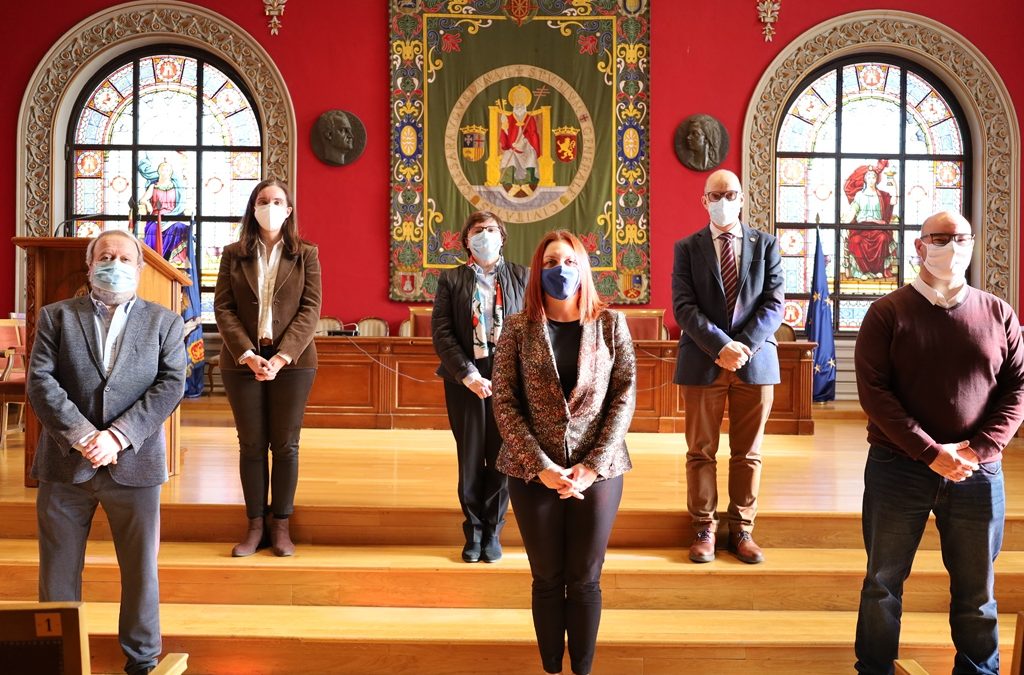
Researchers from I3A-University of Zaragoza, IIS Aragón and the spin off BEonChip participate in a European project to advance towards personalized medicine
They will recreate the skin in the most realistic way possible to study its conditions and increase the safety of topical products.
They will simulate the process of metastasis in breast cancer in the laboratory with patient samples to achieve treatments according to the characteristics of each of them.
This research is part of a European macro-project, Moore4Medical, with more than 66 partners from 12 countries, led by Philips and with a budget of 68 million euros.
A multidisciplinary team of Aragonese researchers are part of the European Moore4Medical project, led by the company Philips. It has the participation of 66 companies, universities and research institutes from 12 countries and has a budget of 68 million euros.
The project responds to one of the lines of action of the European Union in the search for solutions for health systems. Moore4Medical focuses on research and the application of technological advances in the field of health to achieve more personalized and sustainable medicine.
Aragon is represented by the Aragon Engineering Research Institute (I3A) of the University of Zaragoza, the Aragón Health Research Institute (IIS Aragón) and the spin-off company BEonChip. All of them, united by their lines of research around technology organ-on-chip, with which specific functions of human organs are simulated in the laboratory in a much more precise way than the current one, they will try to advance the models in the laboratory so that they better reproduce what really happens in patients.
This technology is becoming established around the world as an effective alternative to animal experimentation and traditional culture in Petri dishes. In addition, it is expected to significantly reduce drug costs by reducing false positives, which lead to an extra cost in time and money in the development of new drugs.
Skin diseases and cancer metastases
Part of the Aragonese research work in the Moore4Medical project will focus on the study of the skin. It is one of the most important organs we have due to its protective function against external agents and its diseases, although usually mild, occupy fourth place in terms of economic cost for society. Researchers from the TME Lab group at the University of Zaragoza and the company BEONCHIP will be in charge of recreate the different layers of the skin (epidermis and dermis) in the laboratory. With these models, conditions such as psoriasis or atopic dermatitis, some types of skin cancer (melanoma) will be studied, and pharmacological and/or cosmetic compounds will be analyzed without the need for experimental animals.
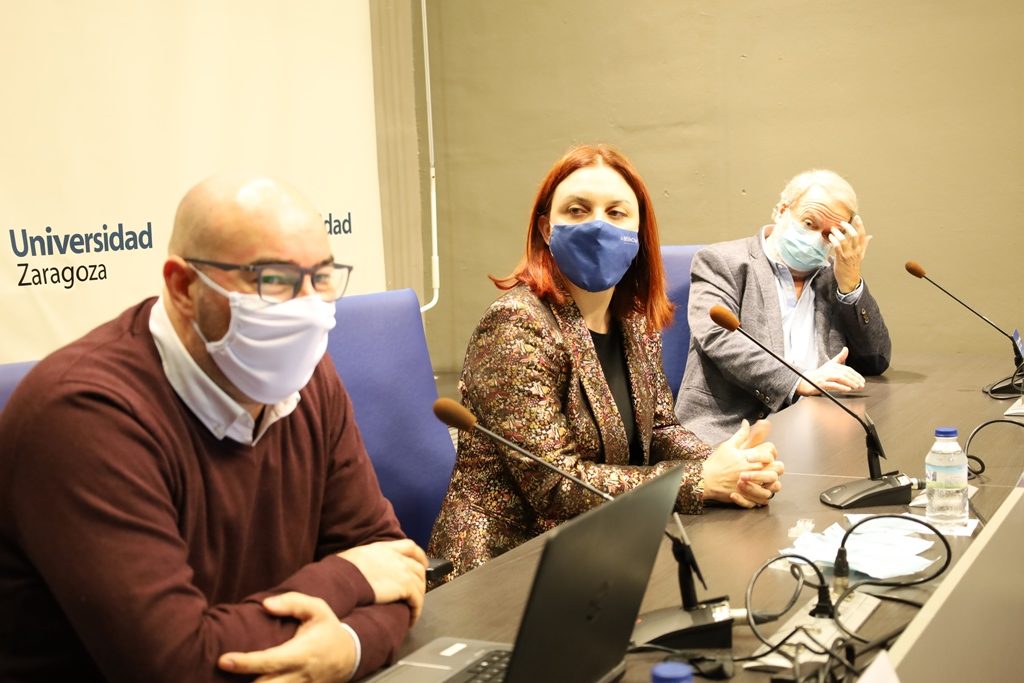
The Aragonese participation also contemplates other lines of work such as the development of a model that simulates the process of metastasis in cancer, focusing on breast cancer. This section is led by the Medical Oncology group of the Miguel Servet University Hospital and the IIS Aragón. Here, researchers will try to place cells from breast cancer patients in a device that simulates how these tumor cells escape into blood vessels, causing metastasis. In this way, in the future, we could have a tool that helps to know which drugs are effective for each patient and thus combat the spread of cancer to other tissues.
The goal of Moore4Medical is create a universal platform that makes automatic drug testing possible under the most physiological conditions possible and with the participation of different organs (body on chip). “It is the part of the European project in which there are more people involved,” explains Rosa Monge, CEO of Beonchip, who adds that it is “a new technology, but it is where we are heading when it comes to testing and it is good to start creating standards.”
From Beonchip they will recreate, through the organ-on-chip, the biomimetic environment for the skin and these models that are developed will be biologically validated by researchers from the I3A and the IIS Aragón. It is one more step to avoid animal testing, already prohibited in cosmetics research.
This same technique will be used in the IIS Aragón for the work in metastatic breast cancer. The research institute will provide patient samples, whether tissue or tumor cells. With this material, cultures will be made to establish the characteristics of these tumors and if it is possible to predict the sensitivity to chemotherapy treatments, as well as to verify the resistance mechanisms that they may offer to these treatments. “If we see that it really has an adequate projection, the technique will be transferred to other types of cancer, such as lung, pancreas or melanoma,” says Antonio Antón, principal investigator at IIS Aragón in the project and head of Medical Oncology. from the Miguel Servet University Hospital.
Iñaki Ochoa, researcher of the group TME Lab, highlights the importance of “we have united different groups that in Aragon work around the organ-on-chip and we can participate in this very ambitious project.” Likewise, he highlights, as one of the strong points of Moore4Medical, “the public-private collaboration to bring something that until now was in the laboratory to clinical reality.” This researcher also highlights the outstanding position of Aragón in the development of this technology at a national and international level and the quality of his work.
For his part, Dr. Antonio Antón emphasizes that from “the IIS Aragón we will give the clinical vision of the translation of the project so that the patient has a benefit. If the forecasts come true, in the near future we will be able to fulfill one of the oncologist's dreams: predicting what will happen with the treatments."
The project Moore4Medical It will provide the possibility of joining efforts between the electronic components and systems industry and the pharmaceutical industry to help reduce hospitalizations, develop personalized therapies and improve diagnostic tools. In addition to Organ on Chip technology, research teams will try to advance in the development of implantable devices, in monitoring adherence to treatments, in performing radiation-free interventions or in the new generation of intelligent ultrasounds.
------
Moore4Medical is funded by ECSEL JU (partnership between the public and private sectors for the area of electronic components and systems) in collaboration with the Horizon 2020 Framework Program of the European Union and institutions from different participating countries, in the case of Spain the Ministry of Science and innovation.