Not all people who have had covid develop sufficient antibodies against the virus
8 March, 2021
They demonstrate the exposure of domestic ferrets to coronavirus
8 March, 2021
Dolores Lasaosa, 61 years old and from Biescas, is part of the Metastatic Breast Cancer Association, which has promoted a state-level initiative to make the disease visible and support research.
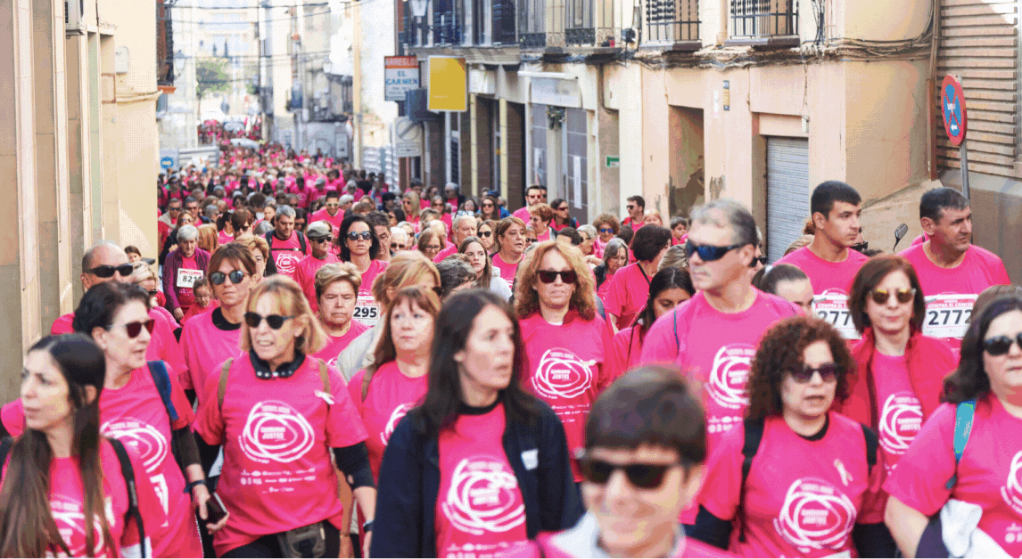
In the absence of races and solidarity events, a group of women with metastatic breast cancer has promoted a campaign through social networks to make their disease visible and raise funds. Behind this initiative, in Aragon, is the patient Dolores Lasaosa, a native of Biescas.
Since she was diagnosed with the disease, this Aragonese woman has found comfort - in addition to treatments - in other women who are going through the same thing.
"First there was a Facebook group where we were all, and one day it was thought to go further. A meeting was held and now we are all women who raise money for metastatic cancer research," explains this affected woman, who while waiting to be operated on At the Miguel Servet Hospital in Zaragoza, they continue to orchestrate initiatives to raise funds and publicize the motto that they all defend: 'More research for more life'.
Despite the diagnosis she received three and a half years ago, Dolores has not lost her will to live, and proudly boasts of an "optimistic" mentality that has helped her cope better with the disease. "When they tell you what you have, they give you five years to live. I have met a person who has had metastases for 11 years and I want to break the statistic, because I love life," she confesses on the other end of the phone.
"We need the disease to be diagnosed much sooner"
From this association, created by a group of women with metastatic breast cancer in 2018, they regret the lack of investment in Spain to be able to investigate this type of tumors with a poor prognosis, and ask for more resources to catch the disease in time.
"We want it to be treated like a normal disease, and for a person to leave an emergency with the diagnosis: that there are no intermediate steps that complicate everything, because what we need is for the disease to be caught much sooner. The faster it is better medicine, because this way we will consume fewer resources and we won't be so sick," adds Dolores.
Experts estimate that one in eight women will suffer from breast cancer throughout their lives, and at least two in ten affected patients could develop metastasis, a disease that needs more support to overcome that kind of 'taboo' that surrounds its cancer. name. "There are many people who have metastases and have never said it, because if you say it they know it is death. I tell my friends: but you don't see how I am! I look like a queen! Of course I have bad times, like everyone else... That's why what we want is to investigate and make cancer chronic, to have a pill like there is for cholesterol that will lengthen our lives and help us be better," defends this patient, who She will be operated on this Thursday.
Despite being a "painful" process, which in her case also requires long trips to receive specialized medical care, Dolores faces day-to-day life with optimism, because a lot has already happened. "Cancer is very capricious, but I think that if it touches you, you will have a better time if you are mentally prepared. I have gone to chemo and then I have been up until 3.00:XNUMX in the morning having dinner with friends. Psychologically you have to be prepared, because There are many negative things in life, but they can be converted," he says.
The video recorded at the Servet heliport
In addition to being committed to the association of women with metastatic breast cancer, Dolores is at the head of the 'Biescas es Vida' association, which actively collaborates with oncological research and allocates half of its proceeds to Aspanoa. Thanks to that collaboration, a few years ago Lola met the Aragonese researcher Alberto Jiménez Schuhmacher, who was the first in Aragon to join his group in the challenge of dancing to give visibility to these women.
"Alberto is a friend to everyone, and he also explains everything to you in a way that helps you better understand what cancer is. As soon as I told him the idea we had had, he told me that they were going to move him here, and that was it, because "He is very committed," Dolores emphasizes.