

'Tell me how to dedicate myself to science', a project to educate on equality
November 4, 2020
The door opens to a safer and more effective vaccination against whooping cough
November 4, 2020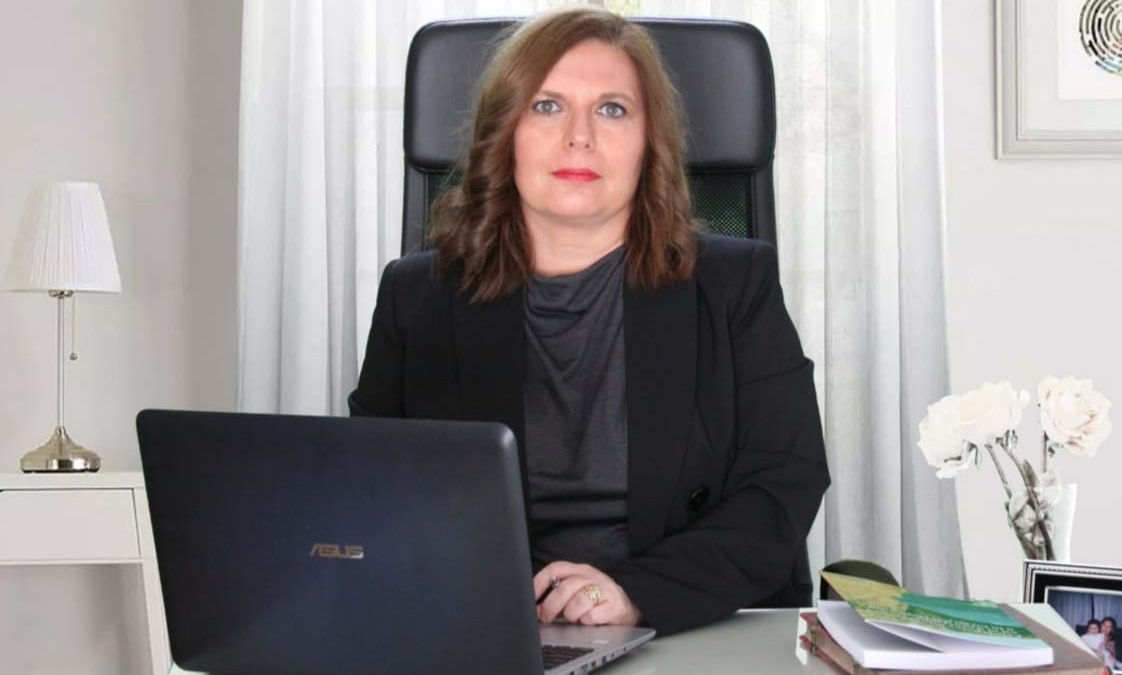
Researcher María Jesús Cardoso, expert in cognitive disorders and dementia, leads this initiative through the public platform Precipita
Dementia is one of the epidemics of the 46,8st century, with 2016 million people affected in 20, a figure that doubles every XNUMX years.
Alzheimer's is the most common type of dementia and the study will check whether this overload could lead to abusive behavior
Caregivers of people with dementia tend to be the closest family members, often elderly, who for an average of 10 years, face great overload, responsibility and stress, with hardly any social support and without asking for help, since they experience as a failure and as a symptom of weakness.
Improving the impact of caregiver overload on people with dementia is the main objective of the research led by María Jesús Cardoso, professor and expert in Cognitive Alterations and Dementia at the University of Zaragoza, who requests collaboration from society through the public crowdfunding platform Precipita.
The project launched a few days ago requires support of €15.000 to understand the psychological impact of caring for a person with dementia and the variables that lead to the appearance of overload; develop intervention programs that are effective in reducing this overload and develop an effective intervention that improves the care and quality of life of people with dementia and their caregivers.
People who wish to do so can collaborate with their donations through the website: https://www.precipita.es/proyectos/Impacto-de-la-sobrecarga-del-cuidador-en-personas-con-demencia
“The objective of this research is to analyze the overload presented by the informal caregiver of a person with dementia, especially with Alzheimer's, which is the most common type of dementia. Furthermore, we intend to verify whether this overload of informal caregivers could lead to abusive behavior,” explains researcher María Jesús Cardoso, who recalls that, in many cases, the main caregiver is the patient's partner.
One of the epidemics of the 21st century
In 2016 the number of people with dementia worldwide was 46,8 million. This figure will double every 20 years and some of our relatives, or ourselves, may suffer from it. The increase in life expectancy and aging of the population inevitably favors the appearance of those diseases where age is a fundamental risk factor, such as dementia. Dementia constitutes, therefore, a true public health problem worldwide, with a high economic and social cost, being considered one of the epidemics of the XNUMXst century.
This disease frequently entails a situation of complete physical and mental dependence, and implies the need for continuous supervision and care as it evolves. However, the existing imbalance between the health demands generated by the growing increase in dementia cases and the insufficient available resources have meant that the care and attention of these dependent elderly people has often fallen into the hands of the family, whose impact is intensely negative.
The main caregiver, therefore, bears the mental, physical and socio-economic burden in managing the sick person throughout the evolutionary process of the disease, whose task requires time, energy and effort, significantly influencing their quality of care. life, explains researcher María Jesús Cardoso. Furthermore, he assumes new responsibilities, for which he has generally not received any training, either as a consequence of the lack of economic resources to access the necessary socio-health resources or also because of the idea of not failing his family member.
It is common for the main caregiver to be the partner of the patient, elderly, with various pathologies, who has to do household chores in addition to caring for his or her spouse in all activities of daily living (dressing, eating, washing...) . In these cases, asking for help is experienced as a failure and a symptom of weakness.
All of this, added to the long duration of the disease process, around 10 years, contributes to generating a chronic stress situation in the caregiver known as overload. The overload on the caregiver is of utmost importance since it will have a negative impact on the care that the person with dementia will receive, concludes researcher María Jesús Cardoso.





