
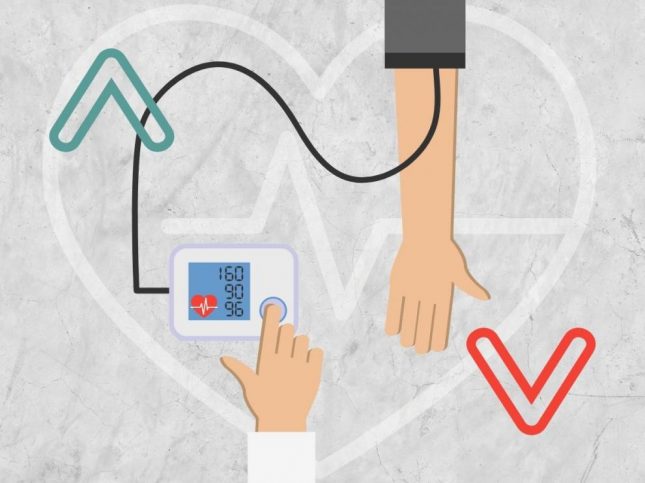
Symptoms that warn of high or low blood pressure
18 May 2022Research and Innovation actions supporting the global health EDCTP3 Joint Undertaking – Open calls
18 May 2022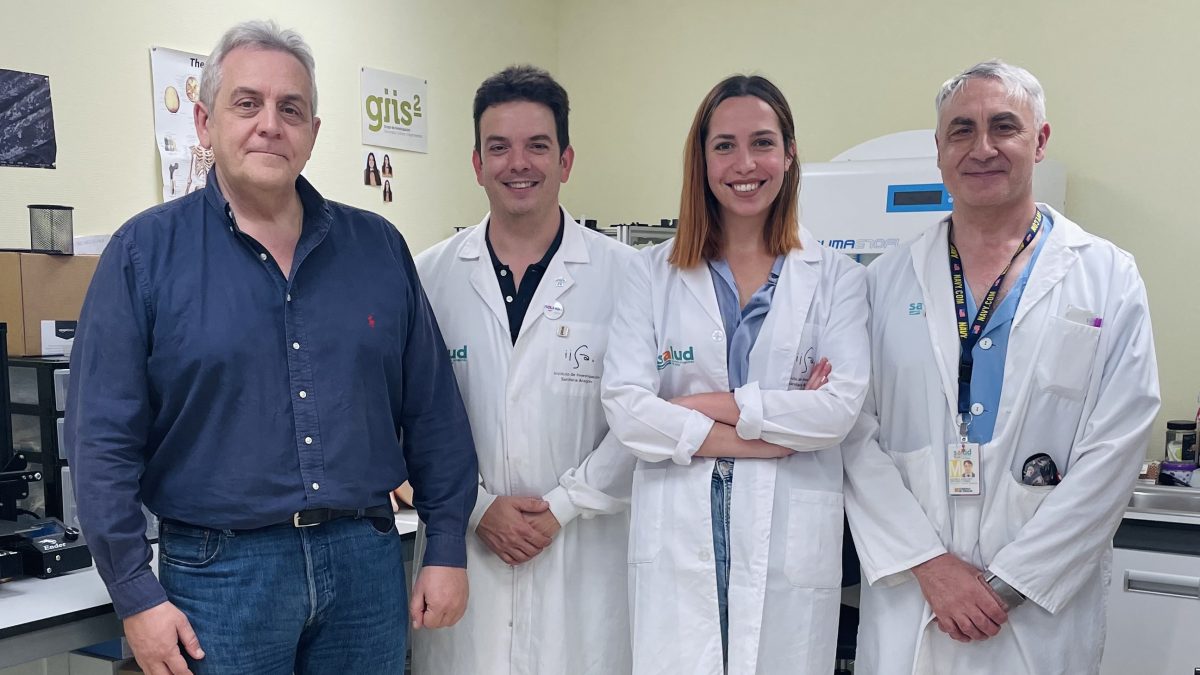
The team analyzed air and cough samples from 22 patients to conclude that not all of them expelled the virus continuously through breathing.
None of the positives studied had a viral load either in their cough or in the environment three days after the onset of symptoms.
Aerosol transmission has been recognized as a means of transmission of COVID-19 but, after two years of pandemic, the probability of infection is still unknown according to the different forms of exposure to the virus and, even, whether all carriers are equally contagious. . This is confirmed by a study carried out by researchers from the Aragón Health Research Institute (IIS Aragón), recently published in the journal Journal of Clinical Medicine and financed by solidarity donations from the 'Investigate COVID' campaign that the institute launched in 2020.
This multidisciplinary team from IIS Aragón analyzed the contagiousness of a cohort of 22 patients with the SARS-CoV-2 virus through ambient air samples from the patients' surroundings, as well as the presence of the virus in their own cough through detection of genetic material in the samples. Genetic material from the virus was found in only two of the 19 cough samples and only in one of the eight patients from ambient air samples, when until now it was believed that all infected patients expelled viruses continuously through breathing.
“This indicates that there is enormous heterogeneity among individuals. None of the patients studied had a viral load either in their cough or in the environment three days after the onset of symptoms, which could help define quarantine periods in those infected," says Marta Baselga, coordinator of the work in which Antonio Güemes, Alberto Jiménez Schuhmacher and Juan José Alba have also participated.
Studied parameters
One of the parameters studied was the so-called CT of the samples, that is, the amount of virus found in them, where a very high CT figure means low viral load. This degree of virus concentration has also not been able to correlate with the possibility of expelling viruses through the patients' respiratory tract and its consequent contagiousness.
"This observation is very important, since, in many cases, this parameter was used to classify a patient as potentially 'contagious', and it was even used to decide whether or not a patient who needs surgery and who needs surgery can be operated on." He is also infected with COVID-19. Currently, new technologies are being developed that allow detecting whether a patient is contagious by blowing through devices that allow the detection of the virus in the air, which could be a solution,” says Baselga.
The results of this work are in line with the hypotheses proposed by scientists about the existence of 'super spreaders', people who, for a reason that is not well known, are capable of infecting a large number of people with whom they may be in contact. . “In this way, part of the heterogeneity of the spread could be attributed to the oversized emission of a small percentage of infected individuals, that is, a few that are highly contagious,” concludes the researcher.
About the Aragón Health Research Institute (IIS Aragón)
The IIS Aragón is the Health Research Institute formed by the Lozano Blesa and Miguel Servet University Hospitals, Primary Health Care, the University of Zaragoza and the Aragonese Institute of Health Sciences.
The objectives of the IIS Aragón are to bring together basic and applied, clinical and health services research; create a quality research, care and teaching environment that integrates health professionals, training specialists and postgraduate and undergraduate students, as well as constitute the ideal place for attracting talent and the location of large scientific-technological facilities.





