
Half of Europeans between 18 and 24 years old do not exercise
August 26, 2020
Female chromosomes offer protection against Alzheimer's
August 27, 2020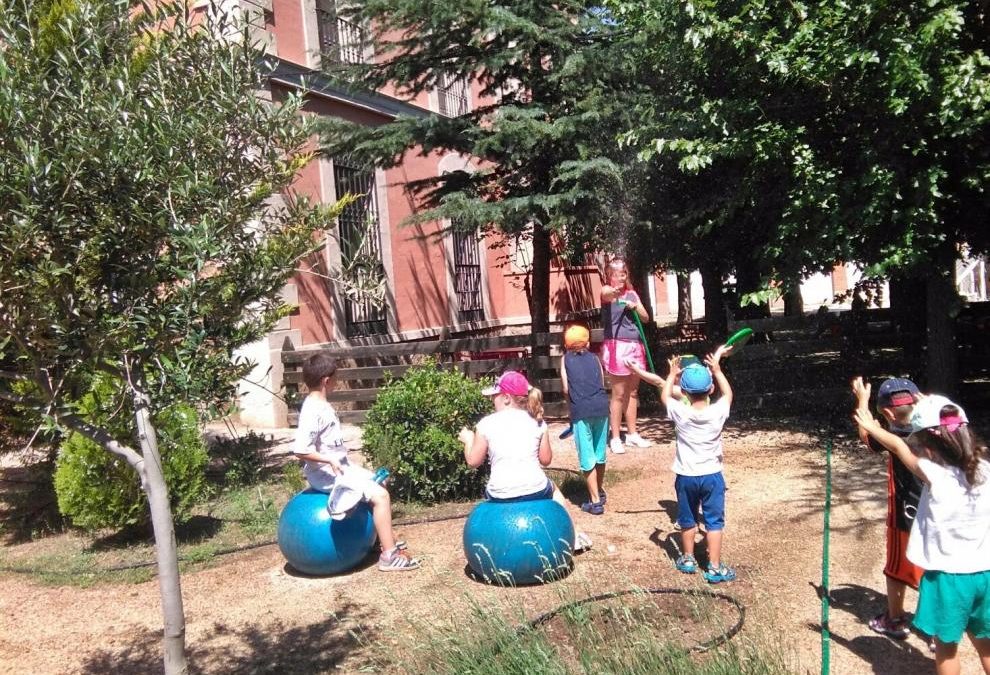
The authors of the study have indicated that the results of the study cannot be "directly extrapolated" to school environments because the activities of these camps were carried out mostly outdoors and in groups of less than ten children.
The infection rate of children in summer camps is much lower than the average, with a reproduction rate (Rt) of the virus of 0,3, while in the populations around these recreational centers the average is between 1,7 and 2.
This is clear from the 'Kids Corona' study at the Sant Joan de Déu Hospital in Barcelona, in which more than 1.900 people have participated, including children and summer camp instructors in the Barcelona area.
In the five weeks of the study, the researchers detected a total of 39 cases of newly emerging coronavirus, 30 of them in children and who had a total of 253 contacts, of which there was transmission in only twelve.
The authors of this study have indicated, however, that its results cannot be "directly extrapolated" to school environments because the activities of these camps were carried out mostly outdoors and in groups of less than ten children.
"Children have the capacity to become infected, now we have seen that they have the capacity to transmit, but if we do things with a series of strategies, the significance of opening schools may probably be little and we will be able to open them safely and with infection and transmission rates as low as possible," said Dr. Iolanda Jordan, one of the authors of the study.
Based on the data provided by the study, the authors have stated that it can be deduced that the R factor is "six times lower" in summer camps than that found in the general population.
The study also shows, according to its authors, that children under 12 years of age have the same capacity to transmit the disease as those between 13 and 17 years of age.
The monitoring of children has been done using saliva PCR tests, a choice that has been justified on the basis that it is less bothersome than the nasopharyngeal PCR tests that are usually performed, but equally reliable.
The study has also certified the validity of two of the prevention measures that they want to implement in schools for the start of the school year: bubble groups and hand washing.
The authors have pointed out that bubble groups "most likely" have led to such low transmission rates and that in those recreation centers where hand washing was frequent - more than five times a day - infection rates were "null" or the lowest recorded.
The Minister of Health, Alba Vergés, stated in the presentation of the study that it "can provide ideas for making rigorous decisions" for the start of the school year and the opening of schools.
However, the results of this study are still pending serological tests that have been carried out in connection with it and which could imply "some variation."
The study has been carried out, like all those promoted by the Kids Corona platform, with contributions from civil society, among which the 500.000 euros contributed by the Barça Foundation, the 200.000 from Banco Santander and the help of the Nou foundations stand out. Mil·lenni, Villa Reyes, Carmen and Maria José Godó, and the Colonial real estate company, among others.





