
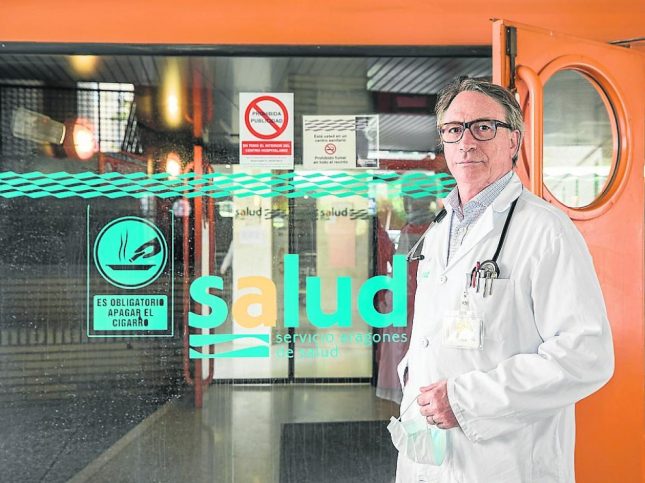
Carlos Colás: "I was infected, I have returned to work and I donate my plasma"
20 April 2020
"It seemed to me that this only happened in the Third World, not in the West."
24 April 2020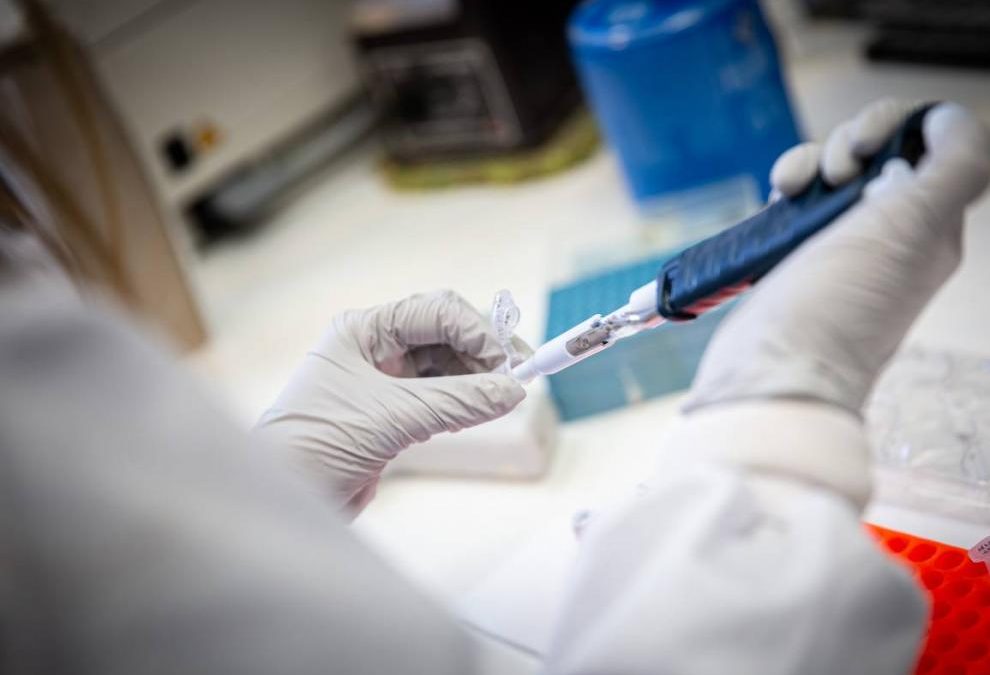
The researchers explain that they have developed a vaccine candidate that introduced neutralizing antibodies specific to SARS-CoV-2 in mice, rats and non-human primates.
Experimentation on animals is one of the fundamental phases of vaccine development and, now, a team of Chinese scientists has managed to protect a group of macaques, as well as rats and mice, from SARS-CoV-2 infection.
This pilot vaccine, with a chemically inactivated version of the virus that causes the Covid-19 disease, did not cause obvious side effects in the monkeys - of the Rhesus macaque species.
The results of this research are published in the repository of scientific articles bioRxiv, in which the texts have not yet been subjected to review by other experts.
The researchers explain that they have developed a vaccine candidate that introduced neutralizing antibodies specific to SARS-CoV-2 in mice, rats and non-human primates. These antibodies neutralized ten representative strains of the virus.
This, they argue, points to a possible broader virus neutralization capacity against strains circulating around the world.
Immunization with two different doses provided partial or complete protection to the macaques; The subsequent monitoring of clinical signs, hematological and biochemical index or histopathological analysis in animals suggests that it is safe.
Science magazine, in its news section, echoes this article and explains that the experiments were carried out with eight macaques, to whom they administered two different doses of the vaccine.
Three weeks later, the researchers introduced SARS-CoV-2 into the monkeys' lungs through tubes in their tracheas and none of them developed the infection.
The monkeys that received the highest dose of the vaccine had a better response: Seven days after the animals received the virus, the scientists could not detect it in the pharynx or lungs of any of them.
Some of the animals given the lower dose had a spike in viral load but were also able to control the infection.
However, the control animals - which were not administered the vaccine - developed high levels of viral RNA and severe pneumonia.
"The results give us a lot of confidence" that this vaccine candidate will work in humans, says Meng Weining of Sinovac Biotech and author of this article (human testing began on April 16).
Science collects the opinion on this article from Douglas Reed of the University of Pittsburgh (USA), which is also developing a vaccine: the number of animals is too small to produce statistically significant results.





