
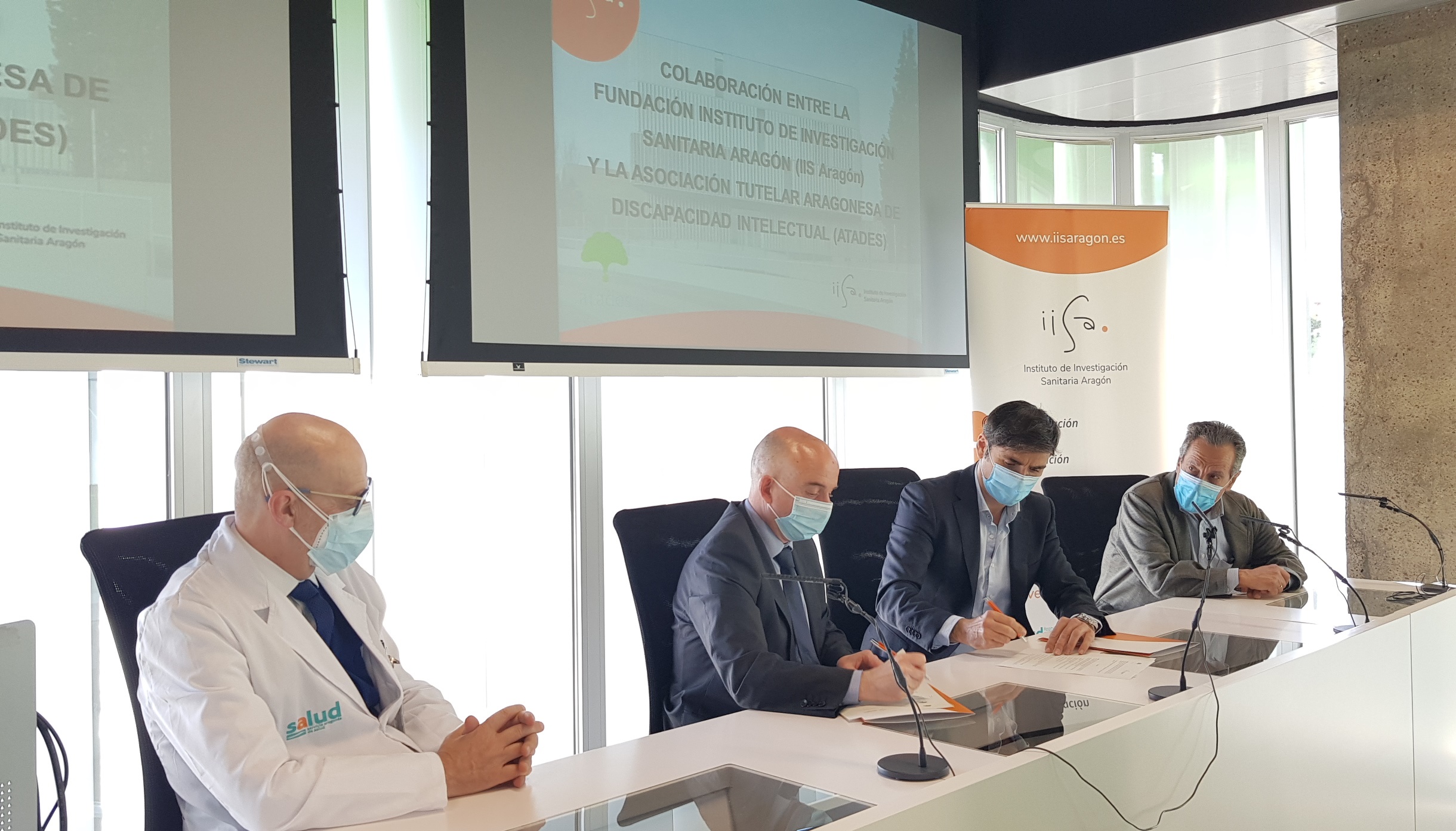
The Aragón Health Research Institute and ATADES will collaborate on projects on autism spectrum disorder
24 May 2021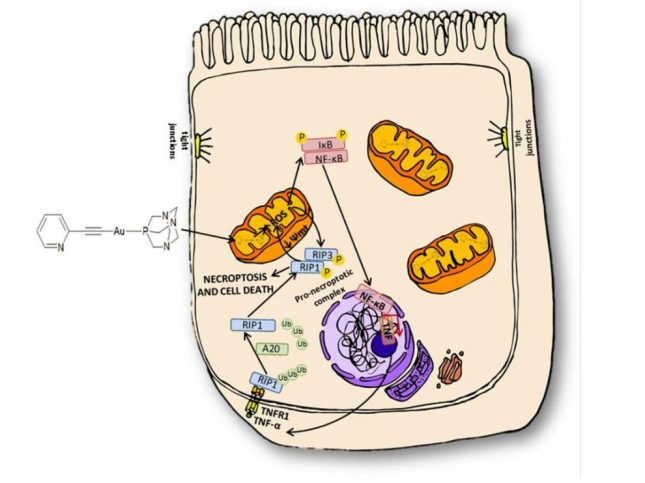
Gold drugs to attack cancer
24 May 2021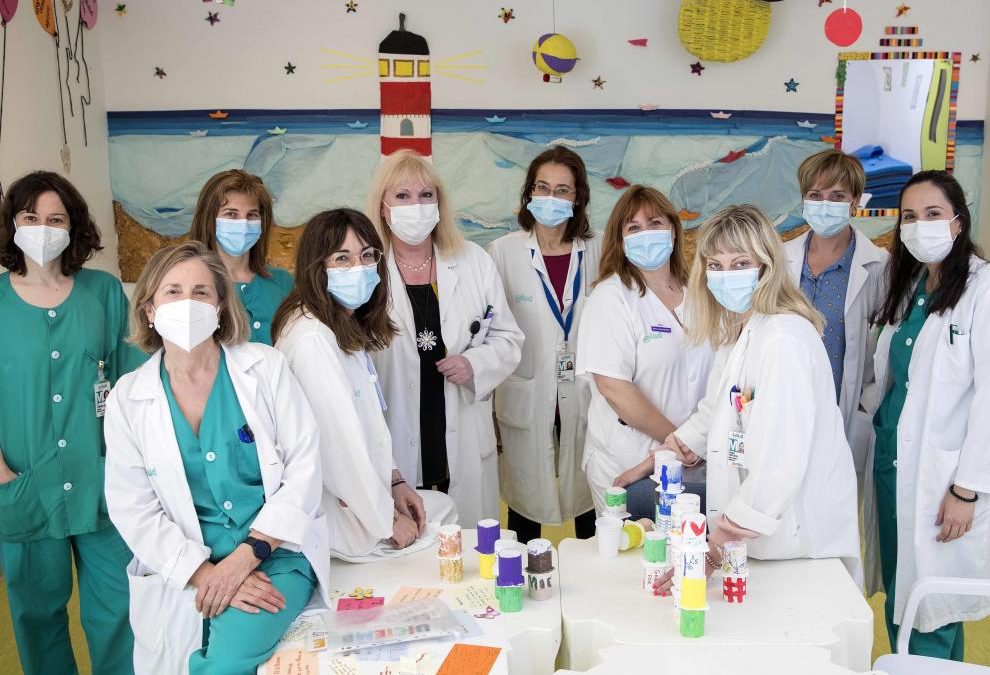
The Psychiatry service at the Miguel Servet hospital detects in coronavirus patients "a lot of fear, anguish, anxiety, restlessness and sometimes panic."
A person begins to notice symptoms compatible with covid. He tests positive, gets worse and has to be admitted to the hospital. His mind is filled with uncertainties, his head doesn't stop spinning. Will I improve? Will I end up in the ICU? Will I be discharged soon? I will die? The unknowns about the evolution of his physical condition represent a burden on his psychological state.. En el Michael Servetus hospital In Zaragoza, around 15% of those hospitalized with covid have had to be treated by the center's Psychosomatics and Liaison Psychiatry Unit.
The unit he directs began to work with the pandemic as soon as cases began to arrive, with two psychiatrists, two clinical psychologists, a mental health specialist nurse and the support of a social worker. The first moments were very complicated, because the patients arrived “very serious” and “all at the same time.” “We could do little direct action, so we focused on practical things to humanize assistance: contact their families, provide them with a cell phone, a television... We also worked with the families, who were in quarantine and extremely scared," he recalls.
He points out that among Covid patients they see “a very significant emotional discomfort, a lot of fear, insomnia, enormous uncertainty, anxious symptoms, restlessness, anguish and sometimes panic.” In severe cases, however, patients “focus on breathing,” so psychological problems are left aside.. These frequently emerge “in a second stage”, since “in health catastrophes the health symptoms worsen”. “Then all that internal tension comes out and after-effects appear. They cry, they can't sleep, they are distressed, they don't perform in their studies or at work...,” explains Dr. Pérez Echeverría.
For this reason, sooner or later there are many those admitted for covid who end up passing through the Servet Liaison Psychosomatics and Psychiatry Unit. They estimate that around 15% of the patients have required psychological attention, to which must be added the family members and health workers who have also required their services. The latter, points out the head of Psychiatry at the center, “they have been afraid,” they have experienced “tiredness and fatigue” and “they have attended alone the final moments of many patients.”
Dr. Pérez Echeverría, finally, also emphasizes that the general population also feels “a lot of pain” due to the pandemic, even “even if they have not experienced it firsthand,” which can lead to psychological problems. Furthermore, she points out that The quarantine has caused older people to be “scared, more clumsy and perplexed”, as if they had “lost the habit of having a more active confrontation with the world.” He also highlights the increase in consultations by children and adolescents, who have grown “more than average.”





