

The long-term benefits of olive oil, supported by research
11 January 2022
Exercise after Christmas excesses: "Exhaustion is not proportional to calorie burning"
11 January 2022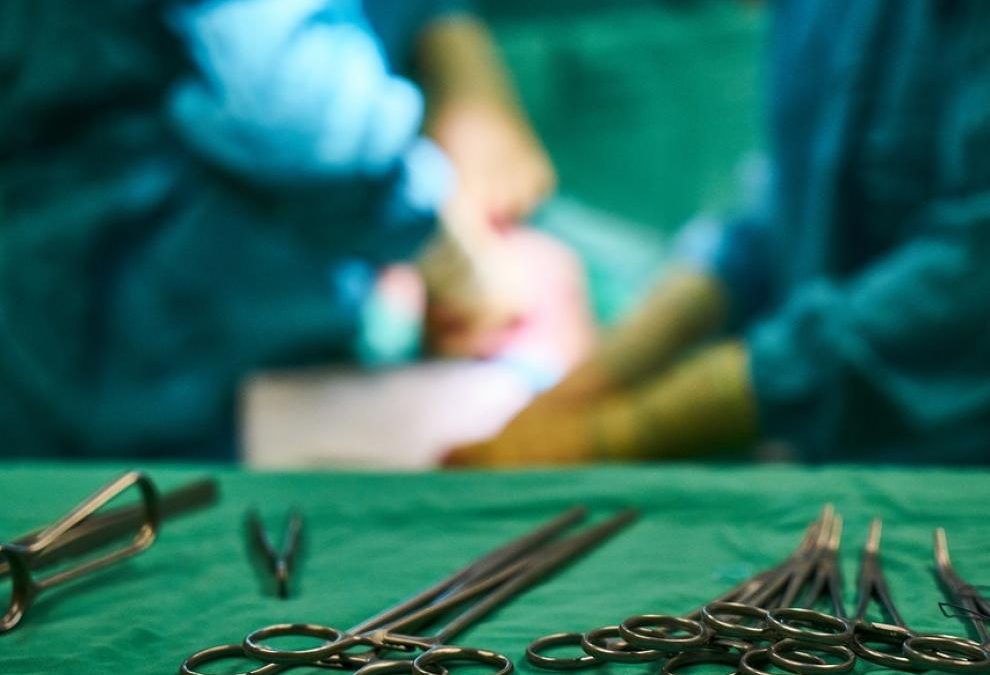
"This organ transplant demonstrated for the first time that a genetically modified animal heart can function like a human heart without immediate rejection by the body," detailed the University of Maryland School of Medicine.
The University of Maryland School of Medicine (United States) reported this Monday that he managed transplant a genetically modified pig heart to a 57-year-old man in a surgery he described as "historic."
"This organ transplant demonstrated for the first time that a genetically modified animal heart can function like a human heart." without immediate rejection by the body," the institution detailed in a statement.
The patient, David Bennet, 57 years old and resident of Maryland, underwent surgery three days ago at the Medical Center of said university after suffering an arrhythmia and He is under medical surveillance in good health.
According to the institution, the transplant of a pig heart "was the only option available for the patient", since several hospitals had ruled out the possibility of performing a conventional transplant.
"It was either die or do this transplant. I want to live. “I know it's a shot in the dark, but it's my last option,” said the patient, according to the statement from the University of Maryland.
The United States Food and Drug Administration authorized the operation on New Year's Eve for Bennet, who was bedridden for months and that he was informed of the risks of the operation, as it was still an experimental technique.
"It has been a revolutionary surgery and brings us one step closer to solving the organ shortage crisis. There are not enough human donor hearts available to meet the long list of potential recipients,” said Bartley Griffith, the doctor in charge of this surgical intervention.
About 110.000 Americans are currently waiting for an organ transplant, and more than 6.000 patients die each year before receiving one, according to official data cited by the university.
A hospital of New York last October he managed to temporarily transplant the kidney of a genetically modified pig into a human body, another success that, like the one known this Monday, can lead in the future to no longer needing the donation of organs from a deceased person to save someone else's life.





