
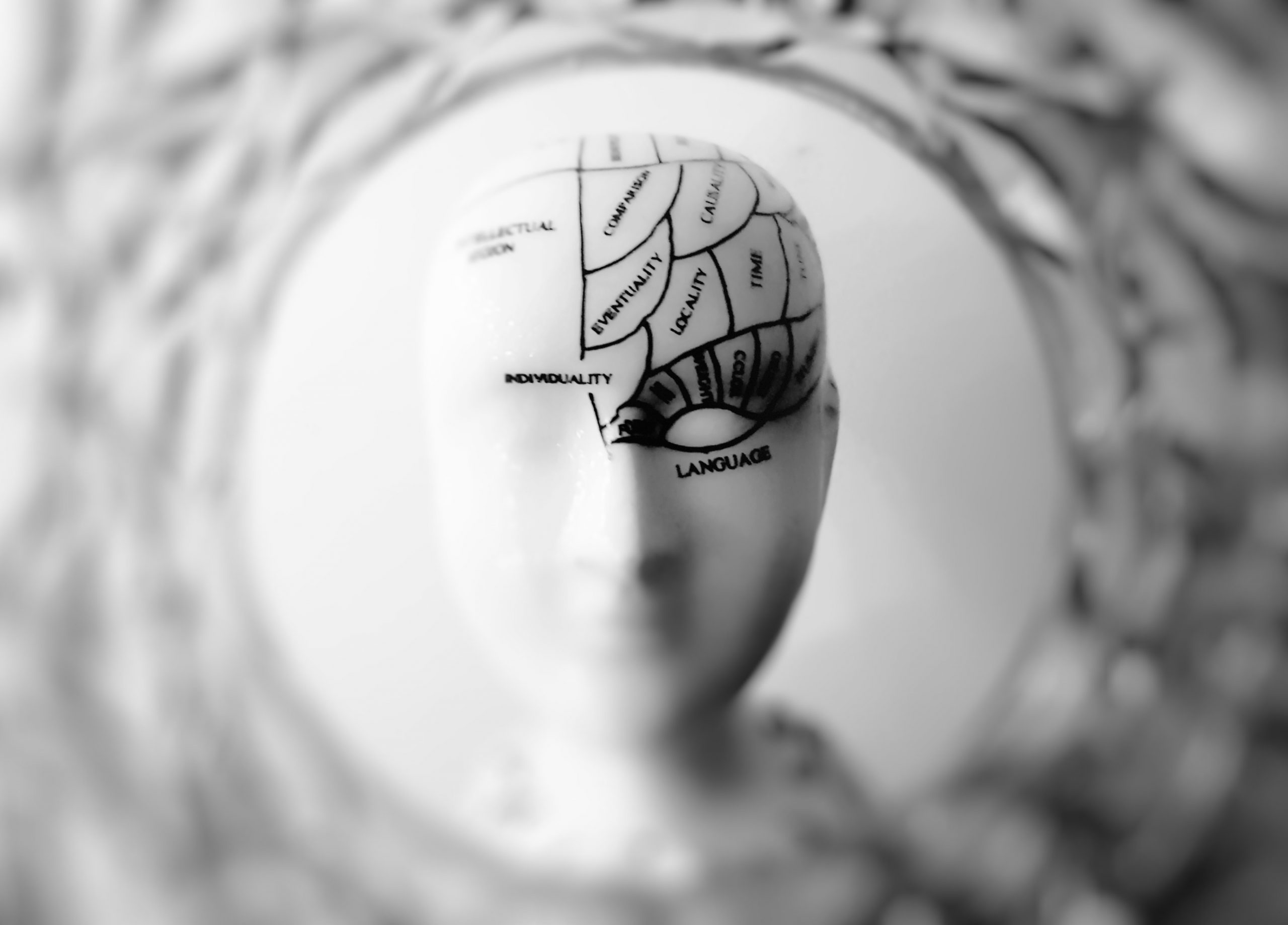
Neuroplasticity: the extraordinary power of our brain to transform and repair itself
20 January 2023
Sitting all day is bad for your health, but there is an alternative
20 January 2023
There is a widespread belief in our society: that people who follow vegetarian or vegan diets are especially susceptible to the deficiency of some nutrients because they do not consume foods of animal origin (vegan diet) or because they only include eggs and dairy products (vegetarian diet). Among these absent nutrients, those that tend to be of most concern are proteins, fatty acids, vitamin D, vitamin B12, iron and calcium.
What is true? Can following this type of diet really lead us to deficiency states? Or is it rather an excuse to discredit this type of diet?
More than enough proteins and fatty acids
In principle, reaching the minimum daily protein intake as a vegetarian or vegan does not have to be a problem. They are present in adequate quantities in many foods of plant origin such as legumes and nuts. In terms of quality, some foods of plant origin such as soy have good quality protein (high biological value). However, other legumes should be combined with cereals to get complete protein, although it does not have to be in the same meal. In addition, for vegetarians, dairy products and eggs also offer good sources of protein.
Secondly, fat intake is also sufficient if you consume nuts, seeds or oil, and even fruits such as avocado. What should be taken into account is that the proportion between omega-3 and omega-6 fatty acids should be balanced (not exceeding the amount of omega 6 to the detriment of omega 3) for the proper functioning of the body. To do this, it would be advisable to use olive oil instead of sunflower oil or other seeds since it has fewer omega 6 fatty acids, and eat nuts such as walnuts, and seeds such as flax or chia, which contain omega 3 fatty acids.
Vitamin D
As for vitamin D, although it is found in some foods of animal origin such as oily fish, it is synthesized mainly after exposing our body to sunlight. This implies that, in general terms, the concern about a deficiency of this vitamin among the vegetarian or vegan population would not have to be much greater than in omnivorous people.
The main cause of deficiencies is the current lifestyle, with abuse of the time we spend indoors. For example, working in an office involves little exposure to sunlight. Hence, it is recommended to ensure daily exposure to the sun, or failing that, if the weather does not allow it, to take a vitamin D supplement if health personnel so indicate after observing a deficiency state, especially in the months of winter.
The problem is vitamin B12
While supplementation with vitamin D in vegetarian or vegan populations is optional, there is a vital vitamin in both vegetarians and vegans: vitamin B12. It is found naturally exclusively in foods of animal origin such as fish, poultry or mammal meat, so both vegetarians and vegans need to take a supplement to avoid a deficiency.
Minerals: iron and calcium
Regarding minerals, iron is found in both foods of plant and animal origin in different forms, although it is true that iron from foods of animal origin is better absorbed. Therefore, a priori, one might think that people who follow a vegetarian or vegan diet might be more likely to have an iron deficiency. However, various studies indicate that the vegetarian/vegan population does not have a greater iron deficiency in the body than omnivores.
In any case, to improve the absorption of iron from foods of plant origin, it is recommended that these foods rich in iron, such as legumes, be eaten together with foods that contain components that increase its absorption, especially vitamin C, which is found in citrus fruits, kiwi, strawberries or red peppers, among other foods. It is also advisable to separate your intake from other foods that contain components that reduce absorption: phytic acid and phytates from whole grains, or polyphenols from tea and coffee, among others.
Finally, regarding calcium, no one questions that its contribution is sufficient in people who follow a vegetarian diet, thanks to the consumption of dairy products. However, if you do not eat dairy products or foods enriched or fortified with this mineral, it is important to eat foods of plant origin rich in calcium and in which this mineral is well absorbed, such as kale, broccoli, cauliflower, soy, beans or almonds.
In conclusion, vegetarians and vegans in general can acquire all the nutrients they need through a well-planned diet, except vitamin B12, which must be supplemented in both the vegetarian and vegan population.
Read the article on the original website, clicking on the button below this text.
Source: The Conversation. Authorship:
Saioa Gómez Zorita
Professor at the University of the Basque Country. Researcher in the Nutrition and Obesity group of the Networked Biomedical Research Center for the Physiopathology of Obesity and Nutrition (CiberObn) and the Bioaraba Health Research Institute, University of the Basque Country / Euskal Herriko Unibertsitatea
Iker Gomez Garcia
PhD student, University of the Basque Country / Euskal Herriko Unibertsitatea
Irene Besné Eseverri
PhD student, University of the Basque Country / Euskal Herriko Unibertsitatea
Ivan Gomez Lopez
Ph.D. Student at University of Basque Country (UPV/EHU) & Institute of Food Science Research (CIAL) (CSIC-UAM), University of the Basque Country / Euskal Herriko Unibertsitatea
Laura Isabel Arellano Garcia
PhD Student, University of the Basque Country / Euskal Herriko Unibertsitatea
Maitane González Arceo
Predoctoral student, Nutrition and Obesity Group, University of the Basque Country / Euskal Herriko Univertsitatea, University of the Basque Country / Euskal Herriko Unibertsitatea
Mary Puy Portillo
Professor of Nutrition. Network Biomedical Research Center for the Physiopathology of Obesity and Nutrition (CIBERobn), University of the Basque Country / Euskal Herriko Unibertsitatea
Featured Image: Source Pexels.com, Photo by BULBFISH





