

Investing in health, reinforcing biomedical research and strengthening health industries, keys to getting out of the crisis
23 February, 2021
One in five children in the EU say they are growing up unhappy and anxious about the future
24 February, 2021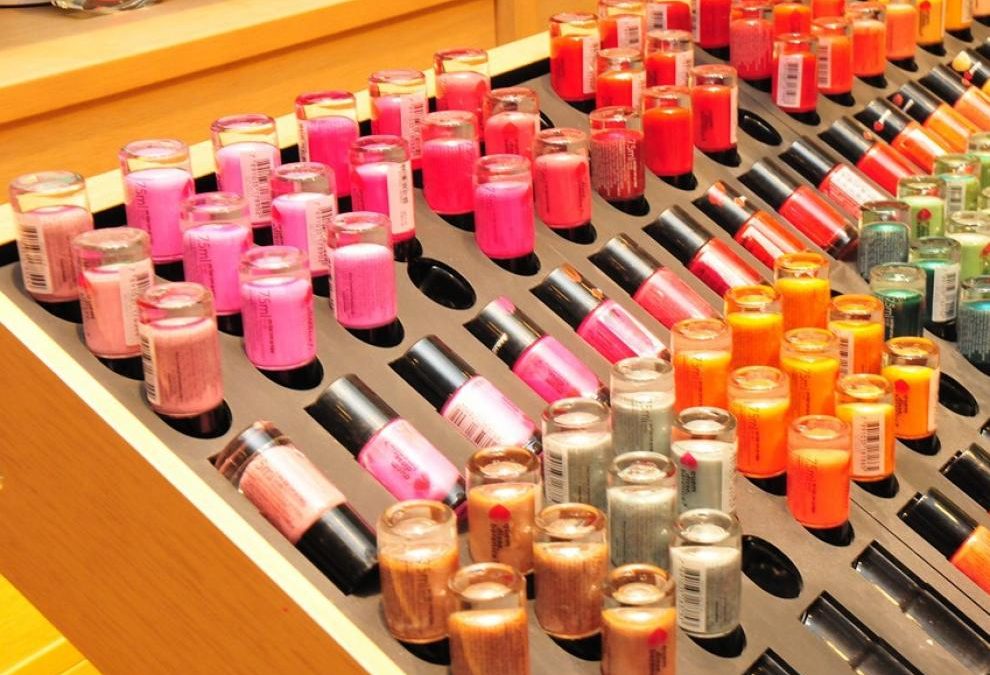
It is a very common gynecological disease and it is estimated that one in 10 women of reproductive age could suffer from it.
The use of some cosmetic and personal care products, such as face masks, lipsticks, face creams, nail polishes, dyes, creams, hairspray and mousse, could be related to a greater likelihood of developing endometriosis, due to the presence of chemical substances that are capable of imitating or blocking the action of hormones (known as endocrine disruptors).
This has been evidenced in a study carried out by researchers from the University of Granada and the San Cecilio Clinical University Hospital of Granada, published in the journal 'Environmental Research', and which is part of a research project called 'EndEA'.
Endometriosis is a very common gynecological disease, and it is estimated that one in 10 women of reproductive age could suffer from it. It is an abnormal growth of endometrial tissue (which in normal situations lines the interior of the uterus) in different regions of the abdomen and pelvis, causing a wide range of symptoms such as intense chronic pain in the pelvic region, intestinal problems and infertility, notably decreasing the quality of life of these women.
To this is added the difficulty to be diagnosed (surgical intervention is required to definitively confirm the disease), causing in many cases a significant delay in diagnosis (estimated at an average of 10 years from the onset of symptoms). In addition, the lack of a definitive treatment that cures this disease makes it a chronic disease and certainly disabling in some cases.
"Although the causes of its appearance are not exactly known, it is suspected that they may be diverse, including genetic, epigenetic and environmental causes, where hormones seem to play a key role," those responsible for this project have detailed, the gynecologist at the San Cecilio University Hospital in Granada, Olga Ocón, and the professor at the University of Granada, Francisco Artacho.
In this sense, the presence of chemical substances that are capable of imitating or blocking the action of hormones (known as endocrine disruptors), present in numerous products of daily consumption, could be contributing to the increase in diagnosed cases that are being detected in patients. In recent years, as has been shown for other pathologies such as breast cancer, obesity or diabetes.
These endocrine disruptors include parabens and benzophenones, widely used in the cosmetics and personal care products industry and which are part of the exposome, a name given to the set of non-genetic environmental factors that contribute to risk. to get sick.
For this reason, within the 'EndEA' research project, funded by the Carlos III Health Institute and the Antonio Chamorro-Alejandro Otero Research Chair, an attempt has been made to study the role that these endocrine disruptors can play in the development of endometriosis. .
Specifically, the researchers have quantified the internal levels of parabens and benzophenones in a total of 124 women (with and without endometriosis), from public hospitals in Granada, in addition to collecting detailed information on the use of cosmetics and personal care products. of every one of them.
The results obtained have shown a clear association between greater use of various types of cosmetics (masks, lipsticks, facial creams, pedicures, dyes, creams, hair spray and mousse) and higher internal levels of parabens and benzophenones. "In addition, we observed that the internal levels of some of these endocrine disruptors were related to the risk of suffering from endometriosis," said Ocón and Artacho.





