

The 'Move for organ donation' race once again unites sport and solidarity
18 May 2022
A study by the IIS Aragón supports that the spread of COVID-19 by aerosols is heterogeneous
18 May 2022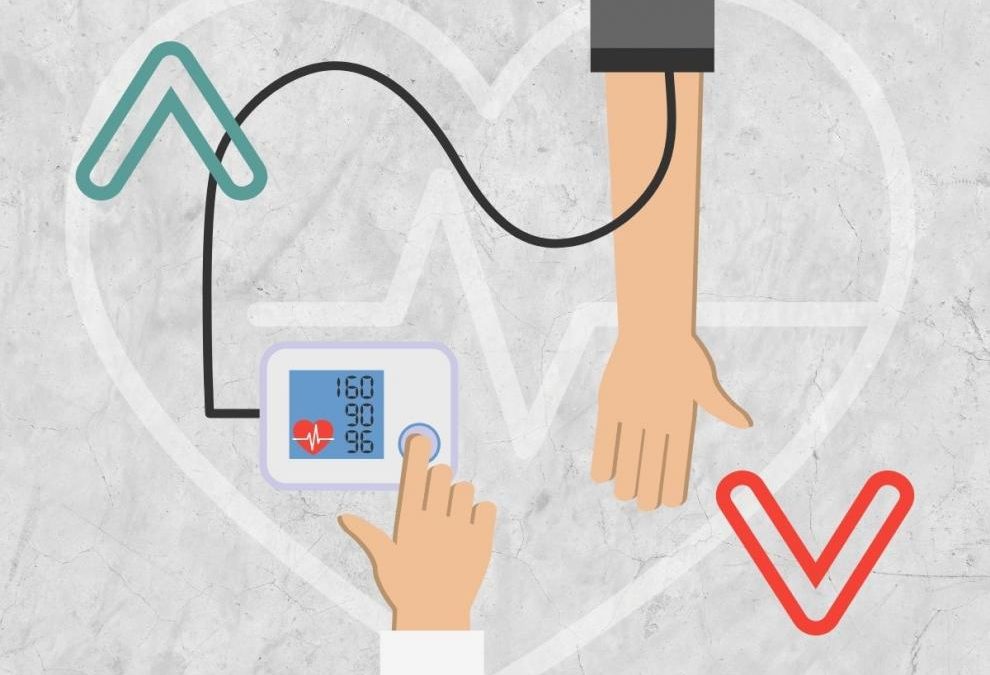
It is not always easy to recognize the sensations that lead to a possible alteration in blood pressure, whether high or low.
These are normal blood pressure values.
Having the High blood pressure is something that is part of the daily routine of millions of people., forced to follow a low-sodium diet or to correct the problem with pills. However, having it low is not recommended for health either, and can have undesirable consequences. The problem is that it is not always easy to recognize the symptoms of one situation or another.. The prestigious Mayo Clinic sheds light on the matter with a very complete analysis.
Symptoms of low blood pressure
An presión abnormally low blood pressure, also called hypotension, can cause dizziness and fainting. We can speak of hypotension with measurements less than 90 millimeters of mercury (mm Hg) for the upper number (systolic) or 60 mm Hg for the lower number (diastolic), which is a 9-6 in measurements. The most recognizable symptoms (and which may come from previous illnesses) are dizziness and fainting, blurred vision, nausea, fatigue and sudden lack of concentration.
High blood pressure and its symptoms
Blood pressure is determined by both the amount of blood the heart pumps and the degree of resistance to blood flow in the arteries. The more blood your heart pumps and the narrower your arteries, the higher your blood pressure will be. Hypertension is considered a measurement greater than 130/80 mm Hg, that is, the highest number at 13 or more and the lowest at 8 or more. The big problem with hypertension is that it usually does not have any symptoms; In certain cases there is a headache, a feeling of suffocation or nosebleeds, but they do not necessarily have to appear. The The solution, once a measure greater than that mentioned is given, is to continue monitoring it regularly.
The episodes of high hypertension can lead to severe or even fatal problems, such as a heart attack or stroke, the appearance of aneurysms, thickening of the heart walls due to overexertion, kidney and eye conditions, a metabolic syndrome that can end in diabetes, heart attack or stroke, and memory or comprehension problems.
Normal blood pressure values according to age
Depending on the age of each person, normal blood pressure may vary a little:
- Between 1 and 12 months: 60/90 mmHg
- Between 1 and 5 years: 65/95 mmHg
- Between 6 and 13 years: 70/105mmHg
- Between 14 and 19 years: 77/117 mmHg
- Between 20 and 60 years: 80/120 mmHg
- En 60 years in the Making: 90/140 mmHg





