

The WHO recognizes the need to accelerate new studies to find the origin of the coronavirus pandemic
August 26, 2021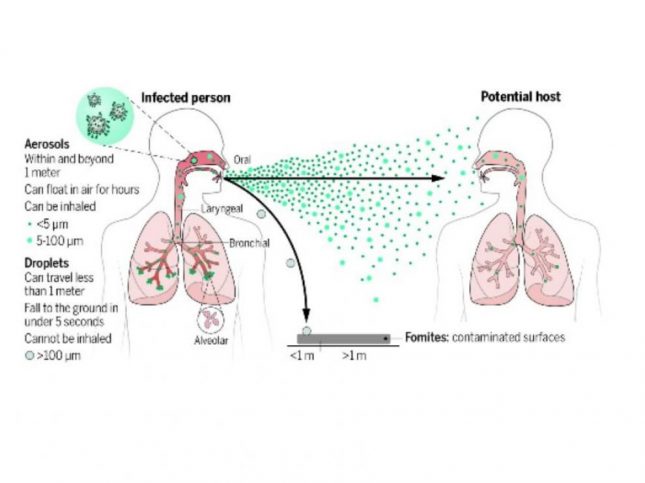
It's not just SARS-CoV-2: most respiratory viruses are spread by aerosols
August 27, 2021
A study suggests that it may be a sign of the immune system's "fight" against infection.
A pioneering study carried out in Valladolid confirms that headache is present in approximately one in four patients with covid-19 and suggests that it may be a sign of the immune system's "fight" against the infection.
Headache is one of the most common symptoms reported by COVID-19 patients. But this frequency, described in various investigations, varies between 10 and 75 percent depending on the study.
With the aim of specifying the prevalence, determining the characteristics of headache during infection and elucidating its causes, a team of researchers has carried out a pioneering study with almost 2.200 covid patients from the Valladolid East Health Area. Their results have been published in the journal 'Scientific Reports', from the Nature Group.
David García Azorín, a neurologist at the Valladolid University Clinical Hospital - a regional reference - who heads the research, recalls that neurological symptoms are the most frequent symptoms of Covid-19 after pulmonary symptoms and that headache, along with anosmia - the loss of smell and taste - is the most common. Furthermore, "when they occur they are usually one of the first symptoms of the disease, so considering them among the possible symptoms is essential," recalls the specialist.
However, the frequency recorded in the scientific literature is imprecise, with figures that vary greatly. "This may be related to the fact that the place in which the studies are carried out can influence the results. For example, if only patients who go to the emergency room or who need to be hospitalized are studied, it is expected that these will be patients in a more advanced state. Secondly, some studies only include patients evaluated by certain specialists, and therefore, the frequency of some symptoms may vary," says García Azorín, who is part of the Headache Unit directed by the neurologist and also a professor at the University. University of Valladolid (UVa) Ángel Luis Guerrero, co-author of the work.
Thus, one of the main contributions of this study is that each and every patient who has contracted the infection has been consecutively evaluated in a representative area with more than 260.000 inhabitants, without restrictions.
The team systematically reviewed all the patients who were being diagnosed, both in Primary Care and in Hospital Care and Emergencies. A physician contacted each patient and specifically asked about the presence of headache and, if present, evaluated its characteristics, with the goal of better understanding the frequency of headache during infection.
ONE IN EVERY FOUR PATIENTS PRESENTS A HEADACHE
Between March 8 and April 11, 2020, 2.194 cases of covid-19 were diagnosed among the 261.431 inhabitants of the Valladolid East Health Area. Headache was reported by 23 percent, about a quarter of them. Comparing the percentage of patients who needed to be hospitalized and the percentage who did not, the difference "was slight" in relation to the presence of this symptom, indicates the first author.
Furthermore, when comparing between sexes, the study has also observed that the headache in women is more intense and is more frequently accompanied by discomfort from light -photophobia-. Likewise, it is more common for women to have a medical history of headaches, which corresponds to what is observed in the general population.
"After analyzing it a lot, we cannot say that there is a specific or unique pattern of headache during coronavirus infection," says the neurologist, who explains, however, that the majority of patients describe "a headache predominantly frontal level, bilateral, with an oppressive quality of pain - like having a weight on top of the forehead -, of moderate to severe intensity and frequently accompanied by discomfort when faced with light or auditory stimuli.
The researcher highlights that the majority of patients usually have other symptoms of associated COVID infection, so "this pain should not be confused with other common pains, such as a migraine or a tension headache, since in 25-50 percent percent of patients, this pain has typical characteristics of these. Thus, "four out of five people present headache in the first four days of infection and in less than 20 percent it persists beyond two weeks," he adds.
On the other hand, they have observed that people who report headaches usually have a better prognosis, with a lower probability of dying as a result of the infection or developing a severe form, as they present analytical parameters and a more efficient immune response. "It seems that the headache is a sign that the immune system may be 'deploying' its defenses against the virus, with headache being a collateral symptom of this fight," emphasizes García Azorín.
To continue investigating the role of headache in Covid-19 infection, the team is recording the duration of headaches over time, trying to understand why some patients continue to have pain months after infection and study what they are. the best treatments available to improve your situation. In addition, they are carrying out another study funded by the Regional Health Management of Castilla y León in which they are analyzing whether there are changes in the brain of these patients that explain the non-disappearance of pain.





