
Award for technological innovation in the approach to patients with diabetes 2021
August 10, 2021
Shyness or lack of interaction, some reversible behaviors of children growing up in a pandemic
August 24, 2021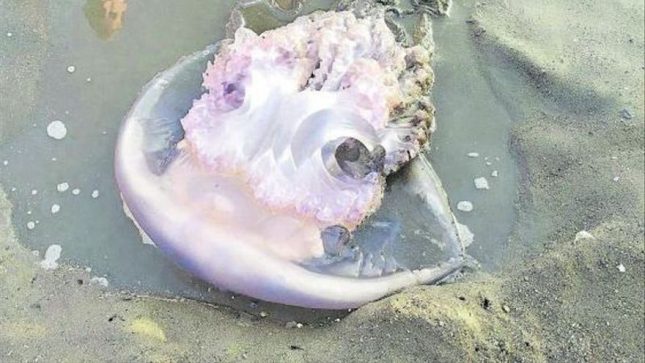
Pouring fresh water on the wound, covering it with sand or spraying it with urine are some of the popular remedies to alleviate the pain of the bite that experts advise against because they contribute to spreading the lesion and aggravating the skin rash.
The good weather and water temperature invite users to take a swim on the coast of Malaga, although they are not the only guests. Other visitors wait in silence, taking advantage of the sea currents and the slightest carelessness of users to leave their mark on them in the form of a bite: these are the Jellyfish.
Every summer this species is seen on the coasts of Malaga. The average influx of jellyfish has meant that the yellow flag has been the protagonist on the beaches of Malaga for several days this season. Climate change, the state of the water, the tropicalization of the Mediterranean Sea and other factors have resulted in the proliferation of this species on the Malaga coast.
You should always avoid swimming when the beach is infected of this species, but there are times when high temperatures take the user directly into the water. Although the bather observes the water and the presence of this species around him, there are times when he cannot escape from them and they end up biting.
Those who have been stung by a jellyfish know the pain firsthand: intense discomfort and itching in the wound area with hives on the skin. Generally this pain, which usually lasts between half an hour and an hour, heals progressively and without further complications, but if the discomfort persists, it is advisable to go to a medical center in order to avoid anaphylactic shock, a severe allergic reaction which, in this case, is caused by the toxic liquid of the jellyfish.
Therefore, La Opinión de Málaga, a newspaper belonging to the same communication group as this medium, offers a series of recommendations in the event of a jellyfish sting.
What to do if you are stung by a jellyfish?
After the bite, experts recommend going as soon as possible to an aid station or health center so that professionals can examine the wound. If after the bite a tentacle has become attached to the skin, it must be removed with tweezers or latex gloves, avoiding contact with the animal at all times.
Likewise, specialists advise apply some ointment with antihistamines and corticosteroids on the affected area to reduce inflammation, and also keep the wound isolated with sterile gauze for a couple of days.
What you should not do
Pouring fresh water on the wound, covering it with sand or spraying it with urine are some of the popular remedies to alleviate the pain of a jellyfish sting. However, Doctors and first responders advise against these practices, since they can contribute to spreading the poison and even aggravate the rash in the affected area of skin.
From the Aula del Mar Infomedusa mobile application they recommend Do not rub the injury with sand, towels, handkerchiefs, etc.; nor apply home remedies (such as vinegar, mud or similar).





