

More pollen allergies due to the drought? These are its symptoms (and this is how you can differentiate them from coronavirus)
2 March, 2022
Early menopause may increase risk of dementia later in life
2 March, 2022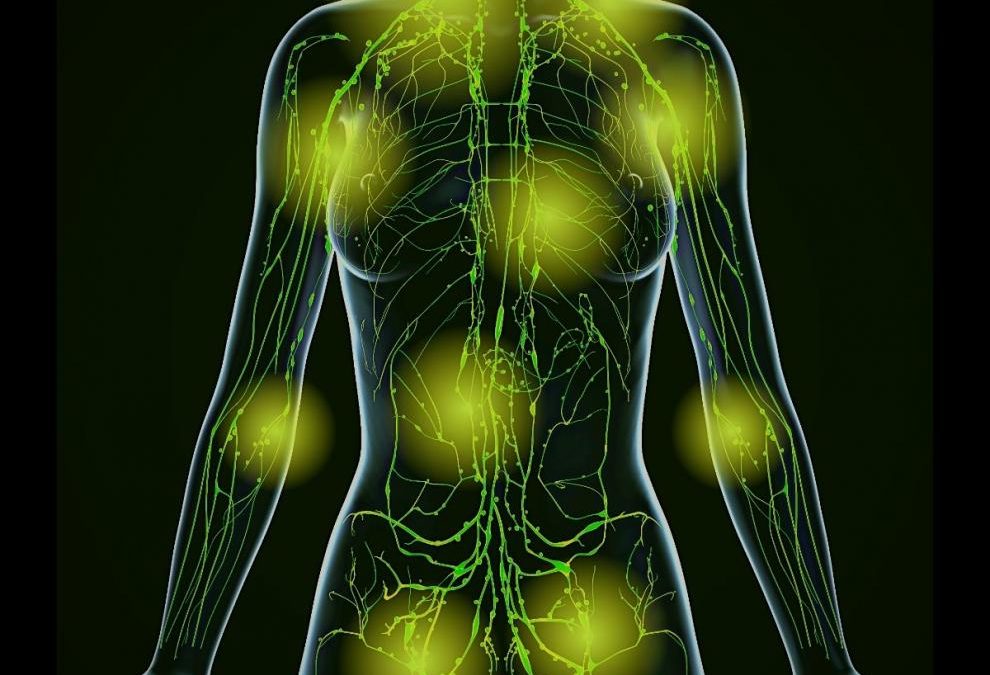
These annoying inflammations of the lymph nodes are combined with fever, headaches or myalgias in the cases reported in the latest AEMPS report.
Adenopathy is a disease in the lymph nodes. It is also called lymphadenopathy and is identified with an inflammation or increase in the size of these nodes. In the latest Pharmacovigilance Report of the Spanish Agency for Medicines and Health Products (AEMPS), which is now the thirteenth, the reported incidences of side effects of the mRNA-based booster vaccines, that is, Pfizer (Comirnaty) and Moderna (Spikevax); there appears in a prominent place the lymphadenopathy, which is revealed as the main effect in those who received Pfizer and the third among those who were vaccinated with Moderna.
The report indicates that until February 6, a total of 22.307.885 booster doses were administered in Spain, 44% of Comirnaty and 56% of Spikevax. The FEDRA database collected 785 reports of adverse events after administration of the third dose, 36% related to Pfizer and 64% to Moderna. A majority of cases were recorded in women, 69%, with the group between 18 and 65 years old being the most affected, with 85%. Less than half of the reports (302) resulted in severe conditions; Cases of fever and pain in the vaccination area, headaches, syncope, myalgias and arthralgias continue to appear, as in previous vaccinations.
Lymphadenopathy is no joke; The causes can be very diverse, and its evolution must be monitored by professionals to rule out major illnesses, although the majority of cases have to do with benign disorders or clinically evident local infections. They usually appear in areas with a greater concentration of lymph nodes, such as the occipital area and supraclavicular areas in the neck. They are also common in the armpits and English. The size, sensitivity and consistency of the nodes must be monitored, in addition to taking into account whether they move freely or are fixed to adjacent tissues.
Cases of lymphadenopathy in Pfizer: the most common effect
They have been identified 282 notifications in people who received a third dose with this vaccine. Even taking into account that the vaccine can generate more than one adverse effect per person, and that these are usually transitory problems of low and short incidence, The increase in lymphadenopathy with respect to the second doses is striking: 5.2% of these cases, compared to 0.4% of the previous one. These are figures that have already emerged in clinical trials, so they have not surprised specialists. They appeared in 62 of the 282 cases reported due to negative reactions, followed shortly by fever (58).
Lymphadenopathy is the third most common side effect in Moderna
Among those who received this vaccine as a third dose there have been 502 notifications in FEDRA, almost all of which correspond to conditions that appeared immediately after (normally, after the first 48 hours) of inoculation. The Fever ranks first in this table with 169 reports (34% of this group) followed by headaches (18% of cases) and lymphadenopathy -adenopathy- with 16%.
Source: Heraldo de Aragón





