
The 'broken biographies' of adolescents after the pandemic: self-harm, suffering, addictions and anxiety
October 25, 2021
The increase in electricity worsens the diet... unless you buy wisely and in a key of proximity
October 26, 2021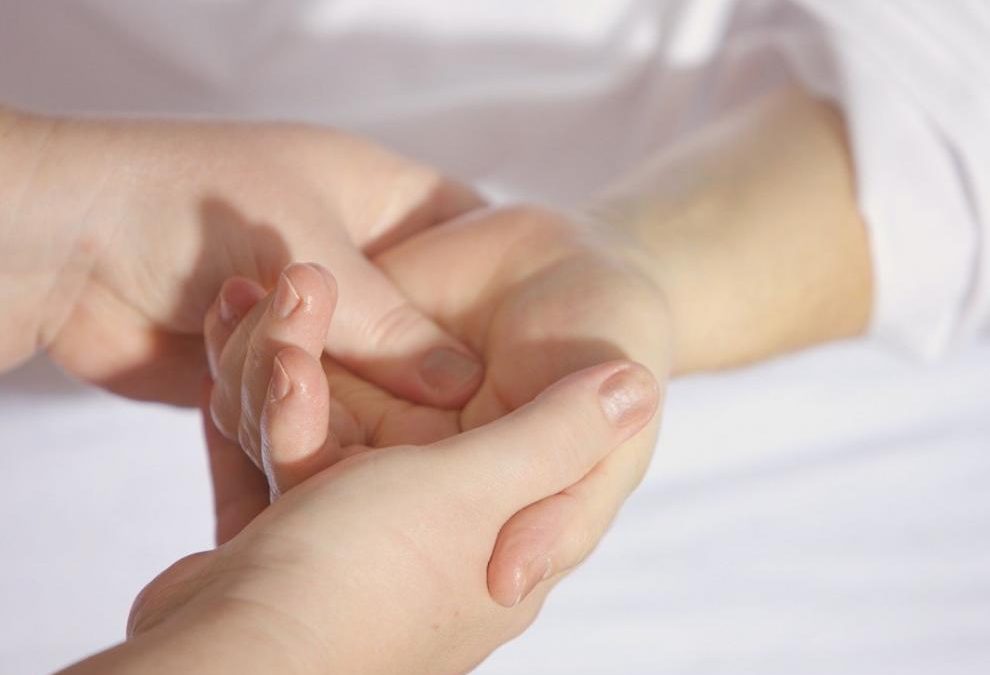
Its practice is aimed at reflex locomotion that activates the skeletal muscles. It can be done on both children and adults.
With the aim that a patient with alterations in the central nervous system and the musculoskeletal system can once again achieve the development of motor patterns, The Vojta method rises as an outstanding therapy in different specialties such as pediatrics, neurology or traumatology. This method, promoted by the Czech doctor Václav Vojta, bases its science on repeated motor reactions; that is, patterns of reflex locomotion in different parts of the body, mostly the trunk and extremities.
The therapy is carried out through selective pressure of certain areas with the patient in a prone position (lying on the abdomen), supine (lying on his back) or lateral (lying on his side). With this activation, carried out by a therapist, in both children and adults, It causes two movements automatically:
- The crawling reflects: drag type movement
- The reflex flip: process that leads to quadrupedal walking
This locomotion reflects activates all skeletal muscles in a coordinated manner. Through this, the Vojta method aims to open access to three key phases of human movement: the control of posture when performing a movement, straightening against gravity and the purposeful movement of grasping and moving the limbs. . These are the shortlist of great objectives of the popular therapy.
Vojta therapy is implemented in numerous public and private hospitals and specialized centers, forming part of the vast majority of the physiotherapy degree curriculum in Spanish universities. It is applicable to both children and adults, although it can also be used for activate motor skills in infants. A state of activation that the baby usually expresses through crying. With the passage of time, once the adaptation process has passed, the infant becomes accustomed to the activation and his expression in the form of crying ceases.





