

This is how the studies of Miguel de Servet of Zaragoza on chemo in colon cancer patients progress
1 April 2022
A group of researchers generates the first complete sequence without gaps of a human genome
1 April 2022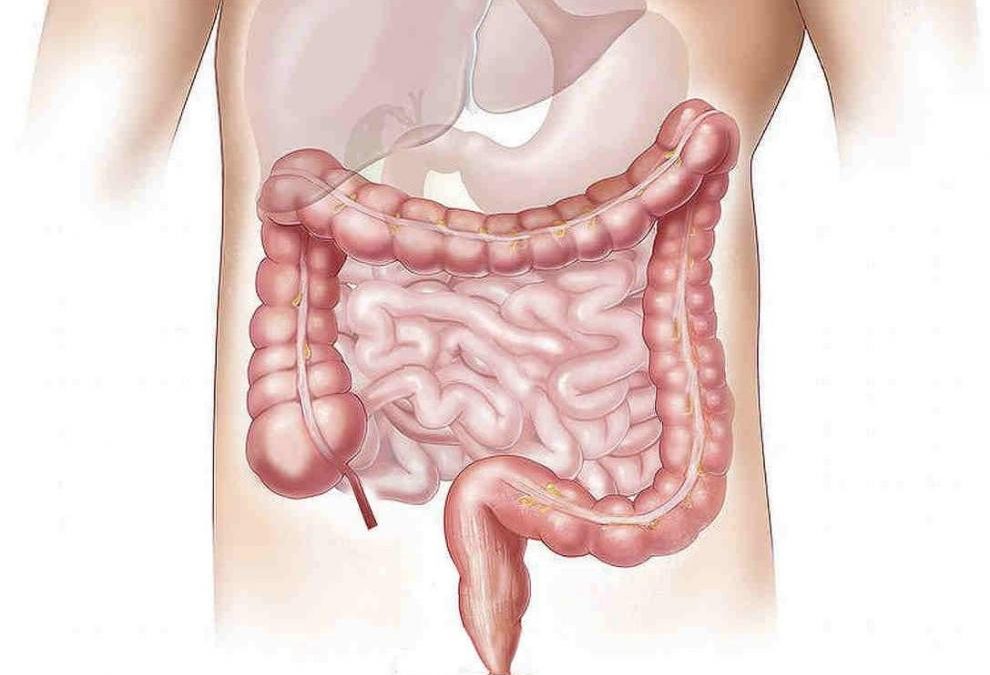
This March 31, World Colon Cancer Day is celebrated, a day to raise awareness among the entire population about the needs of all patients diagnosed with this disease.
This Thursday, March 31, the World Day Against Colon Cancer, a very special day focused on raising awareness among the entire population about the needs that all patients have who are diagnosed with this disease. A day to highlight the importance of carrying out tests to establish a diagnosis and, if cancer is confirmed, monitoring the disease.
What is colon cancer?
The colon, also called the large intestine, is a long, hollow tube found at the end of the digestive system, where feces are produced and stored. There are many disorders that can affect your ability to function properly. Among them, the colorectal cancer, colon polyps (tissue growth in the colon that can become cancerous), Ulcerative colitis (ulcers in the colon and rectum), diverticulitis (inflammation or infection of small sacs or diverticula in the colon) or colon syndrome irritable colon (a condition that causes abdominal cramps and other symptoms). The treatment of colon diseases varies widely depending on the disease and its severity.
This type of cancer begins in the large intestine and usually affects adults over 50 years of age, although it can occur at any age. Most patients with colon cancer are diagnosed between 65 and 75 years in both men and women. Cases in which they appear at younger ages are usually due to a genetic predisposition. For this reason, people with first-degree relatives (parents, children, siblings) with polyps or colorectal cancer are more likely to develop it. People who have previously suffered from another tumor or have chronic colon diseases, such as ulcerative colitis and ulcerative colitis, are also more predisposed. Crohn's disease, or diseases in which multiple polyps develop in the colon.
Spain has some 5-year survival rates of 64%, above the average of European countries, which stands at 57%. There is a hopeful reality, because This type of cancer can be cured in 90% of cases if it is diagnosed in the early stages of the disease., so prevention is the most powerful weapon to fight against this disease.
Colon cancer symptoms
It is important to get screened because it is very possible that there will be no symptoms at first. Everyone over 50 years old should get an exam. Symptoms of colon cancer include:
- Diarrhea or constipation
- Feeling that your intestine does not empty completely
- Blood in the stool (either very red and bright or very dark)
- Thinner than normal stools
- Frequent gas pains or cramps, or a feeling of fullness or bloating
- Weight loss for no known reason
- Fatigue
- Nausea or vomiting
How to prevent colon cancer
It usually starts as small, noncancerous (benign) clumps of cells called polyps that form inside the colon. Over time, some of these polyps can develop into colon cancer.
Polyps can be small and generate few symptoms and due to their small size they are generally completely asymptomatic. For this reason, Doctors recommend regular screening to help prevent colon cancer by identifying and removing polyps before they turn into cancer. When the size of the polyps is larger, they may suffer erosion on their surface, leading to the appearance of blood with stools or anemia due to very small blood losses that could be detected with a stool test. In rare cases they can lead to large intestine obstructions if they develop a large size.
To prevent it, it is also important to healthy living habits. Eat a diet that is usually low in fat, low in red meat, highly cooked or in direct contact with fire, and low in processed meat. The most convenient are the diets very rich in fiber, fruits, legumes, vegetables, doing frequent physical exercise, avoiding obesity, moderate alcohol consumption and not smoking.
Colon cancer treatments
There are many treatments available to help control it: surgery, radiotherapy and drug treatments, such as chemotherapy, targeted therapy and immunotherapy. The prognosis and treatment options depend on the following factors:
- The stage of the cancer (whether the cancer is only in the inner lining of the colon, has spread through the wall of the colon, or has spread to lymph nodes or other parts of the body).
- If the cancer blocked or caused a hole in the colon.
- Whether any cancer cells remained after surgery.
- If the cancer recurred.
- The general health of the patient.
- The prognosis also depends on the blood concentrations of carcinoembryonic antigen (CEA) before starting treatment. ACE is a substance in the blood that sometimes increases in concentration when cancer is present.
Colon cancer treatment options
Hay different types of treatment available for patients with this type of ailment. Some treatments are standard (currently used treatment) and others are being tested in clinical trials. Seven types of standard treatment are used:
- Surgery: Removal in surgery is the most common treatment for all stages of colon cancer. A doctor can remove the cancer with a local excision, colon resection with anastomosis, or colon resection with colostomy. After the doctor removes the tumor visible at the time of surgery, some patients may receive chemotherapy or radiation therapy to destroy any cancer cells that remain. Treatment given after surgery to decrease the risk of the cancer coming back is called adjuvant therapy.
- radiofrequency ablation: the use of a special probe with small electrodes that destroy cancer cells. Sometimes the probe is inserted directly through the skin and only local anesthesia is needed. In other cases, the tube is inserted through an incision in the abdomen.
- Cryosurgery: treatment that uses an instrument to freeze and destroy abnormal tissue. This type of treatment is also called cryotherapy.
- Chemotherapy: treatment in which drugs are used to stop the formation of cancer cells, either by killing them or stopping them from dividing. When chemotherapy is taken by mouth or injected into a vein or muscle, the drugs enter the bloodstream and can reach cancer cells throughout the body (systemic chemotherapy). When chemotherapy is placed directly into the cerebrospinal fluid, an organ, or a body cavity, such as the abdomen, the drugs primarily affect cancer cells in those areas (regional chemotherapy). The way chemotherapy is given depends on the type and stage.
- Radiotherapy: A treatment that uses high-energy x-rays or other types of radiation to kill cancer cells or stop them from growing. There are two types of radiotherapy. The way radiation therapy is given depends on the type and stage of cancer being treated.
- Targeted therapy- Medicines or other substances are used to identify and attack specific cancer cells. Targeted therapies generally cause less damage to normal cells than chemotherapy or radiation therapy.
- Immunotherapy: In this case, the patient's immune system is used to fight the cancer. Substances made by the body or in the laboratory are used to boost, direct or restore the body's natural defenses. This treatment is a type of biological therapy.
Source: Heraldo de Aragón





