
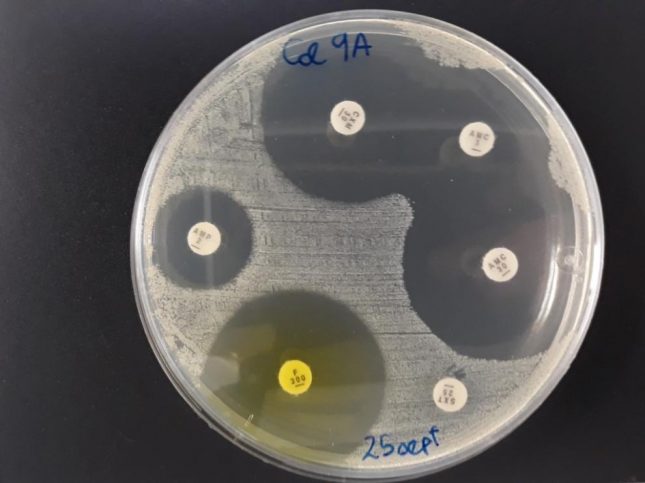
Bacterial resistance to antibiotics, the silent epidemic
1 February, 2022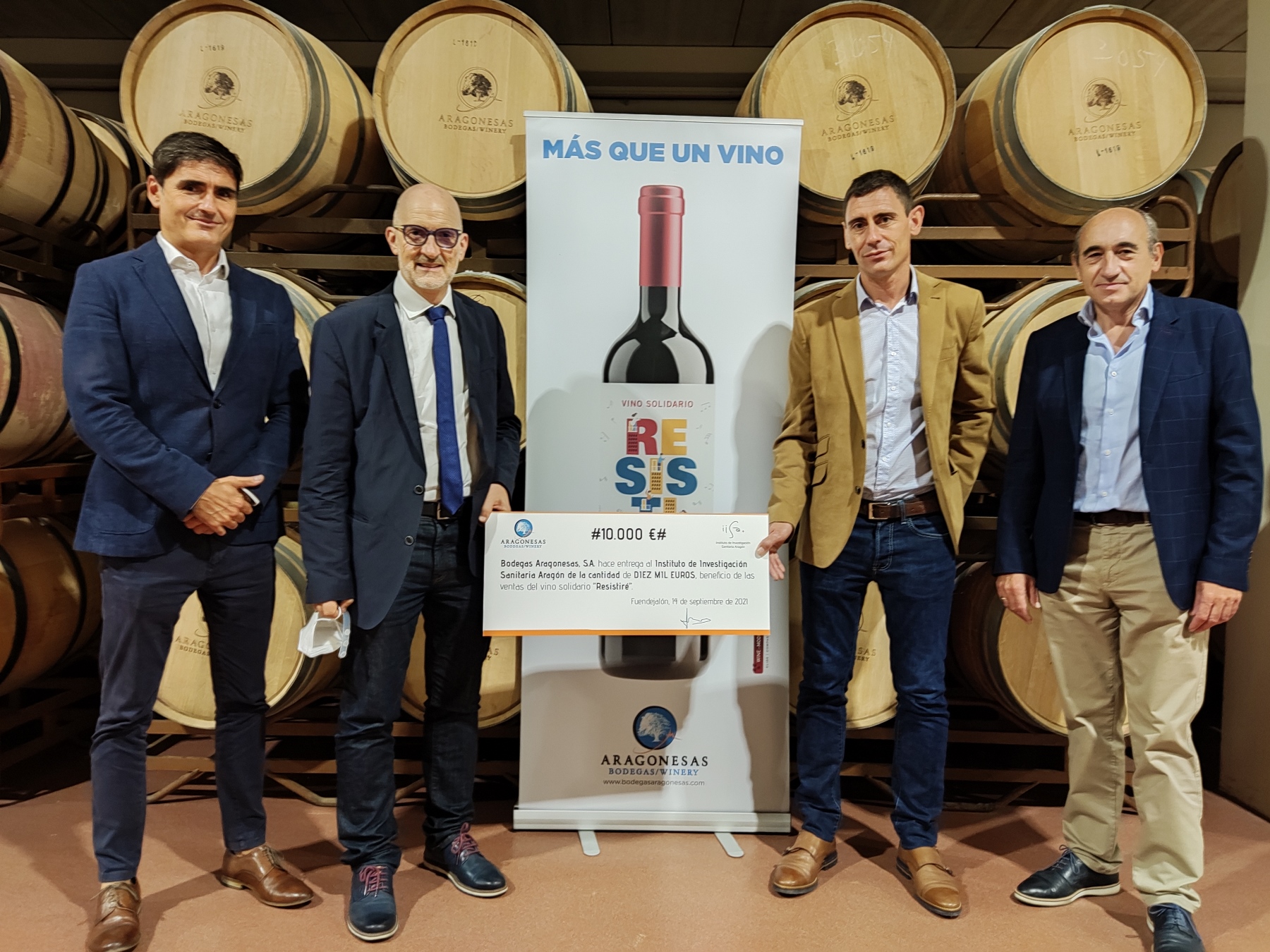
BODEGAS ARAGONESAS COLLABORATES WITH US
3 February, 2022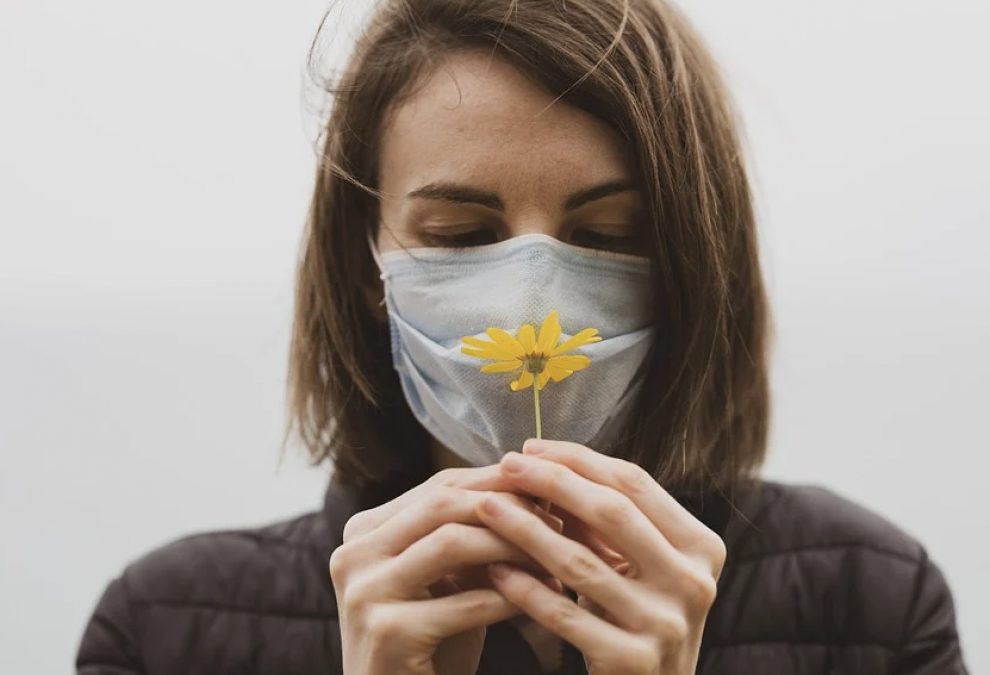
This is one of the strangest side effects of covid, a smell disorder that produces a distortion in the normal perception of odors, to the point of not being able to tolerate them because they are unpleasant. Several Aragonese who suffer from it tell their experience.
Can you imagine waking up one morning and finding what has always smelled good to you disgusting? Or be a coffee person who, suddenly, can't stand this drink? Or that your favorite perfume makes you nauseous? These are just some of the situations that some of the people who participated in this report have faced. Is called parosmia and it is one of the strangest effects of covid, a smell disorder that produces a distortion in the normal perception of odors, to the point of not being able to tolerate them because they are unpleasant.
In the case of Carmen (28) and Rebeca (24) Gil, sisters and neighbors of the Zaragoza neighborhood of La Almozara. It all started in November 2020, when they were affected by coronavirus. “First she got infected and, a week later, I did. Rebeca was asymptomatic and I had it like a bad flu. Parosmia appeared three months later", says Carmen, who acknowledges that it took them weeks to identify the cause and put it together due to the lack of knowledge about this rare side effect of covid-19.
“When I cook, or when something goes bad, I need to ask someone because I am not able to detect these smells by myself.”
For example, it happened to us with coffee, but My sister thought it was the fault of the university coffee makers, and I thought it was because something was happening at home.", Explain. Nothing is further from reality. By talking about it among themselves they discovered what they came to call 'covid smell', a kind of putrid stench which the woman from Zaragoza describes as “that of a rancid, rotten sardine, something that smelled really bad”; she acknowledges. A smell that accompanied them for more than seven months and that, even today, they do not know if it was the same for both of them. “It's hard to describe something like that. It happened to me with chicken, coffee, sweat or freshly cut fruits and vegetables,” she says.
“It is the same unpleasant stench for almost everything, although its intensity varies. Gasoline, tobacco or coffee smell terrible to me and beer also tastes bad to me."
Little by little he realized that it happened to him with all types of meat and fish and, above all, with processed foods.. “It is the same unpleasant stench for almost everything, although its intensity varies. Gasoline, tobacco or coffee smell terrible to me and beer also tastes bad to me. Everything that comes from the sea tastes to me like incense while “Most meats have a rancid flavor that is difficult to explain.”, admits.
Silvia Civil (36) was a victim of the Delta variant, at the beginning of July, something that did not prevent her from suffering from this disorder. “It was after getting vaccinated, in September, when everything reactivated. It lasted a little over a month,” she explains. In her case, she especially liked perfumes: “One day I asked my boyfriend what cologne he had worn, he told me the usual one. In the end I had to ask him to stop using it.”. Sure, he could ask that from trusted people, but not from his appointments or work meetings. “I had a very bad time because it even made me retch. It was complicated to manage on a day-to-day basis,” he admits.
A 'long covid' or persistent side effect
As Covadonga Gómez Díaz, assistant doctor specializing in otorhinolaryngology in the Miguel Servet University Hospital from Saragossa, Parosmia is a disorder of smell that produces a distortion in the normal perception of odors, to the point of not being able to tolerate them because they are unpleasant. Thus, as the people interviewed have described, normal smells such as coffee or food, They begin to smell bad, for example, rotten: "Although it is still not known exactly how olfactory dysfunction occurs, it is believed that it is due to permanent and long-lasting damage to the olfactory epithelium that causes a distortion in the perception of odors."
The most frequent alteration of smell in relation to Covid-19 infection is anosmia, that is, the total loss of smell; or hyposmia, or decreased sense of smell"
Something that can be accompanied by a ddecreased appetite, as well as smell, a phenomenon known as hyposmia. “Although it is not the only cause, it is generally caused by a upper respiratory tract infection, with damage to the olfactory epithelium, which is located in the upper part of both nostrils. There is an erroneous chemical interpretation of odorants and this information is transmitted through the olfactory pathways and the brain interprets it as unpleasant,” explains the doctor.
Furthermore, Gómez Díaz assures that there are no facilitating factors when developing this disorder. "In fact, The most frequent alteration of smell in relation to Covid-19 infection is anosmia, that is, the total loss of smell; or hyposmia, or decreased sense of smell, with a global prevalence of 47,85%,” adds the doctor. Of course, the majority of patients have a complete resolution of the olfactory symptoms a few days after their onset, with an average duration of olfactory dysfunction of 9 days: “There is a significant percentage of patients who present persistence of olfactory dysfunction 4-12 weeks from the onset of symptoms. This is what we call persistent covid-19, post-covid syndrome or long covid.”
“If the cause is a viral infection, as is the case with covid-19, there may be a recovery in a few months helped by olfactory rehabilitation”
Olfactory rehabilitation
As the doctor explains, everything indicates that it is not a permanent condition and that the body itself can repair the cellular damage of the olfactory epithelium over time. However, as we have seen, Recovery times vary depending on the etiological cause. “If the cause is a viral infection, as is the case with Covid-19, there may be a recovery in a few months helped by olfactory rehabilitation,” adds Díaz.
Regarding the rehabilitation techniques applied today, the doctor explains that it is still necessary to deepen this research, however, in a analysis of 13 studies, with a total of 1.000 patients surveyed, it has been found thatOlfactory rehabilitation has a positive and statistically significant effect on the improvement of olfactory dysfunction.
In addition, improvement was also found in all olfactory skills, in the identification and discrimination of odors and in the olfactory threshold. “It consists of carrying out two daily exposure exercises to four odorants - fruity, minty, aromatic and floral - for a period of between 6-12 months. It has a high recommendation in post-viral olfactory dysfunction,” concludes the specialist.
Source: Heraldo de Aragón





