Mammograms May Provide Clues to Cardiovascular Disease Risk
16 March, 2022
The Spanish biopharmaceutical company Biofabri and the Indian Bharat Biotech sign an agreement to develop, manufacture and distribute the tuberculosis vaccine, MTBVAC
17 March, 2022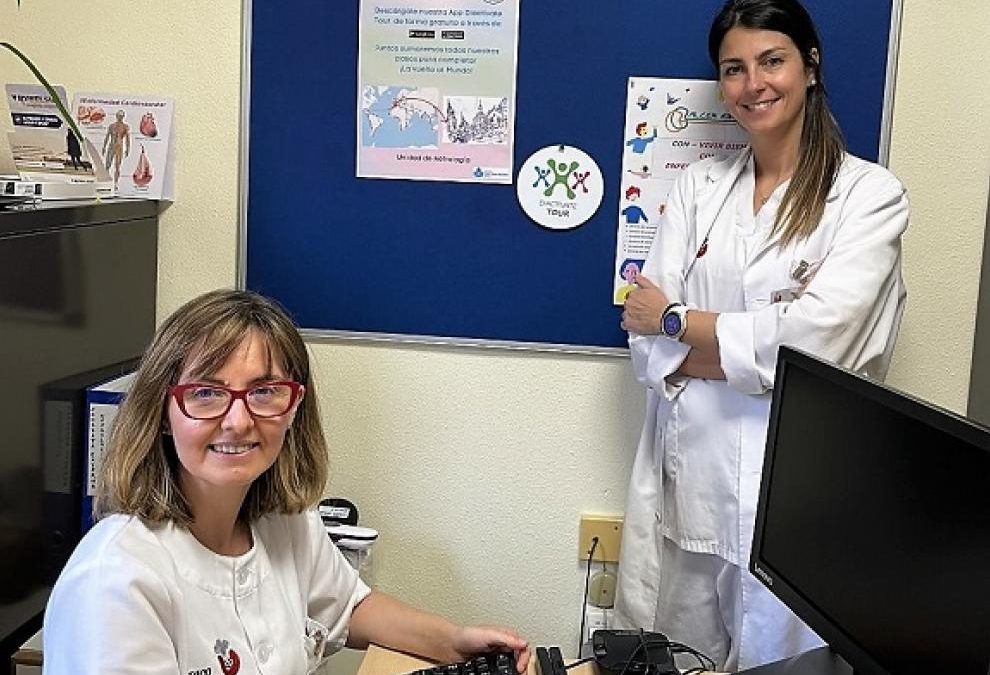
'Diactívate Tour' is an application from the San Juan de Dios Hospital that aims to encourage exercise among patients receiving hemodialysis, but is useful for the general population.
Since 2013, the Nephrology Unit of the St John of God Hospital It was applied to physical exercise among patients undergoing hemodialysis, in a bid aimed at preventing and/or minimizing functional loss. This week, the team has gone one step further with the launch of the new physical exercise computer application “Diactívate Tour. A trip around the world for kidney disease.
The goal is to raise awareness among the general population, encourage patients and their families and, ultimately, raise awareness of the beneficial effects of physical exercise on health. especially in circumstances of severe illness. The 'app' evokes the spirit of Phileas Fogg and Passepartout, with nuances; There is a bet, but it is for health, and a cruising speed is not required to complete the challenge in 80 days, nor in 800; Each one is regulated according to their physical and clinical capabilities, under the supervision of medical staff.
The app is free and downloadable on any mobile phone. Mercedes García Mena, head of the Nephrology Unit at the San Juan de Dios Hospital, recalls that “in 2013 we implemented the Diactívate program in the hemodialysis unit, focused on exercise for patients undergoing hemodialysis; We currently have a population of elderly patients and we understood that keeping them active was key, also in that contingency. The pandemic arrived and the program had to be stopped; Hospital volunteers, who come to exercise with patients, are essential for its implementation.
The head of the Unit believes that the objective of the initiative is multiple. “In addition to regulating and promoting exercise for patients, it serves to make kidney disease visible and the importance of physical activity in chronic patients. Until now we had tried other things, from step counters to initiatives regulated by exercise time, but the 'app' encompasses and improves all of that. Four Computer Engineering students from the University of Zaragoza have taken all our requests and suggestions to technology in an original and effective way; In addition, the volunteers of the 'De Vueltas al Cuaderno' association have contributed their pictorial talent to recreate the different cities of the trip.”
Generational technological barriers
The Nephrology Unit team is aware that not all seniors perform perfectly with mobile applications. “We are just starting with this, but we are aware of this issue. Volunteers will enter the dialysis room to assist with unloading; In addition, in the application there is an area reserved for the patient so that we can follow up and know how they are coping with their challenges, whatever they may be. Despite their seniority, more and more people are using technology, They download their 'apps'... for example, many have their recipes in the Health app. We must also take into account that the potential users of the 'app' include their relatives, hospital staff, ourselves and our families, and hopefully yours. This is for everyone, healthy and sick, it is about preventing and making visible a disease that is less known than others.”
Marta Luzón is the nephrologist who started Diactívate almost a decade ago. “Personally I like sport, and I believe in its benefits. The profile of the dialysis patient has been changing; 30 years ago there were mostly young patients and someone over 70 years old was rare, but that average age has risen a lot. The number of young people with advanced kidney failure is smaller; now almost everyone is over 75 years old here; "Needs change and it is key to react in time."
Luzón qualifies these motivations. “Someone who loses their functional capacity must be treated with the same intensity as someone with hypertension. I saw that there were physical exercise programs for dialysis in Australia, Canada... we tried here and the results came right away; I want to point out that these exercises are not rehabilitation or physiotherapy, professionals in those fields already do that very well. The app, however, has been designed in collaboration with physiotherapists to influence specific benefits.”
The Nephrology Unit of the San Juan de Dios Hospital in Zaragoza has five hemodialysis rooms and 44 positions; There are three shifts a day, with an average of 130 patients in treatment. The exercise in the hemodialysis room, who wants to recover as soon as possible, is very eye-catching. “Aerobic exercises are done with pedals anchored to platforms that fit into the beds in which we dialyze. We also tried strength exercises using one kilo anklets and elastic bands; Now we want to introduce some balls into our routines to promote leg strength. Patients may have a fistula, which makes it difficult to exercise their arms in the sessions, but those who have catheters also try arm work using dumbbells and ribbons.”