
Organ donation: family is more important than legislating consent
20 January 2023
Do vegetarian and vegan diets have deficiencies?
20 January 2023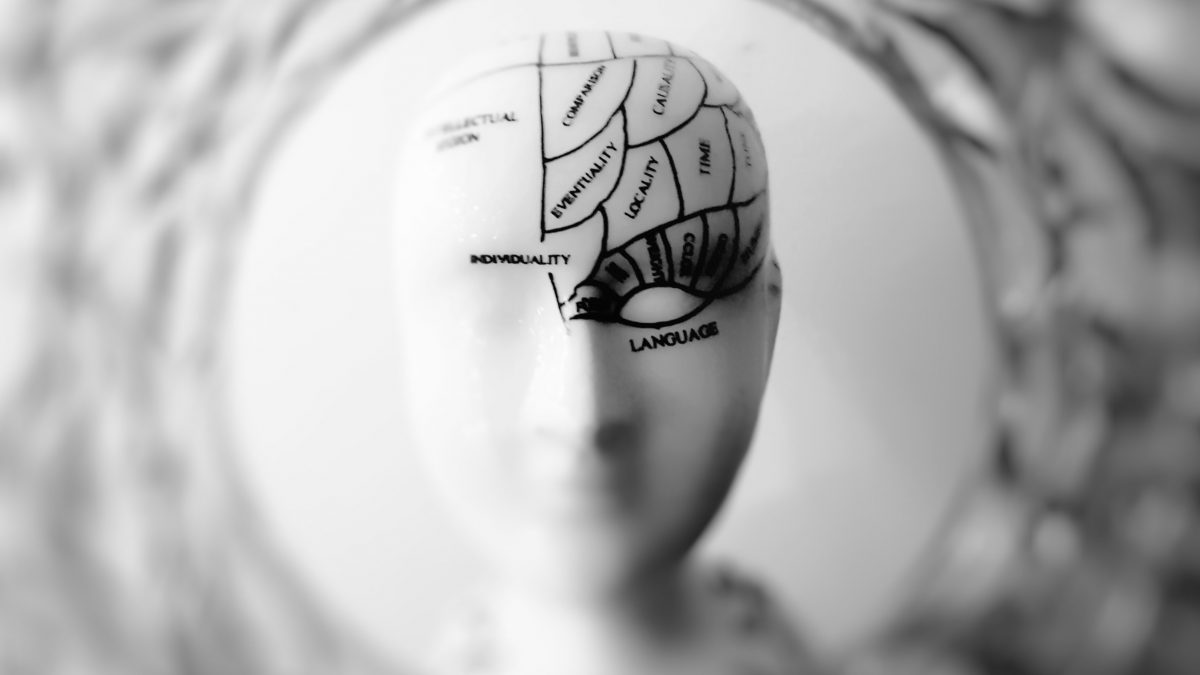
Maybe you've never heard of neuroplasticity and it may seem like a complex concept at first glance, but read on: it's the key to our development and the changes we experience from birth.
We call neuroplasticity the extraordinary capacity of our thinking organ to transform and reconfigure functionally and physically its structure in response to environmental stimuli, behavioral experiences or cognitive demands. In short, to the situations we live in.
This is possible mainly thanks to the creation and control of the number of neurons, the migration of these nerve cells and the formation of new connections.
Faced with the ravages of a cardiovascular accident
To understand this better, let's think about a person who has suffered a brain injury. It can be the result of a tumor, a head injury or, most commonly, a cerebrovascular accident (stroke). The latter occurs when an artery that supplies our brain breaks and the blood takes up space that does not belong to it (hemorrhagic stroke). Or when an artery becomes clogged and blood flow cannot reach the areas of the brain for which it is intended.
Strokes cause serious consequences in the brain and in the lives of those who suffer them. It can compromise activities such as walking, moving an arm, talking, remembering what we did yesterday or putting ourselves in someone else's shoes. In short, everything we do every day thanks to the correct functioning of this exciting organ.
At that moment, the brain undergoes a sudden change and the affected areas stop functioning as they did previously. How can we try to get the patient back to walking, talking, or managing her mood? Thanks to the fact that the brain, just as it is suddenly affected and modified, is also capable of readjusting and changing in a guided way and with effort.
In search of the lost language
Recent studies have shown the effect of neuroplasticity in patients who had communication problems (aphasia) after suffering a brain injury. For the vast majority of people, the language faculty is located in the left hemisphere: important regions of that half of the brain must function correctly for us to understand and produce words.
When this mechanism is interrupted by a stroke, we must appeal to neuroplasticity if we want to recover what was lost. Thus, it has been discovered that intensive language therapy is capable of recovering the functioning of damaged left hemisphere regions and their connections. It can even cause changes in structures of the right hemisphere, further aiding recovery.
Power of music
If the above is already interesting, another recent study has been able to observe the changes that music therapy produces in patients who have suffered a traumatic brain injury. In his case, the injury had altered executive functions. These higher cognitive skills allow us to achieve goals, adapt to novel situations or manage social interactions, among other daily tasks. They include processes such as inhibition, cognitive flexibility, planning, reasoning or decision making.
The researchers found that music therapy improved the executive functions of affected patients after three months, and that the changes were maintained over time. They also saw that there was a brain substrate: the patients presented significant modifications in important regions of their frontal lobe. Specifically, in the prefrontal cortex, responsible for the correct performance of these skills.
Key process in learning
But does neuroplasticity intervene in a healthy brain? Could it be the key, since we've brought up music, to learning to play an instrument? Yes. In fact, the correct formulation would be to say that acquiring any new skill requires changes in our brain.
Musical training has been considered an interesting framework to investigate induced neuroplasticity in healthy brains. Although certain brain differences predispose certain people to learn to play an instrument more easily, longitudinal studies show that listening to and producing music generate functional changes in the brain's motor network and its connections with the auditory system.
Important transformations also occur when we learn a new language. This occurs in young people as well as in adults and older people, and takes place in the short term. Therefore, when we begin to become familiar with the language, with its vocabulary and grammatical structures, our brain experiences the modifications that make this possible.
Taxi drivers with specialized brains
Experience is what causes these changes to occur. A classic study revealed that London taxi drivers, experts at memorizing the city's routes and driving agilely through its streets, had a greater volume than normal in certain areas of the hippocampus. This brain region, belonging to the limbic system and located in our temporal lobe, is strongly associated with our memory; especially, to our spatial memory and our ability to orient ourselves.
Even more interesting, a study compared taxi drivers with bus drivers (who tend to repeat the same route) and only the former presented these differences in their hippocampus. This rules out the possibility that it could be due to other variables, such as different driving abilities or the stress that this job entails.
The brain is the organ in our body that makes everything we do possible. Fortunately, thanks to neuroplasticity we can change, evolve and progress. We should not expect something to happen without time and effort, but it is clear that our brain will be in charge of helping us achieve many of the things we set out to do.
Read the article on the original website, clicking on the button below this text
Source: The Conversation. Authorship:
Loles Villalobos Tornero
Faculty of Psychology. Department of experimental psychology, cognitive processes and speech therapy, Complutense University of Madrid
Featured Image: Source Pexels.com, Photo by MEO





