

Scientific robots: can artificial intelligence do science?
9 March, 2021
50th anniversary of the AECC Scientific Foundation
9 March, 2021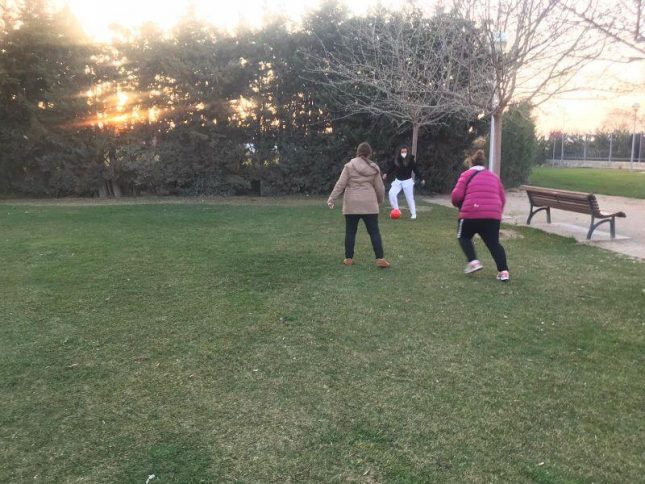
The 'Double Stigma' project at the Carmen Neuropsychiatric Center in Zaragoza teaches its residents with mental illnesses to break with gender roles
Being a woman is a condition in the career of many people on their path to happiness and full freedom. But being a woman and suffering from a mental illness makes this journey much more complicated. For this reason, from the Nuestra Señora del Carmen Neuropsychiatric Center, in Garrapinillos, Zaragoza, they have launched the Double Stigma project, an initiative that aims to promote social participation and the empowerment of women with mental illness who reside in this center. . Likewise, an attempt will be made to break the existing prejudices among male users.
The project is based on a series of workshops, each of which will focus on a theme. Group sessions will be held in which dynamics linked to gender roles will be presented and then put into practice. «For example, in one of the dynamics different images will be shown of men carrying out activities that could be linked to the female role, such as ironing, and of women with roles frequently attributed to men, such as the profession of bricklayer, and "We will talk about it," explains Irene Barrera, head and ideologist of Double Stigma. "In the practical session, the men will be in charge of preparing the food, within the framework of a cooking workshop, but pretending that they are at home, in charge of the children, while their wife works," she adds.
The person in charge also explains that another of the dynamics will be, for example, the analysis of the lyrics of reggaeton songs – widely listened to by male users of the center – paying special attention to the message they transmit to assess whether it is appropriate.
Less participation of them in sports
The workshops began this Monday, March 8, and were born as a result of observing that the women at the center did not participate in certain activities, such as sports. "The percentage of participation of men in these activities is 75% compared to 25% for women," says Barrera. On the other hand, according to the person responsible for the project, these percentages are invested in activities more focused on the care and well-being of others, such as, for example, cooking workshops. "Female users of the center also spend less time resting or pursuing their own interests," she adds.
Thus, within the framework of this project, non-sexist education will be offered and the preservation of the fundamental rights and autonomy of women who, due to their gender and health status, are subject to stigmatization that can be aggravated when you live in a center. "The fact of living in a psychiatric institution means that these women want to be accepted by the rest of the users, so they adopt those roles that they consider will contribute to this acceptance," says Barrera. Now, they fight and educate to change that.





