
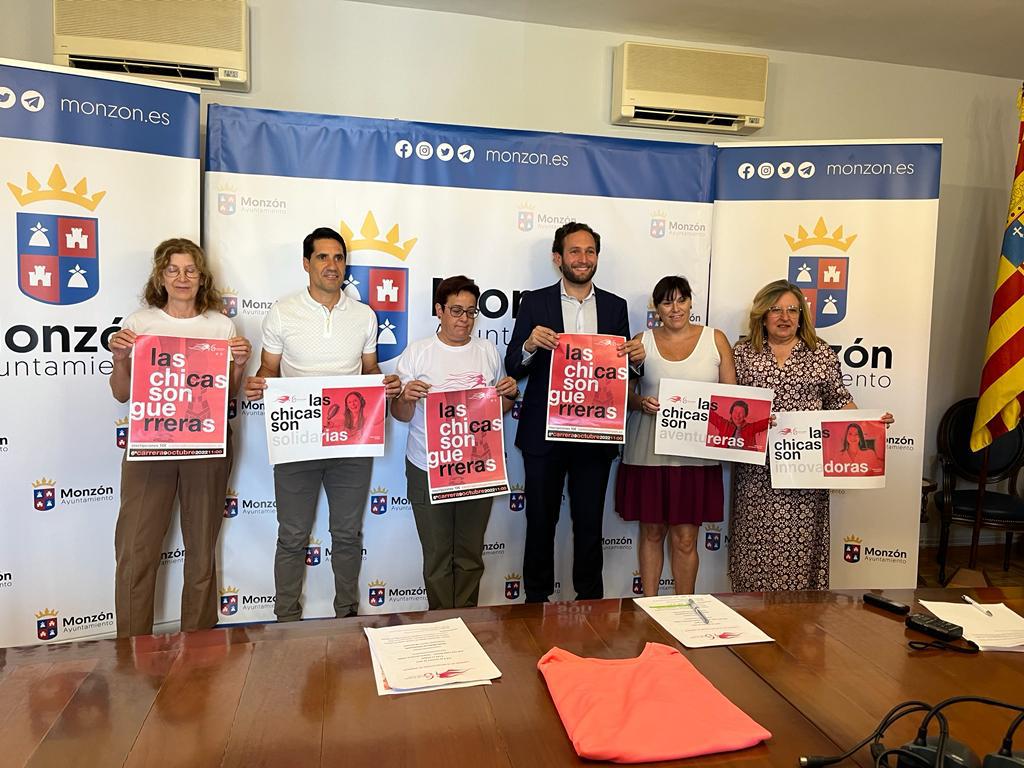
The VI Monzón Women's Race will allocate its proceeds to an IIS Aragón project against childhood leukemia
September 9, 2022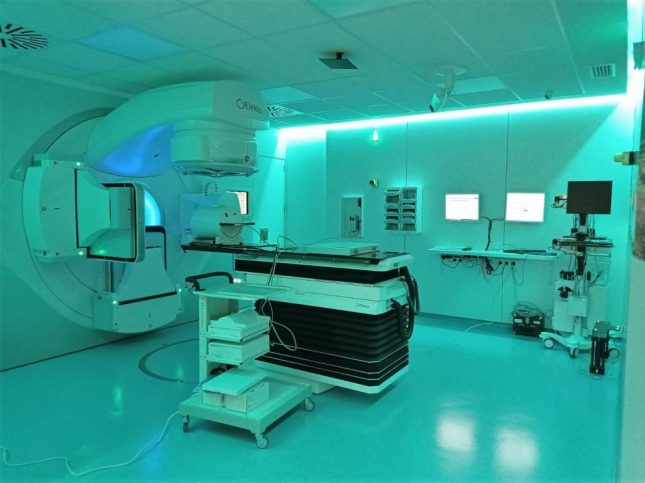
Robotics lends a 'hand' to cancer patients in Aragon
September 12, 2022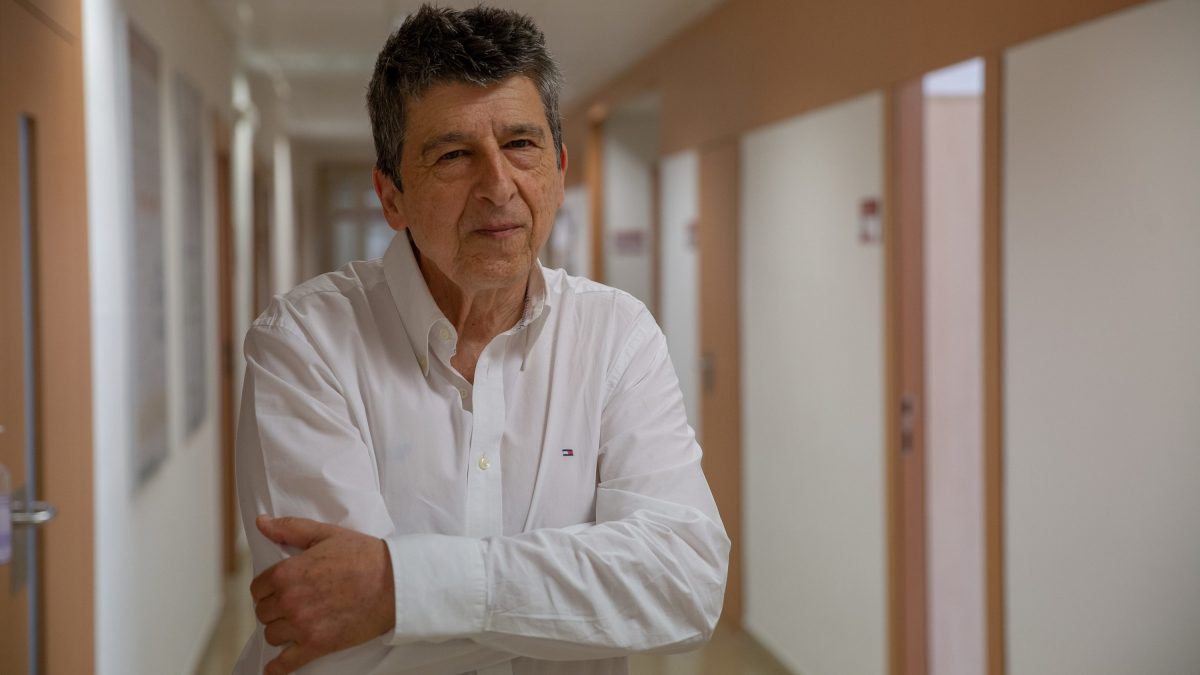
This hematological disease registers between 2.500 and 3.000 new cases in Spain annually.
"I started to have symptom in 2007, but they were practically negligible. I started with torticollis, which I attributed to the fronton practice, but then the symptoms got worse and I had to have emergency surgerya year later because the C3 cervical vertebra had disappeared. The doctor already suspected it and in the operation it was confirmed." This is how Luis Colomer, 68 years old, doctor in Philosophy and Letters from the University of Zaragoza, high school professor of Philosophy and professor of Musicology at the University of Salamanca, explains how he knew that he suffered multiple myeloma.
14 years have passed since then and Colomer is one of the patients who has been rescued thanks to different therapies, many of them within the framework of a trial. The last one in which he is immersed (and it is the fifth) at the Clínica Universidad de Navarra (CUN) and with the help of the laboratory Janssen, addresses treatment with a bispecific antibody with which Colomer has been in complete remission of the disease for more than two and a half years.
It is a clear example of everything that has been the evolution of myeloma therapy, where New combinations and new drugs have been generated to treat patients who have been relapsing to the first generations of treatments," says Paula Rodríguez, hematologist and medical coordinator of the Central Clinical Trials Unit at the CUN, where this patient ended up on the recommendation of the specialists who were treating him at the time in Zaragoza.
Every year, between 2.500 and 3.000 new cases of multiple myeloma are diagnosed in Spain, figures that place this disease in second place among most common hematological cancers, after lymphoma.
Increased survival
Today, September 5th is the International Day dedicated to this disease that is mostly diagnosed in people over 65 years of age, but which also manifests itself below this age (15% under 50 years of age, according to the Spanish Society of Hematology and Hemotherapy). The average overall survival has gone from 3-5 years to 7-10 years thanks to new treatments.
This hematological tumor is caused by the malignant proliferation of plasma cells, which are found in the bone marrow and produce antibodies, also called immunoglobulins, responsible for fighting infections. "LHealthy people have 2%-3% plasma cells. You might think that they are very few, but we are talking about those percentages within millions of cells in the marrow," says Jesús San Miguel, director of Clinical and Translational Medicine at the University of Navarra, medical director of the University of Navarra Clinic y scientific director of the Cima University of Navarra.
Each of those plasma cells is different from the others to produce the full range of antibodies. "The problem with myeloma is that one of these cells transforms and gives rise to a clone, a group of daughter cells that are all the same, thus producing the same antibodies and displacing the other plasma cells that would have to produce other antibodies." , explains San Miguel in detail.
Between 30% and 40% of cases the diagnosis is casual through a conventional blood test, "and in the other 60% it is diagnosed because the patient goes to the doctor or because he has bone pain, or anemia or because he has renal insufficiency", points out San Miguel. The most common thing, he says, is back pain, "but it can also be rib pain, or pain in a leg, an arm because it affects the long bones more."
In the case of Luis Colomer, it manifested itself in the neck with pain that, at first, neither he nor his orthopedic surgeon at the time gave much importance to, as he himself states. After the diagnosis, and already at the CUN, "he received the usual first-line therapy and In March 2010, he underwent an autologous bone marrow transplant and maintenance treatment. With this, the disease was controlled for a few years, but as is often the case in the usual history of many of these patients, he relapsed," says Dr. Rodríguez.
Response to CAR-T
It was then that the CUN specialists, after four years of having controlled the myeloma They referred him to the clinical trials being carried out at the center, "in which I have been participating for eight years," says Colomer, who is in the fifth line of treatment.
One of those last integrative complementary, the penultimate one specifically, was with CAR-T cells directed against the BCMA antigen, with which Colomer obtained "a very good response that lasted up to 14 months"comments the CUN hematologist.
La CAR-T cell therapy It is based on the use of the patient's own cells (T lymphocytes), "which are extracted, genetically transformed in the laboratory and stimulated so that they can recognize the tumor cell. These modified lymphocytes are infused back into the patient. so that it destroys tumor cells when it recognizes them," explains Dr. San Miguel.
Despite the positive response for a year and two months"and with an extraordinary quality of life," adds San Miguel, Colomer relapsed again. "But she has been rescued again and is being treated in a new trial with a bispecific antibody, Talquetamab, with which he has been in complete remission for more than two and a half years"says the medical director of the CUN.
Talquetamab, which does not yet have approval from regulatory agencies, targets both the GPRC5D molecule, a new target of the multiple myeloma, like CD3 on T cells.
Source: The World





