
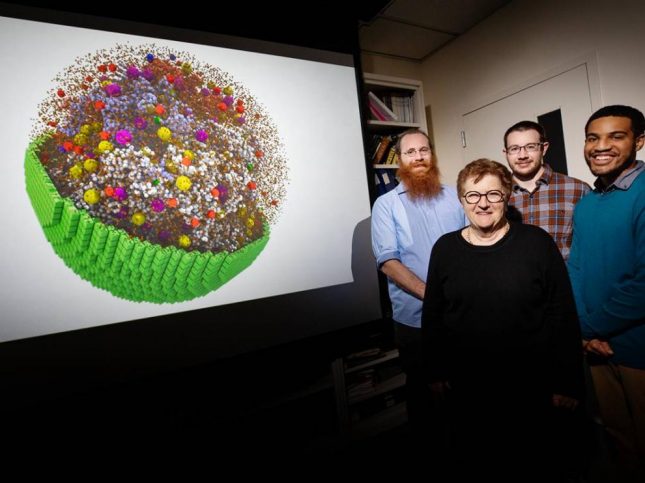
They simulate the behavior of a living minicell in 3D
1 February, 2022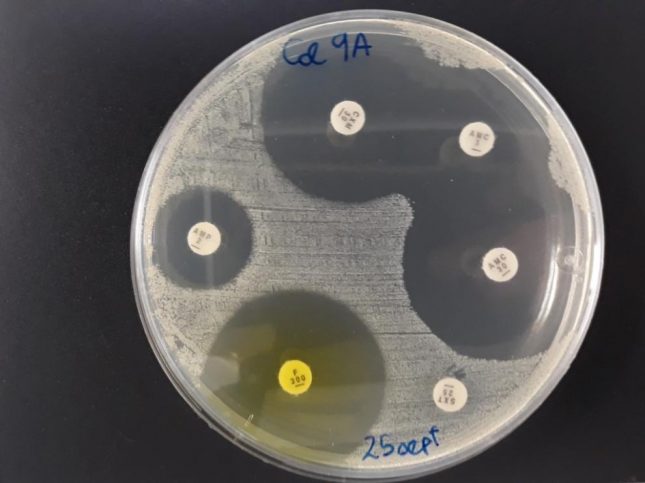
Bacterial resistance to antibiotics, the silent epidemic
1 February, 2022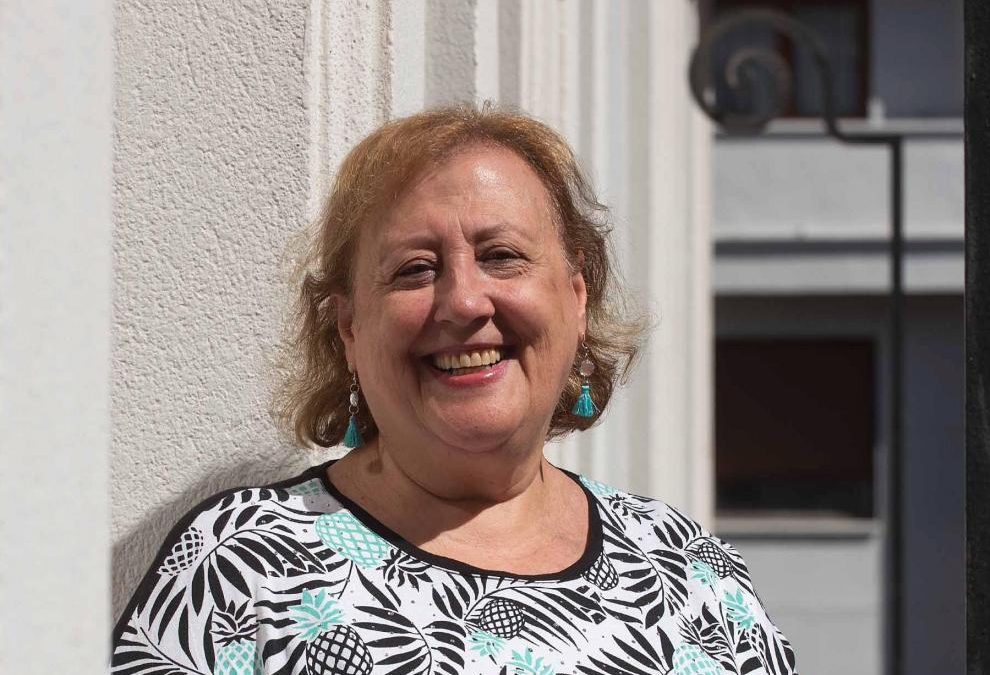
Responsible for launching the Nutrition Unit at the Miguel Servet Hospital, the nurse is one of the great pioneers in feeding patients in the Community.
Marilourdes de Torres is one of the great pioneers of food in the Aragonese healthcare field. Among her achievements, the launch of the Nutrition Unit of the Miguel Servet Hospital stands out. In addition to having extensive experience in this field, she is a Nutrition delegate of the General Nursing Council of Spain and Nutrition coordinator of the Zaragoza College of Nurses.
What is the process followed to create hospital menus?
It is a kind of combination of science with imagination to create varied diets in line with the needs of the target population, which are the admitted people. Therefore, diets must be calibrated with the necessary calories, add foods that must be in the majority and restrict those that are not allowed due to the characteristics of the pathology to which they are going to be applied. Diets are classified by numbers, adding next to it the name of the digestive pathology or circumstance for which it is designed.
The patients' diet was adequate, but the science of nutrition was not as advanced, so the number of diets was smaller and the menus less varied. It was one of the first actions that, in agreement with the head chef, we decided to implement.
What was the process of creating the unit like?
The most exciting thing is that we were starting from scratch. We began by developing a diet code and, as there was no magic program then, we calculated the calories per intake of each menu like the rest of the nurses in the other units in Spain, with graph paper, pencils, eraser and pencil sharpener. The diets turned out so well that we made an official presentation at Insalud. All this at the same time that enteral nutrition by tube was already increasing, so I became an educator supervisor with my plant colleagues and a crybaby with my director, the manager and the human resources assistant to achieve a greater provision of resources. –increase in staff, nutripumps, types of probe…– And, for all this, it was necessary to give seminars and continuing training courses in nutrition and dietetics, which I organized together with the person in charge of teaching and which were very successful.
How has the patient's diet changed over the years?
Basal diets have been adapting to how tastes have changed. The Hospitality service has been acquiring better technology in household appliances and a safer and healthier diet can be prepared. And, of course, taking into account improvements in sustainability, such as conservation chambers, huge kitchen containers and waste management. Advances in nutrition science and food technology also help this.
Based on what you have experienced in your career, how do you exemplify what nutrition contributes to the improvement of patients?
When the body receives all the nutrients, it functions well. If you receive them in excess, it is reflected in analytical alterations. And, if they are insufficient, malnutrition is generated. Preventing a patient from becoming malnourished is what must be controlled the most during admission. The nurse, when suspecting a risk, must perform a nutritional screening, which is already protocolized in all hospitals. Then, this patient is monitored and his or her diet is fortified from the kitchen according to the guidelines of the Nutrition and Dietetics Unit or with pharmacy supplements. He is monitored and, if the malnutrition does not reverse, enteral nutrition is started, which is administered through a tube that usually enters through the nose and reaches the stomach.
Has the greater awareness about food that society is experiencing has had an effect on health?
There is a lot of talk about a healthy diet, but eating habits are getting worse and worse. As a nurse who has spent her entire professional life doing nutritional education with users and patients, I believe that we do not have to let our guard down and that we must continue talking with entities such as neighborhood or consumer associations. The perfect diet, according to the WHO, the FAO and the UN, is the Mediterranean diet, and here we have it on our doorstep with the Ebro garden and its delicious vegetables, or the Jalón garden with its juicy fruits.
Source: Heraldo de Aragón





