

Ramón Reyes, president of the AECC: "We have to know why there is more cancer than ever at an early age"
23 July 2024Research in Ulcerative Colitis (UC) 2024
24 July 2024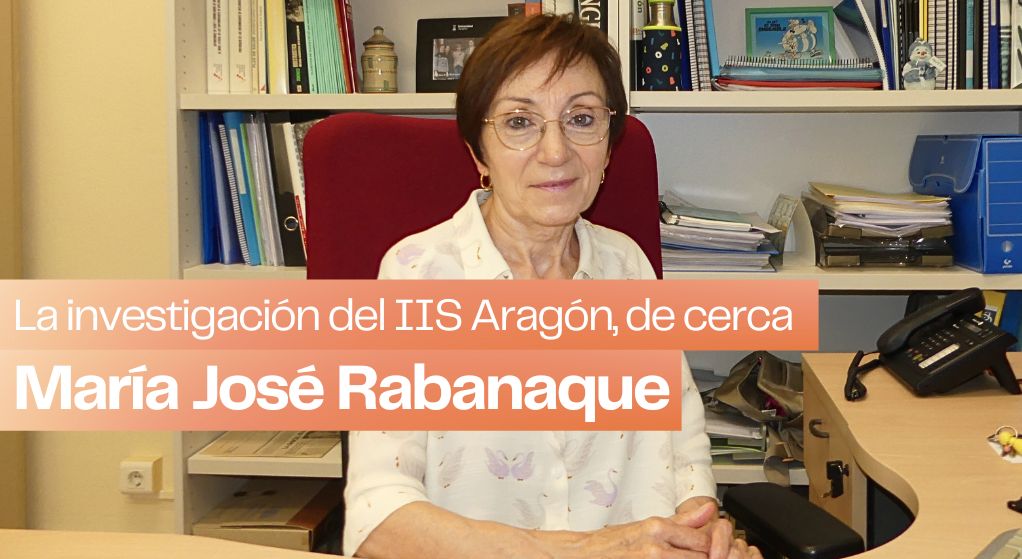
The IIS Aragón researcher talks in this interview about her work directing 'GRISSA: Health Services Research Group' (GIIS022) and what her day-to-day life is like
María José Rabanaque, doctor in Reproductive, began his research career in 1985 and has dedicated his life to research in health services. From creación from the Aragón Health Research Institute (IIS Aragon), has worked tirelessly to identify more effective and equitable health practices.
Now, María José is the Principal Investigator of the Health Services Research Group of Aragon (GRISSA), focusing on two main lines: the study of the utilization and effectiveness of health services and treatments pharmacological, and knowledge of the health status of the population to identify influential factors and inequalities. “It is an interesting challenge to advance knowledge related to disease prevention and the effectiveness of the care provided by the health system,” the researcher reflects on her work in the group.
“It is an interesting challenge to advance knowledge related to disease prevention and the effectiveness of the care provided by the health system”
What lines of research are being worked on in your group?
GRISSA's lines of work are two. On the one hand, we study the use, adequacy, effectiveness, equity and safety of health services and pharmacological treatments. To do this, we analyze the aspects related to the use of health services, considering the existing variability and its associated factors, as well as the study of the effectiveness of preventive or therapeutic pharmacological treatments.
On the other hand, we examine the health status of the population, influencing factors and existing inequalities, through the use of RWD, in order to increase knowledge about the health status of the population and its causes, the identification of patient profiles for the development of personalized medicine and the detection of health inequalities.
What is the main challenge your research group is currently facing?
There are various challenges in the field of research in health services. It's challenging identify the most effective, efficient and safe practices. So is he study of access and use of the health system, to ensure that it is equitable and promotes the reduction of health inequalities.
Furthermore, one of the main challenges is the change of health care model: promote the transition from more medicalized models to interventions outside the health system. And finally, I would highlight the real life data usage in research, its challenges and opportunities.
Any ongoing projects that you would like to highlight?
The cohort CARhES (Cardiovascular Risk factors for Health Services research). This cohort is made up of the adult population of Aragon with a didiagnosis of hypertension, diabetes or dyslipidemia, traditional risk factors for cardiovascular disease.
Through the analysis and integration of Real Life Data (RWD), Coming from administrative and clinical databases of the Aragonese Health Service, the aim is to know what pharmacological treatments are used by individuals in the CARhES cohort and how they use health services. They also try to identify inequalities in the care provided by the health system, their effect on health outcomes, and describe the patient groups with greatest needs. More information in: https://grissa.org/cohorte-carhes/
What profiles make up your research team?
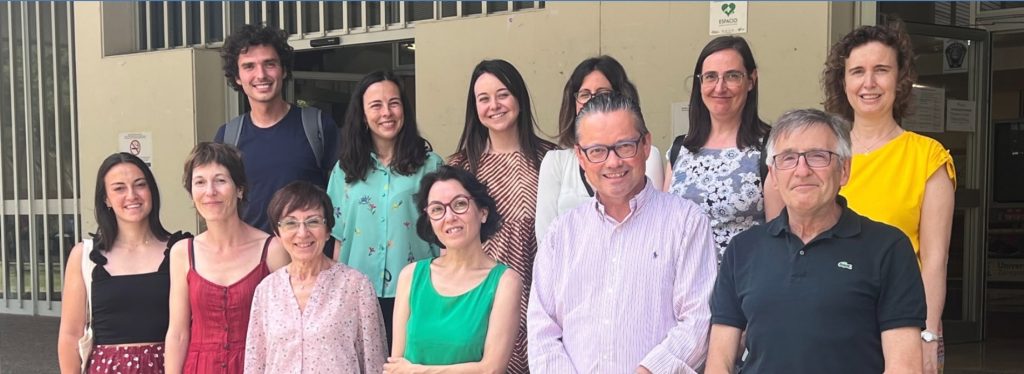
GRISSA It is composed of 17 professionals of different training and scope of work. It is a multidisciplinary team that integrates doctors from different specialties (Preventive Medicine and Public Health, Family Medicine, Intensive Care Medicine), nursing staff, pharmacists, mathematics and statistics.
Why should companies bet on research, and specifically, on your group?
Although the relationship with companies is not as direct as with other research topics, Knowledge about the use of health services and the frequency of pathologies in the population may be of interest to companies providing various care.
Advice for someone starting out in healthcare research?
Be realistic in the objectives to be set and in professional expectations, have enthusiasm and work with other groups and people.





