
Call 2020 Research grants from Ignacio H. de Larramendi _ Fundación MAPFRE
October 7, 2020
The University of Zaragoza, the fifth in Spain in attracting national funds for 83 research projects
October 8, 2020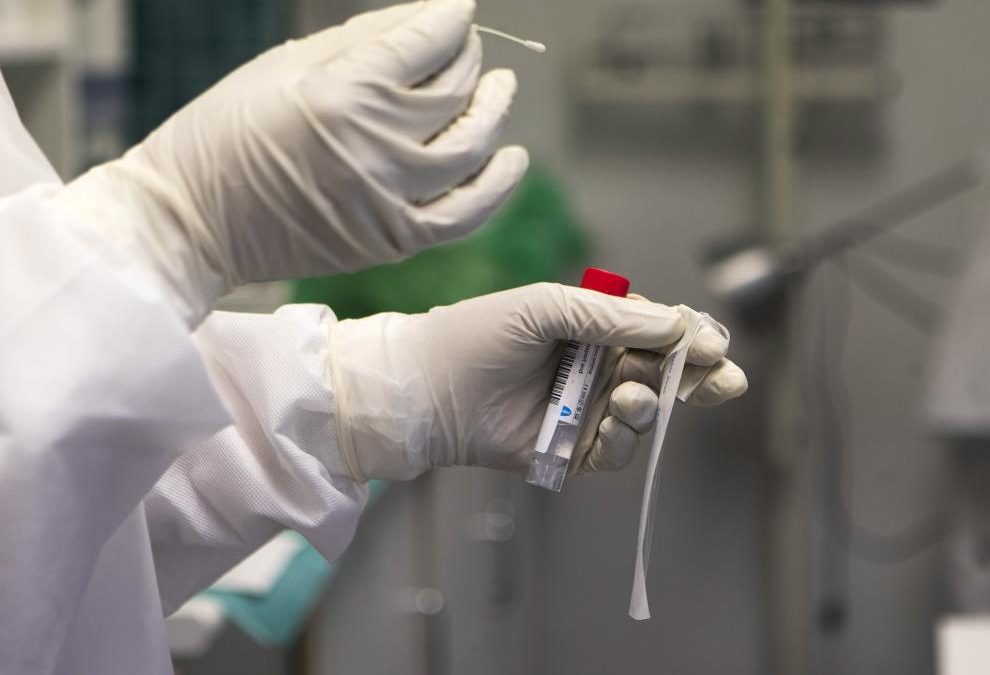
The new antigen tests will be used in symptomatic patients and in residences and schools
The rapid antigen tests to detect covid-15 in 19 minutes will now be available in health centers in the Aragonese Community during this week. The Department of Health will follow the Ministry's protocol and will use this diagnostic technique both in people with symptoms and in community settings, aimed at studying outbreaks in strategic areas and in health, social-health or educational centers.
The Government of Aragon has developed a plan for its use in hospitals, health centers or 061, which will determine when professionals request a test of this type or a PCR. The regional Executive has acquired 100.000 antigen diagnostic tests which, as explained this Tuesday by the Minister of Health, Sira Repollés, were scheduled to be received between yesterday and today and to begin distributing to outpatient clinics, "so that they can begin to be used this week." .
In principle, the incorporation of antigenic tests as a diagnostic and screening tool in health centers will be governed by the Ministry's protocols, so that people with symptoms will be prioritized, and those directed to the study of outbreaks in strategic areas and of close contacts in certain environments such as health, social health or educational centers. The main objective is to facilitate the diagnosis so that it can be carried out as quickly as possible and, in this way, initiate the appropriate control measures to reduce the transmission of the virus. Public Health announced last week that these tests would be used in the community and residential settings, so that newly hired professionals or those returning to work after vacation could be tested.
A few days ago, the Ministry of Health updated the 'Strategy for early detection, surveillance and control of covid-19', where they incorporate antigenic tests as a diagnostic and screening tool. The text also emphasizes the importance of defining registration systems that guarantee the notification of all the results of these new tests to the Public Health services. The use of these tests will make it possible to face the foreseeable increase in the coming months in diagnostic needs due to the increase in respiratory infections, such as the flu, and, in turn, be able to provide a better response in specific environments such as educational centers. The sensitivity of these antigenic tests is 97% and they will allow us to safely and reliably know the result of coronavirus infection. Another advantage of antigen tests is their cost: 4 euros compared to €65 for a PCR.





