
Call for Lilly Foundation Biomedical Research Awards 2022
27 January 2022
A doctor from Servet, among the 31 best in Spain, according to the 2021 Doctoralia list
27 January 2022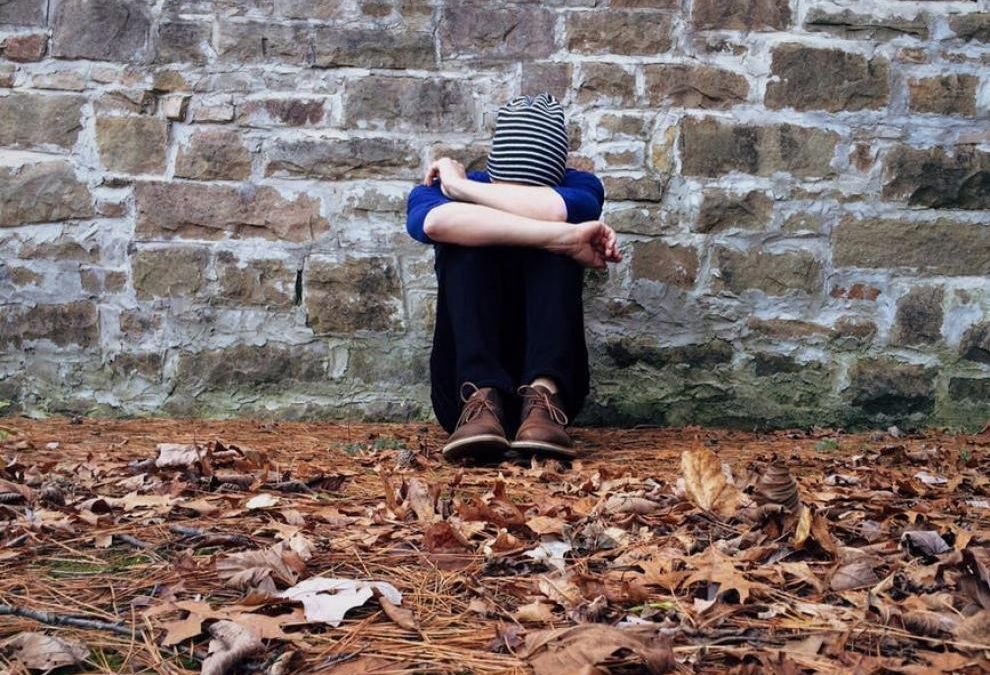
The psychological damage of the crisis is already evident: 43% are emotionally unwell or very unwell, 58% are stressed, and 40% are depressed.
The warnings that doctors and psychologists have launched non-stop since last spring and summer are confirmed. The Spaniards are absolutely convinced that the COVID-19 pandemic coronavirus Another great health epidemic will follow. It is about the proliferation of mental health disorders and problems among the population of all ages.
The Spaniards, along with the British, are the Europeans who are most certain that the unprecedented social and emotional disruption caused by the coronavirus crisis will lead in the medium and long term to an avalanche of psychological disorders. They expect damage to the mental health of the population only a little less than that already caused by covid in the economy and employment. The conviction of the arrival of the new epidemic reaches 55% of Spaniards, according to the AXA International Study on Mental Health, held this fall in eight major European countries.
In fact, the problem is already here. There are very clear signs. To the confirmation of growth in the consumption of antidepressants (illness present in up to one in five casualties) or the sad record in suicides, are joined by the direct confessions of citizens. Almost half of Spaniards, specifically 43% reveal that they feel emotionally bad or very bad, and the prevalence of this negative perception is higher among women, especially among those between 45 and 54 years old, who are the ones who declare themselves most unhappy. Among men, the age group most psychologically affected is the one between 35 and 44 years old, the only one in which men confess to feeling worse than Spanish women.
The British are continental population most affected by stress and Italians and Irish those who suffer the most from depression and anxiety. "We are at a critical moment for mental health and we must be aware of the effects of this other pandemic," warns Ángela Milla, AXA Health Director.
En SpainAlso rains, it pours. It is one of the territories in which the most citizens admit to having suffered some mental health problem in the past, among which depression, anxiety and, to a lesser extent, eating disorders abound. Specifically, this is what a third of those questioned say, a proportion almost identical to that of the British and Irish, who lead the way in precedents.
The study gives another wake-up call to health authorities. 38% of Spaniards, five points above the European average, denounces that the public system does not sufficiently support the mentally ill.
Meanwhile, negative data stand out two more encouraging. The first is the great responsibility of Spaniards who suffer emotional problems. More than 80% have their problem diagnosed by a professional -a specialist or a family doctor-, 16 points more than in other countries, and only 7% resort to self-diagnosis, a dangerous habit that twice as many citizens fall into in the rest of the world. Europe. The second, that Spain is at the head of those who believe that pandemic has improved its ability to face great challenges in the future. This strengthening your resilience 40% of the population perceives it, seven points more than in the rest of the continent.
The dream of traveling
The majority of Spaniards have tried to overcome the personal and emotional tears of the pandemic in a much more positive way than other countries, with the main support of family and friends and investing in hobbies, pastimes and physical exercise. Only 6% chose to increase their alcohol consumption. It is half that in other countries and is very far from the figure for the British, among whom one in five admits to having increased their consumption of beer, wine or spirits in response to problems.
What the Spaniards are very clear about is what they want to do in the coming months, if the pandemic becomes a seasonal epidemic and a certain normality returns. Like the rest of Europeans, They long to recover their routines and reconnect with family and friends. But what they want most is to travel again. 69% highlight it, ten points more than in other countries. Something similar happens with social life. The Spaniards lead the rankings by far of Europeans who long for partying, dating and going to concerts or the theater.
Source: Heraldo de Aragón





