

Not only mothers should take care of themselves: this is how men's (poor) health affects their future offspring
November 18, 2022
Alcohol: the less the better
November 22, 2022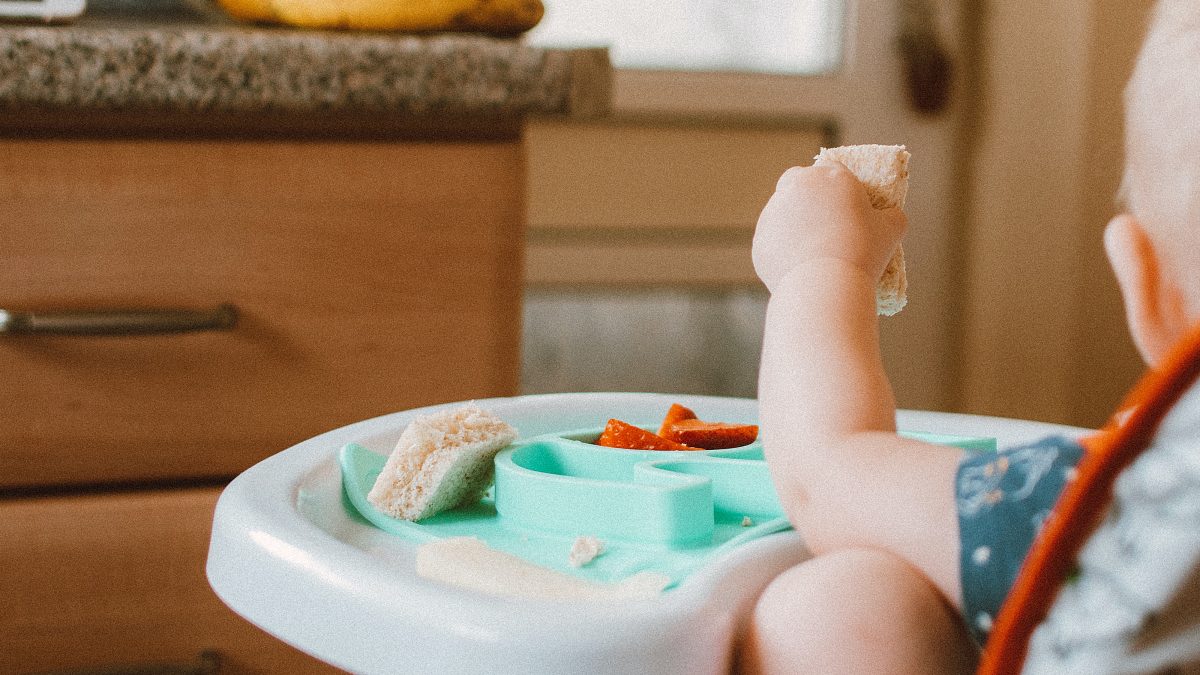
The arrival of a new member to the family is always a source of happiness and new concerns, including how to provide the best possible diet. In the first moments of life, this decision is relatively simple since breastfeeding or, failing that, starter formulas are the only possible alternatives.
From a scientific point of view, both the World Health Organization and the different pediatric societies recommend the use of exclusive breastfeeding up to 6 months of age, whenever possible and the mother wishes to breastfeed. Is there justification for this effort?
Milk and microbiota
In addition to nutrients, human milk is a source of other bioactive components, such as immunoglobulins or oligosaccharides. And, although it is less known, it also contains bacteria that are passed from mother to infant, including bifidobacteria.
To try to reproduce this natural effect, and resemble breast milk as much as possible, some starter formulas have chosen to enrich their products with breast milk oligosaccharides (HMO) and it is common to find follow-on formulas with probiotic microorganisms.
Most of the bacteria we have in the body live in the intestine, mainly in the colon. The first microorganisms reach the newborn's digestive tract at the time of birth and begin to establish an intestinal microbiota that will evolve as the digestive tract matures. Unlike what happens in adults, who have a more stable and varied bacterial composition, in newborns the microbiota is quite simple and evolving.
While children are breastfeeding, their intestine is populated mainly by bifidobacteria.
Several environmental factors, such as gestational age, type of delivery, infant feeding mode, use of antibiotics, consumption of prebiotics and probiotics, or maternal diet, have the capacity to influence the establishment of the baby's intestinal microbiota. .
It is not trivial: it turns out that alterations in the intestinal microbiota, called dysbiosis, have been related to a greater risk of suffering alterations in the proper functioning of the immune system, such as asthma or allergies. In addition to metabolic disorders, such as obesity or diabetes.
Some of these pathologies can persist throughout life, so correct management of the microbiota at an early age (and an adequate diet) is essential for promoting the child's future health.
And after that?
From 6 months onwards, breast milk may be insufficient to guarantee all the baby's nutritional needs, so the introduction of new foods is necessary. Complementary feeding represents a crucial stage in which a balance must be achieved to guarantee the child's energy and nutritional requirements, allowing him to have development appropriate to his age and taking into account his limited digestive capacity.
In relation to time, the European Society of Pediatric Gastroenterology, Hepatology and Nutrition (ESPGHAN) establishes that the introduction of complementary foods should not occur before 17 weeks, nor be delayed beyond 26 weeks.
What is more difficult is not knowing when to start but what foods to include. What products should be incorporated into the diet, when to do it or what texture is most appropriate are questions that open up a wide repertoire of possibilities. From the field of nutrition research it would be great to be able to recommend an ideal pattern. However, it may not make much sense to look for a standard diet that works for everyone since everyone is different.
There are as many diets as there are people
And what happens to the gut microbiota when solid foods come into the picture? It is a key question.
Read the full article on the original website, clicking on the button below this text
Source: The Conversation. Authorship: Sonia González Solares, Full Professor at the University of Oviedo. Researcher in the human microbiota diet and health group at ISPA, University of Oviedo. Miguel Gueimonde Fernandez, Scientific Researcher, Dairy Products Institute of Asturias (IPLA – CSIC).
Featured Image: Source Pexels.com, Photo by Lisa Photos.





