
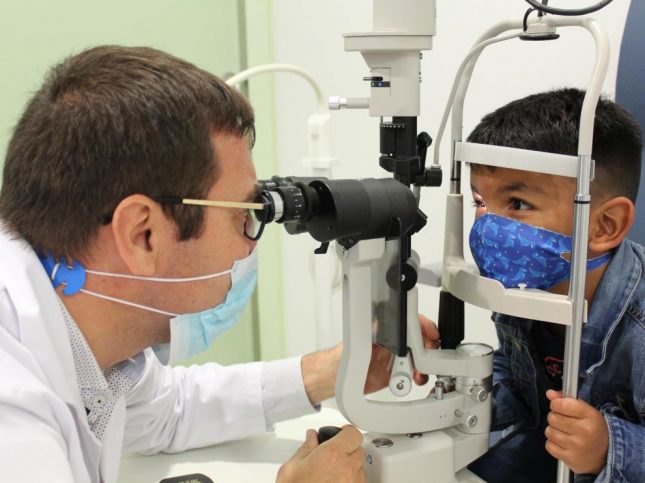
A child overcomes retinal cancer thanks to a genetically modified virus
November 30, 2020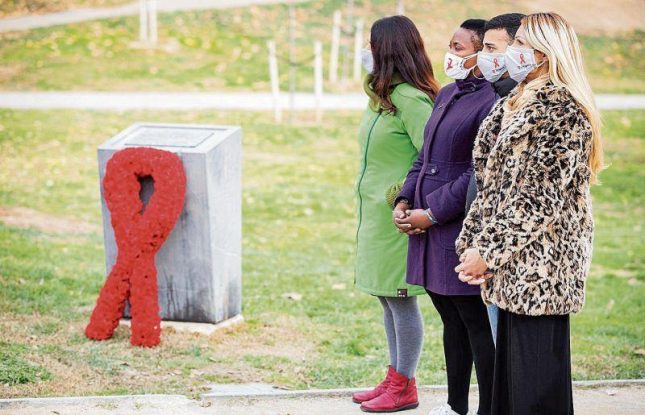
HIV is still present and no one should be left behind
2 December, 2020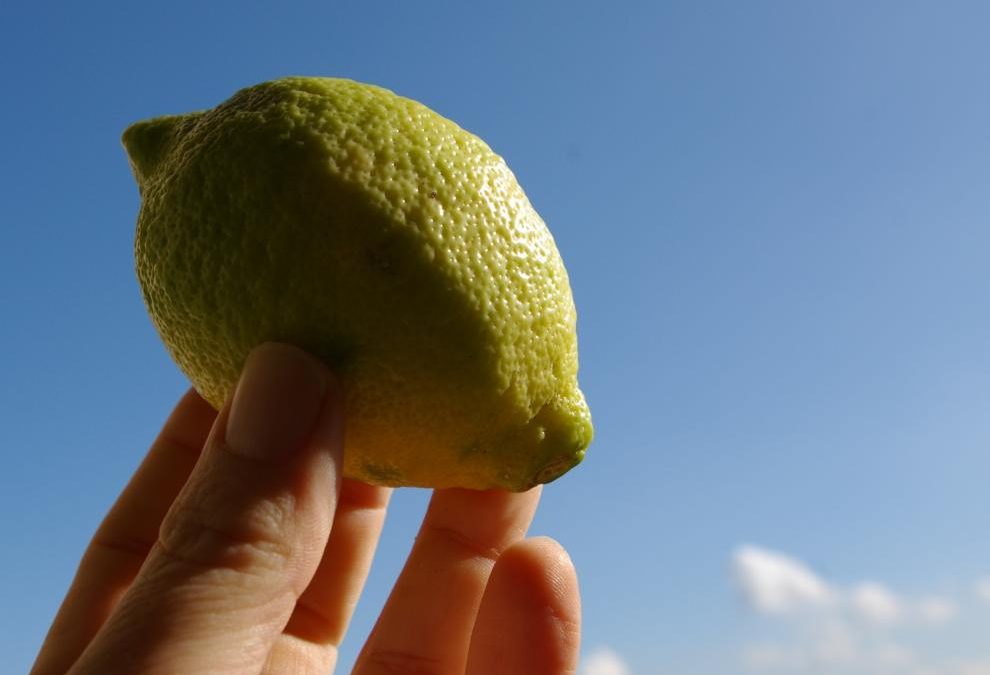
You're going to call me stupid. I think this is the third or fourth demystifier of the year that talks about the damn corona bug, but it just keeps giving me work. Because of course, we are all tired of curfews and confinements. And this is an ideal breeding ground for the appearance of supposed miraculous remedies, universal cures and other elixirs and panaceas. The smoke sellers are putting on their boots.
True or false
For a change, these pseudoscientific remedies try to take advantage of us. They use scientific terms (such as 'acid', 'alkaline', or 'pH') to appear serious and trustworthy. But, in reality, this makes neither head nor tail. I'll try to explain why. Let's start with the famous pH, an old acquaintance from shampoo advertisements. What exactly? It is a way for scientists to measure the acidity of solutions. In general, if we talk about foods, drinks, cleaning products and things that we may have around the house, pH is a scale from 0 to 14 'points'. Substances with a pH between 0 and 7 are acidic, such as vinegar, Coca-Cola, orange juice or coffee. Acids are usually sour substances and, if they are very strong or very concentrated (such as salfumán), they are very corrosive and cause burns. Substances with pH 7 are neutral, neither acidic nor basic. Distilled water, for example, is neutral. Substances with the highest pH (between 7 and 14) are alkaline. Normally, they are bitter, soapy to the touch and very irritating, because they are capable of dissolving the oil in our skin. Bleach, ammonia, detergents and soap are alkaline substances. Most of the foods we eat are acidic. But absolutely nothing happens, our gastric juices are even more corrosive (pH between 1 and 2). The truly dangerous thing is to take really alkaline substances! It is not a good idea to swallow a spoonful of detergent, or drink a glass of bleach.
The list of alkaline foods that circulates out there is also a lie. Oranges and lemons are acidic. But, in addition, in this message many foods have a pH above 14. Are they so alkaline that they go off the scale? No, if they were we wouldn't be able to eat them. According to the list, avocados are more alkaline than ammonia: imagine how disgusting it would be to eat guacamole. It's a haphazard list!
To make matters worse, the message in question defends that eating alkaline foods raises the pH of our blood. This is what (according to the hoax) would protect us against the coronavirus. But it is not true: what we eat does not affect the pH of our blood. Luckily, our body has systems that are responsible for regulating that our blood always maintains a constant pH level, between 7,35 and 7,42 to be precise. This is homeostasis, as Dr. Carmen Gómez Candela, head of the Nutrition Unit at the La Paz Hospital in Madrid, explains to 'Newtral'. Remember: there is no food that protects us against SARS-CoV-2. Neither the supposedly alkaline fruits, nor vitamin D, nor anything at all. Nor does the direct consumption of sugar worsen Covid-19, but that is for another entire article. In short: always check the messages you receive on WhatsApp and social networks with magical anti-coronavirus elixirs, which are usually lies.





