
Vaccines will help control the coronavirus, but not eradicate it
26 January 2021XVIII Call for the award of Grants for Health Research Projects 2021 _ Fundación Mutua Madrileña
26 January 2021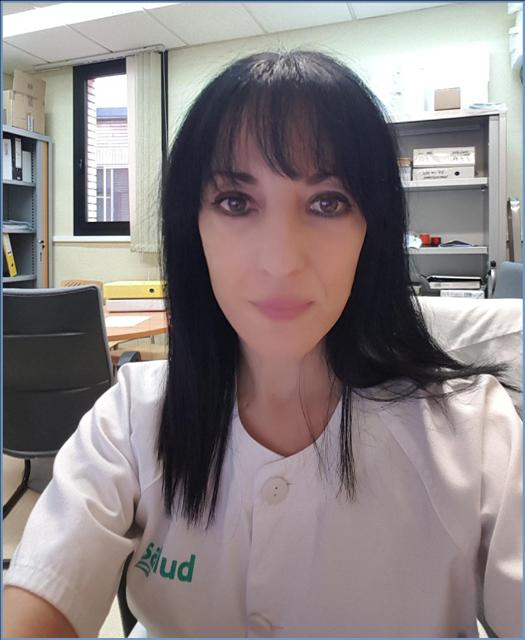
He assumes with an immense "honor, but also as "a challenge and an enormous responsibility", to represent the Spanish Association of Palliative Care Nursing (AECPAL) and succeed Isidro García Salvador and those who previously held the presidency, such as Lourdes. Guanter and Luis Utor. Nurse and social worker, Marisa de la Rica Escuín is a specialist in Geriatric Nursing, Master in Oncological Nursing and Palliative Care and doctor in Health Sciences from the University of Zaragoza. She currently works at the Research Institute. Sanitaria de Aragón and is a professor at the University of Zaragoza.
What are the challenges that AECPAL faces in the short, medium and long term?
To raise the challenges, I think it is important to look back and be aware of what has been achieved so far. Since AECPAL was born in 2005, it has been growing little by little, and always sharing the objectives with SECPAL. The AECPAL working groups have carried out very important work for nursing. I mainly want to highlight the Specific Training Area (ACE) Working Group, which has worked these years with the objective of achieving a Palliative Care ACE, with all the difficulties that have existed and exist on this topic; that of Care Plans, which has worked and achieved the publication of two editions of the Guide to Standardized Care Plans; the Research Group, which has been achieving the objectives set since its inception, such as responding to specific research questions, providing resources and serving as a link between researchers who shared an interest in palliative care, in addition to developing scientific production own; and finally, the Competencies Group, which in these years published two clearly important documents for nursing, such as the Monograph on Nursing Competencies and the Monograph on recommendations on Palliative Care Training in the Undergraduate.
I believe that we must continue to advance and grow, and it is time to create new work groups led by nurses who are leaders in pediatric palliative care, palliative care in the care of geriatric patients, in teaching at the university level... And, of course , continue with our research group, since a scientific society has to continue generating evidence. Be much more present on social networks, inviting and involving professionals to share their experiences, concerns, projects, doubts and opinions and being able to serve as a dissemination resource for the development and visibility of their research.
We must create synergies between the different scientific nursing societies that have working groups on palliative care, such as the Spanish Society of Pediatric, Geriatric or Community Nursing. And, of course, continue working together with SECPAL, to defend and advance the objective of achieving the specialty of palliative care for all the disciplines involved in it. And always making palliative care nursing visible. Nurses must lead care, show its importance and generate evidence.





