
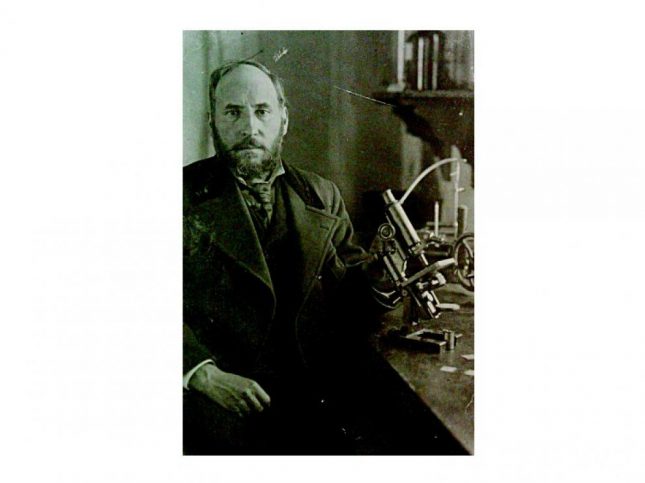
Ramón y Cajal, also a pioneer in vaccines
22 June, 2020
Faced with covid-19: vaccine yes, thank you
22 June, 2020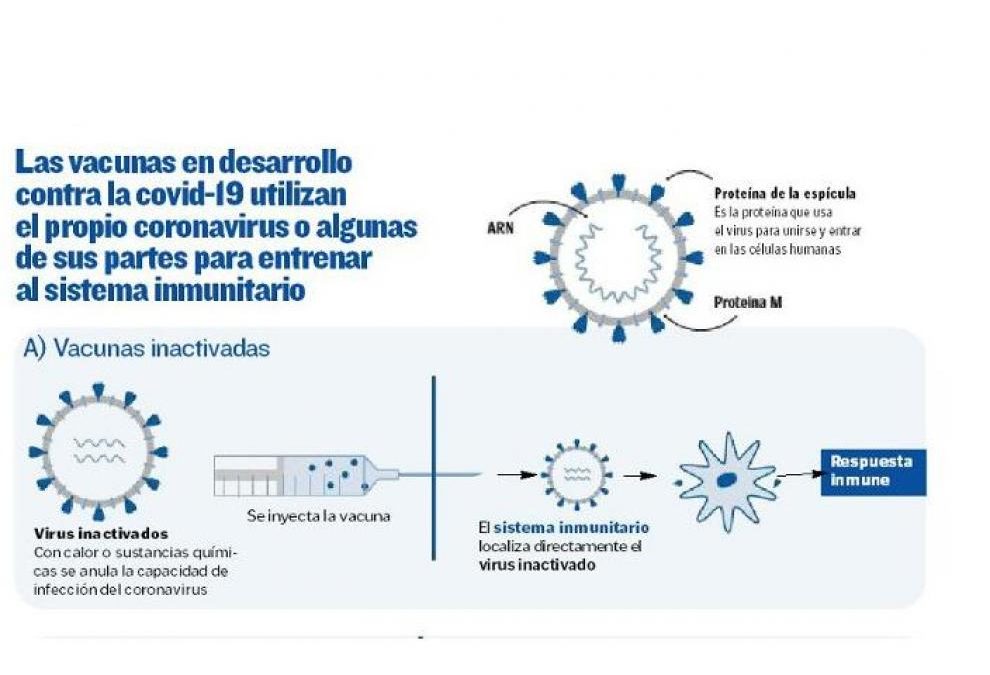
Vaccines act by 'training' the immune system, teaching it to defend itself against a virus or bacteria. What strategies do vaccine designers employ to achieve this?
There are four main strategies to develop a vaccine. We start from the basis that our immune system is capable of 'fighting' against any infectious agent, and not only against those already known, but also against pathogens that we have not even faced before, as is the case of SARS-CoV-2. But you have to prepare and learn. Vaccines act by 'training' the immune system so that when the true infectious agent appears we have an arsenal prepared to control it and this is achieved through different strategies.
inactivated vaccines
They consist of the non-viable infectious agent, for example a virus or bacteria that has been inactivated by heat or suitable chemical agents. Being inactivated, these viruses or bacteria are not capable of causing us any symptoms of the disease, but the immune system recognizes them, keeps their face and builds an arsenal against them. In this way, when we are faced with the viable pathogen, we are prepared to fight it. Vaccines against hepatitis A or polio are of this type.
Let's take an epic example, although fictitious, made into a film in the film 'El Cid' (1961): when the legendary hero died, his allies decided to place his inert body on their mount, Babieca, so that the enemy army could recognize him and fight it. The deceased Cid Campeador would act as an inactivated vaccine.
Lived vaccines
They consist of the infectious agent from which we have removed the ability to produce disease; This is achieved through a rigorous research process in the laboratory during which genes that are responsible for the microorganism being pathogenic are eliminated. By eliminating these genes, the virus or bacteria remain alive but are incapable of causing pathology and act as vaccines. Because they are so similar to the pathogenic virus or bacteria, they stimulate the immune system very effectively. Examples of this type are vaccines against chickenpox or measles.
Jesús Gonzalo Mycobacteria Genetics Group of the University of Zaragoza





