
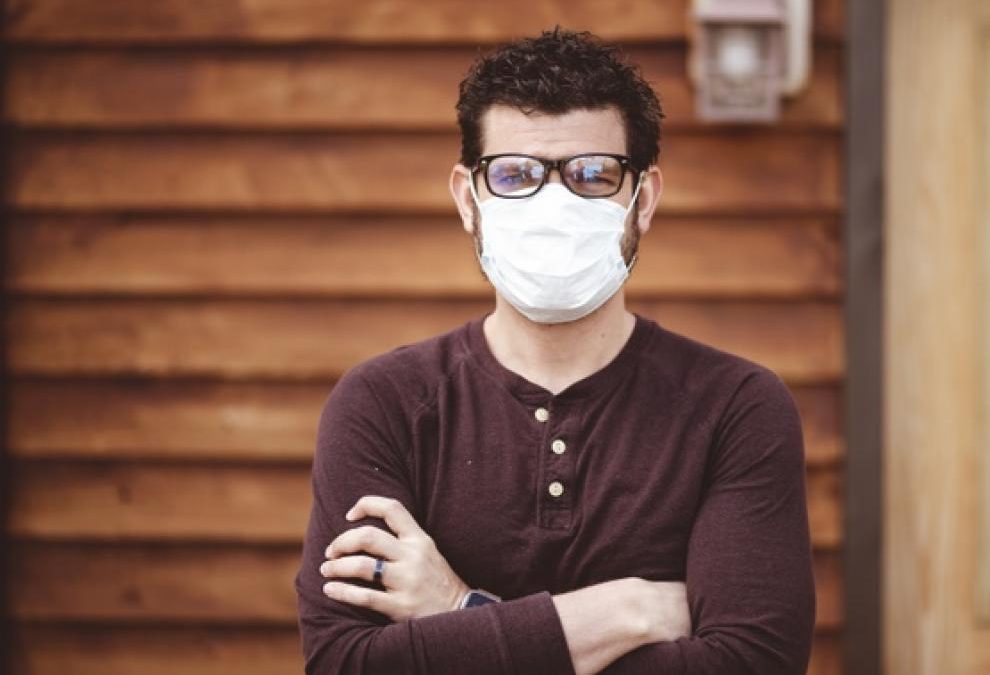
In our case, consultations to surgically correct these refractive errors have grown between 15% and 20%,” Sánchez specifies. “And people over 35 who used contact lenses and were happy with their choice are now no longer satisfied with masks. In addition, those who wear glasses and must wear a mask to drive may see their safety compromised, for example.”
This rise in consultations to surgically correct these defects is also attested to by Dr. María Ángeles Fernández, an ophthalmologist at the Baviera clinic in Zaragoza: “We have noticed, above all, a greater concern for health. Specifically, for visual health. Many have decided to invest the money that they no longer spend on leisure, on health. But we must not forget that there are also many people who are suffering economically in this health crisis, so they cannot come at this time.”
“It is really too early to know if there is an increase in these surgeries,” notes José Manuel Larrosa, ophthalmologist at the Quirónsalud Zaragoza Ophthalmological Institute - Biotech Vision. “During the months of the pandemic, these types of operations were not carried out (as those surgeries that were neither delayable nor elective continued to do so), so now we have, in principle, an increase derived from the delay suffered. But it is true that, thanks to the pandemic, we have once again given value to having good visual health.”
Of course, whether the demand for these operations has grown or not, what all centers agree on is that prior exploration is essential. “I always say that the first visit is the most important,” explains Fernández. “There we review the patient's general and ocular health and determine the surgery that best suits them. We also take into account your activity and your needs.” And, as Sánchez points out, “with this prior examination we try to identify patients in whom surgeries are contraindicated.”
More or less cataract operations?
For their part, cataract operations have also suffered from this duality. “These Social Security operations have been suspended for a while, due to the pandemic, and many have decided not to wait and go to our clinic to improve their quality of life,” explains Fernández.
“However, older people, who tend to be the ones who suffer from this problem, are also those who are most afraid of contagion and some, especially those over 70 years of age who have respiratory or heart problems, have decided to delay surgery.” says Sánchez. “Despite the fact that we are taking all measures to guarantee safety against Covid-19.”





