
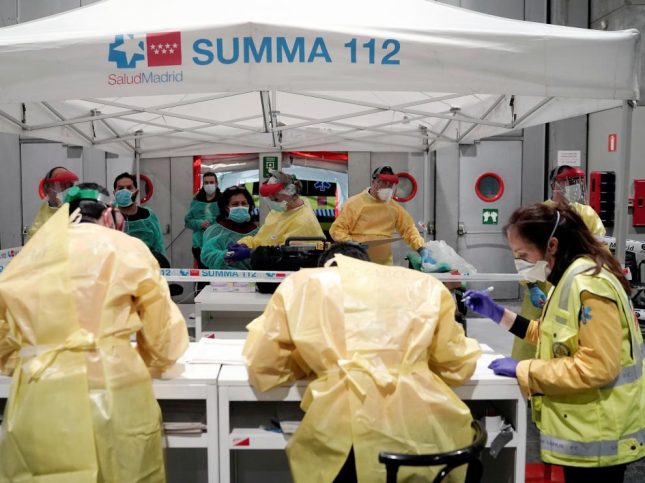
About 70% of coronavirus patients could develop protective antibodies
5 May 2020
Ordovás-Montañés, immunologist at Harvard: "We know how the coronavirus circulates but very little about how it affects each person"
5 May 2020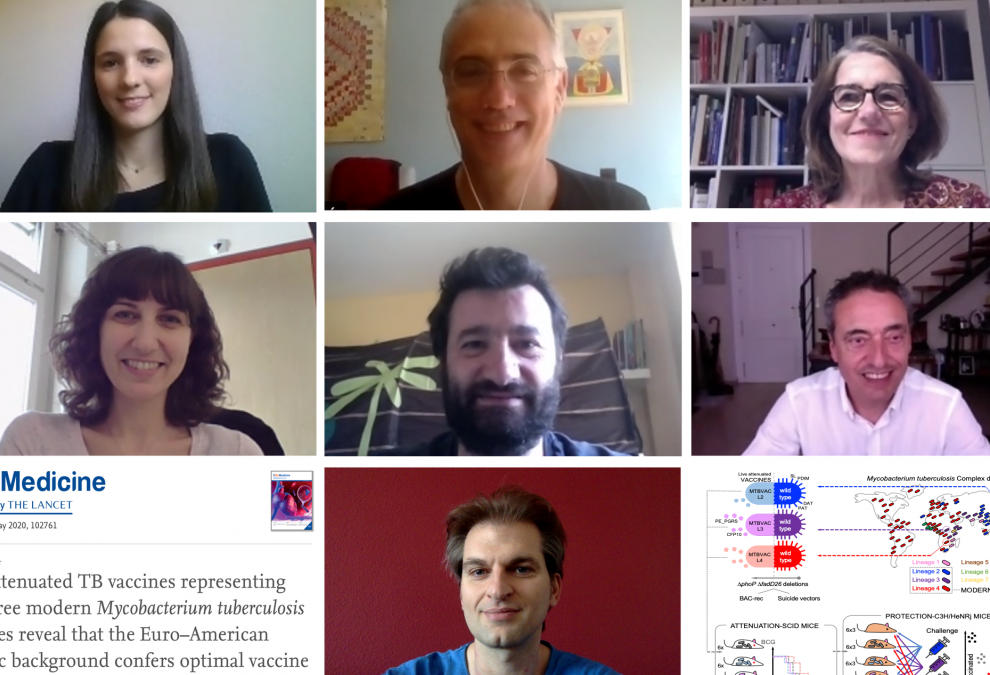
Research carried out over five years by researchers from the University of Zaragoza and the Pasteur Institute in Paris demonstrates that the MTBVAC vaccine from Carlos Martín's group protects against the most widespread lineages of the tuberculosis bacillus in Europe, Asia, Africa and America.
The MTBVAC tuberculosis vaccine, which the Mycobacteria Genetics group at the University of Zaragoza has been working on for more than 20 years, protects against the main strains that cause this disease in the world. The scientific journal EBioMedicine - from The Lancet group - has just published this new finding, which opens innovative perspectives for the use of this new vaccine in humans and allows us to anticipate optimal protection.
Research carried out over five years by scientists from the University of Zaragoza and the Pasteur Institute in Paris demonstrates that the MTBVAC vaccine – which could replace the current, century-old BCG vaccine – protects against the most widespread lineages of the tuberculosis bacillus in Europe. , Asia, Africa and America.
Just as no two people are alike, it can also be said that no two bacteria are identical. This is what happens with Mycobacterium tuberculosis, the bacteria that causes tuberculosis in humans. In fact, genetic analyzes show that there are up to 7 families (lineages) of this bacteria, of which lineages 2, 3 and 4 are those that cause the majority of tuberculosis infections in the world.
During laboratory experiments, researchers usually use the so-called “reference bacteria” which in the case of M. tuberculosis correspond to lineage 4. These reference bacteria make it possible to compare experiments carried out in Spain with those carried out in another country. , but they have the limitation that they do not reflect all the existing diversity of the pathogenic bacteria.
"We could use a cocktail of the three MTBVAC vaccines built in this work to universally immunize the population globally, as is done with the live polio vaccine"
For the last 20 years, the Mycobacteria Genetics group at the University of Zaragoza has been developing MTBVAC, a live attenuated vaccine against tuberculosis. The vaccine, which is in clinical trials, has demonstrated its effectiveness in laboratory animals against M. tuberculosis belonging to lineage 4.





