
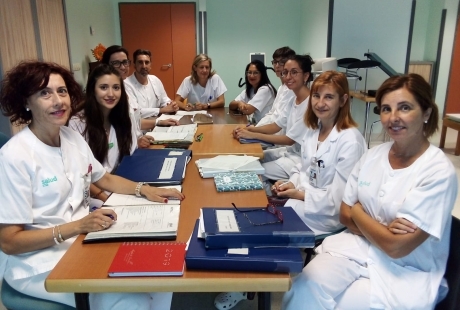
Servet promotes a national project for the humanization of Spinal Injury Units
19 July 2019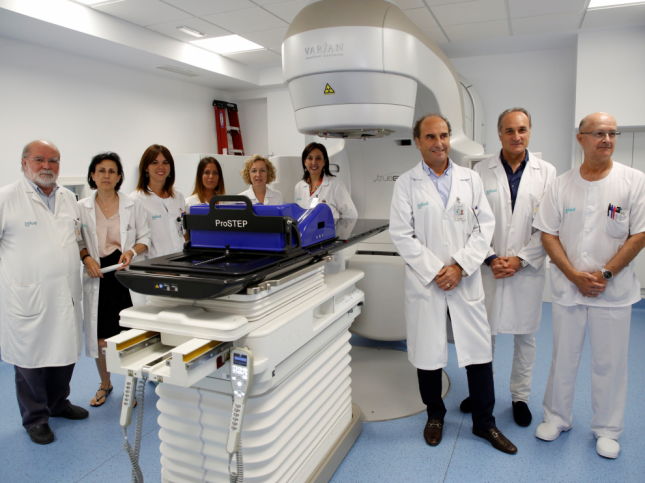
The Clinic increases radiotherapy treatments by 50% in recent months
22 July 2019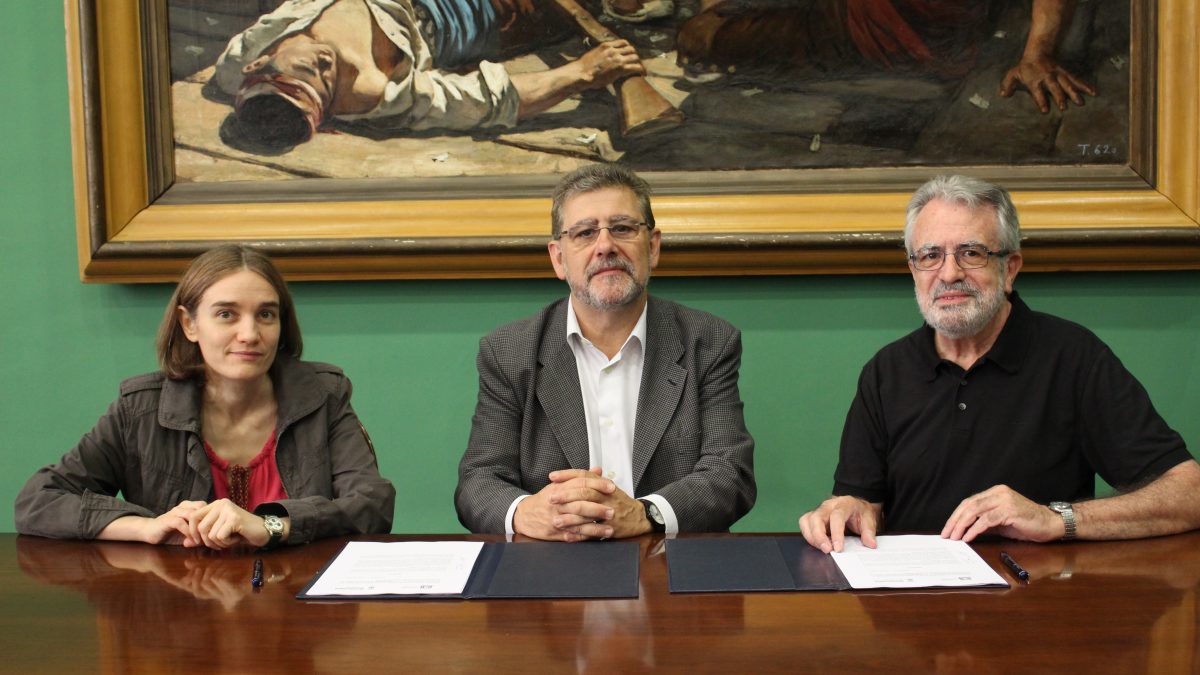
One in every 5.000 newborns suffers from this type of pathology, which is highly disabling and usually causes death before the age of 20.
The Association of Patients with Mitochondrial Pathology (AEPMI) signs an agreement with the campus and renews its trust in the Biogenesis and Mitochondrial Pathology group, led by Julio Montoya and María Pilar Bayona-Bafaluy
The Mitochondrial Biogenesis and Pathology research group at the University of Zaragoza, directed by Julio Montoya Villarroya, professor of Biochemistry and Molecular Biology, is a reference in Spain and Europe for the study of rare mitochondrial diseases, with more than 3.500 cases analyzed over three decades.
It is estimated that one in every 5.000 newborns has this type of pathology, which is highly disabling and usually causes death before the age of 20.
Mitochondrial diseases are a group of pathologies that, due to their low incidence, are considered “rare”, and are caused by alterations of the mitochondria – the main source of energy in cells. To continue supporting this type of research, the Association of Patients with Mitochondrial Pathology (AEPMI) has renewed its confidence in the work of the Biogenesis and Mitochondrial Pathology group, with the signing of an agreement with the University of Zaragoza.
Thanks to this agreement, endowed with 66.000 euros, the Aragonese public campus will continue to research these diseases with the aim of improving the quality of life of those affected by mitochondrial diseases, which are very difficult to diagnose, currently untreated, and to promote research. in this ambit.
For 30 years, this laboratory at the University of Zaragoza has been carrying out genetic-molecular studies of mitochondrial diseases, serving hospitals in a wide geographical area of Spain and abroad (some countries in Europe, North Africa, the Middle East and South America). ) and the pathogenicity of the new mutations found has been determined.
Mitochondrial diseases present multisystem involvement, are usually congenital and affect tissues that have a high metabolic demand such as the nervous, muscular, cardiac, ocular and endocrine systems. Mitochondrial disease is mainly due to a chronic loss of cellular energy, that is, cellular energy needs cannot be met.
These mitochondrial diseases can be caused by mutations in both the mitochondrial and nuclear genomes, which encode most of the cell's proteins. However, it is estimated that only between 15 and 30% of pediatric diseases, diagnosed as mitochondrial diseases, show mutations in the mitochondrial genome (mtDNA); The rest of the cases are caused by defects in nuclear-encoded mitochondrial protein genes (nuclear DNA).
With the signed agreement, this research group - made up of a dozen experts - will continue a new line of research into the nuclear genome of cells. The biochemist Pilar Bayona Bafaluy will be in charge of leading this new line of work that allows the “Confirmation of pathogenicity of mutations in nuclear DNA associated with mitochondrial pathology.”
“The diagnosis of patients with mitochondrial diseases at the molecular level is very complex due to the large number of nuclear genes involved and genes that have not yet been associated with human diseases,” says Julio Montoya. Therefore, being able to identify those genes that cause the disease, determine if they are really pathogenic and understand the mechanisms by which these diseases occur is an issue that remains to be resolved.
In recent years, the application of next-generation sequencing techniques has facilitated the discovery of new genes and mutations that cause clinically and genetically heterogeneous diseases.
“One of the problems we encounter when we find mutations in nuclear DNA is being able to determine which are pathological and which cause the disease,” insists Pilar Bayona. “To do this, first the mutations are looked for in the parents and, if both are carriers, there is further evidence of this pathogenicity. But, without a doubt, functional tests must always be carried out to determine its true pathogenicity, that is, verify in cells that the mutations found produce defects. Among them, after studying the metabolic failures caused by the presence of the mutation, it is about introducing normal genes into the cells to recover activity (healing at the cellular level).





