
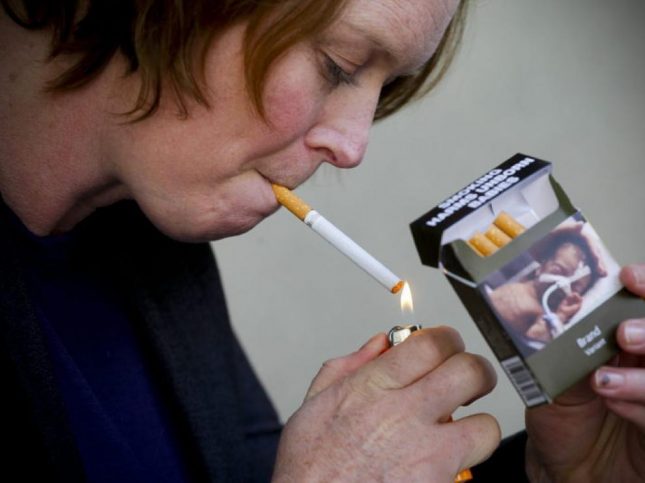
Women with blood group A, B or AB who smoke have a higher risk of stroke, according to a study
15 March, 2021
Nothing will be the same in the post-covid world
16 March, 2021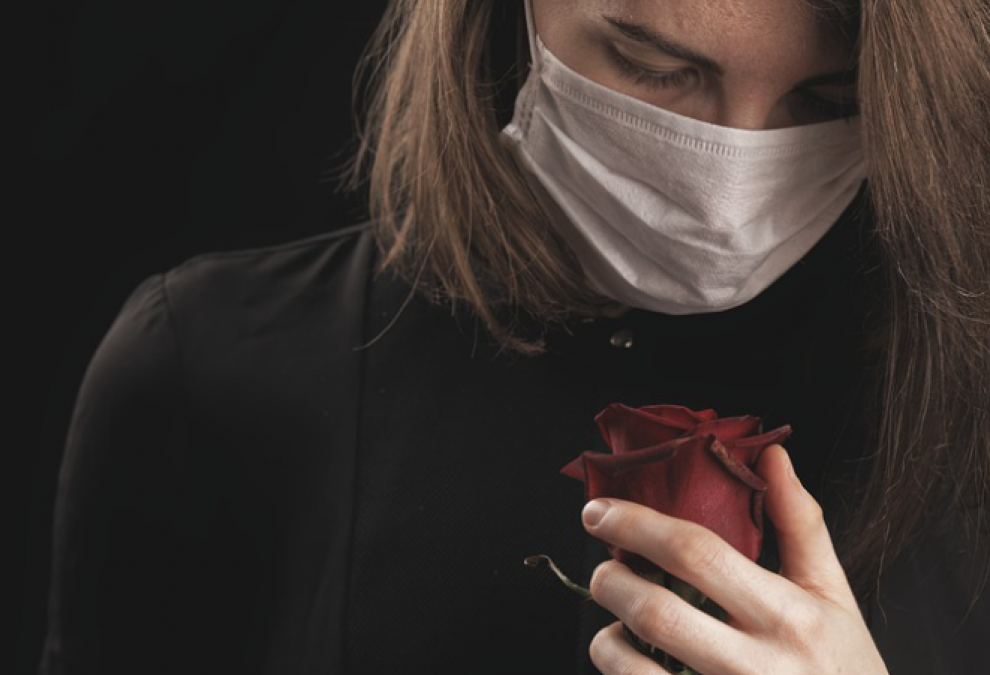
An international study led by scientists from the Complutense University and the San Carlos Clinical Hospital in Madrid confirms that the existence of this symptom in itself can serve to predict the lesser severity of the disease in the future.
Suffering from the loss of smell during Covid, one of the most common symptoms of the disease so far, usually predicts a good recovery and a good prognosis. It is the main conclusion of an international study led by scientists from the Complutense University and the San Carlos Clinical Hospital in Madrid, which has statistically certified a suspicion that doctors have been empirically confirming for months: that people who suffer from anosmia usually experience the disease in a milder way and, many times, more quickly and with fewer complications than the rest of patients suffering from other symptoms.
The research has been carried out on 5.868 patients admitted with loss of smell as one of the main symptoms. Although experts still do not know what causes the anosmia that so frequently accompanies the coronavirus, they did confirm that the existence of this symptom in itself can serve to predict the lesser severity of the disease in the future.
The researchers, who therefore point out the loss of smell as one of the key factors for making an early diagnosis, also discovered that olfactory and gustatory dysfunctions are more frequent in women (12,41% versus 8,67%), in under 65 years of age and in patients with kidney, lung, heart, neurological or oncological pathologies.
"These results have many implications, from the initial evaluation of patients to the ability to understand the pathophysiology. Possibly, the invasion of the nasal epithelium causes adequate immunity to be activated, avoiding cytokine storms," explained Jesús Porta-Etessam, head of the Neurology Section of the San Carlos Clinical Hospital, professor at the Faculty of Medicine of the UCM and first author of the work.
The results obtained on one of the earliest symptoms of the coronavirus can also serve - specialists understand - as criteria when classifying patients (risk indices) or making therapeutic decisions. In addition to the UCM and the San Carlos Clinical Hospital, the Madrid hospitals of La Paz, Infanta Sofía, Nuestra Señora de América, Puerta de Hierro and Getafe have participated in the study; the university hospitals Clínico de Valladolid, Virgen de La Arraixaca (Murcia), Álvaro Cunqueiro (Vigo) and that of Burgos; the Institute of Cardiology of Havana (Cuba); the General Hospital of the North of Guayaquil (Ecuador) or the San Carlo Clinic of Milan (Italy).
Already last November, a study by the Neurology Service of HM Hospitals concluded that 90% of patients affected by covid with anosmia recovered that function within 60 days, although this research, on 61 patients, did not assess the degree of severity of the contagion.





