
They develop smart shuttles to destroy tumor cells from the inside using heat and without drugs
14 March, 2022
Moderna begins Phase 1 clinical trial of its mRNA HIV vaccine
15 March, 2022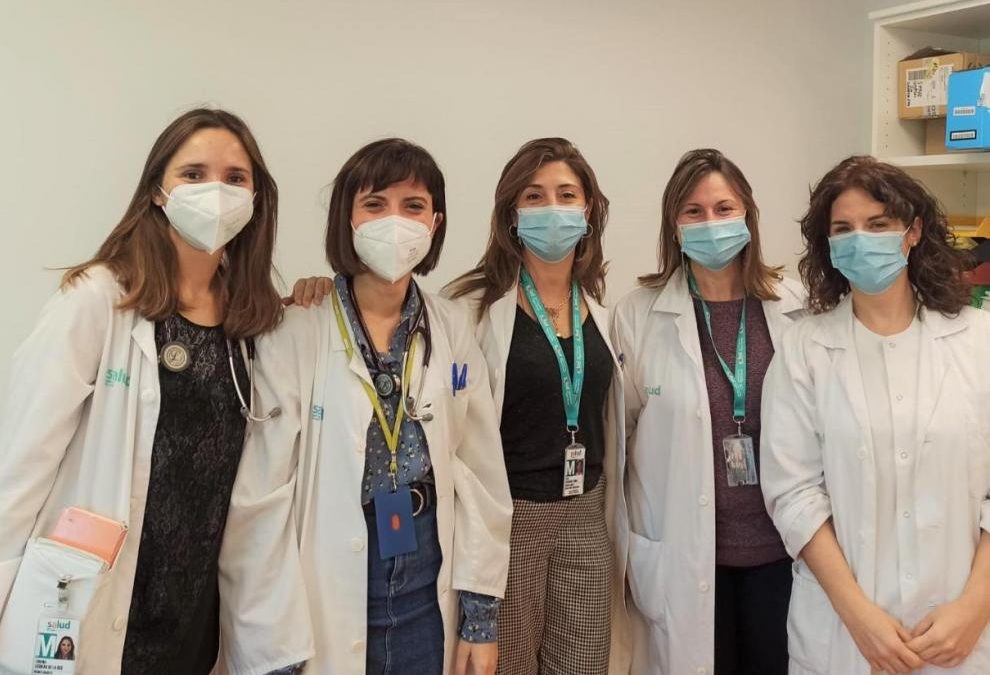
A team of Aragonese researchers discovered this variant and named it after the Aragonese scientist, who also refers to the hospital where they work.
A multidisciplinary team of medical professionals, belonging to the staff of the University Hospital Michael Servetus from Saragossa, detected a new type of hemoglobin during the first months of the coronavirus pandemic; after the publication of the corresponding study and inclusion in the Health system database, This hemoglobin has been named Michael Servetus, in honor of the hospital. We must not forget that the Aragonese scientist, a native of the Huesca town of Villanueva de Sijena, was persecuted for suggesting that blood flowed from one part of the heart to the other through the lungs, and not through the wall that separated the ventricles, being persecuted and executed for defending his ideas. Five centuries later, that persecution turns into celebration and tribute for the discovery of his illustrious colleagues.
Dr. Valle Recasens, hematologist and one of the researchers responsible for the discovery, explains that “Health regulations require that newborns undergo neonatal screening, commonly called the 'heel test', to rule out that the baby has sickle cell anemia, which is a hemoglobin disorder. This screening is universal, and the test is first destined for the biochemistry laboratory; If a hemoglobin variant that could cause problems is detected, the prevention circuit is launched. If it is confirmed that it is sickle cell anemia, it goes to our hematology laboratory and pediatricians.” First, chromatography is performed and then capillary electrophoresis, a biomolecule separation tool.
This condition is also known as sickle cell disease or sickle cell disease, which causes the red blood cells, due to this abnormal hemoglobin, to lose their natural shape, potentially obstructing small blood vessels and causing pain and damage to the organs. The ideal is to diagnose it as soon as possible to start treatment early to prevent future complications. This genetic hemoglobin disorder is hereditary, and is very common in black people.
Unregistered mutation
In this case, and although no evidence of sickle cell anemia was found, the initial test detected a striking peak in an enzyme. “We contacted the newborn's family, who is from Aragon, and a study was carried out on the parents, finding then that one of them was affected by this anomaly, although he did not present health problems,” explains Recasens. As this team is part of the National Circle of Erythopathology, Dr. Recansens and her pediatric oncohematology colleague Carmen Rodríguez-Vigil contacted the San Carlos Clinical Hospital in Madrid, specifically with Dr. Paloma Ropero, who after the corresponding analysis determined that the variant sent from Zaragoza was not previously described.
“Sometimes amino acids mutate,” explains Dr. Recasens, “and although this mutation does not have a direct impact on the newborn, nor does it directly affect their health, this new variant must be described and registered. Dr. Ropero asked us what name we wanted to give him and we decided on Miguel Servet. “We published an article with the study and the variant was entered into the database.”
The baby who received screening and presented the anomaly did not show any signs of sickle cell anemia, and is in perfect condition. Her parents - only one was revealed to be affected by this variant - are also healthy.
Source: Heraldo de Aragón





