
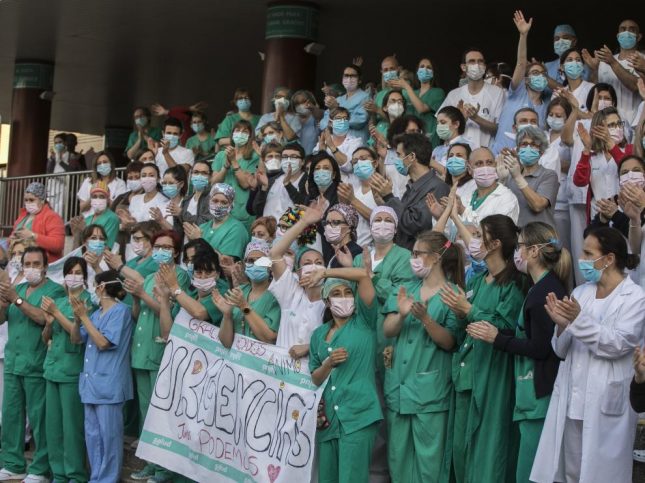
The Princess of Asturias Award for Concord rewards Spanish healthcare workers on the front line against covid-19
4 June, 2020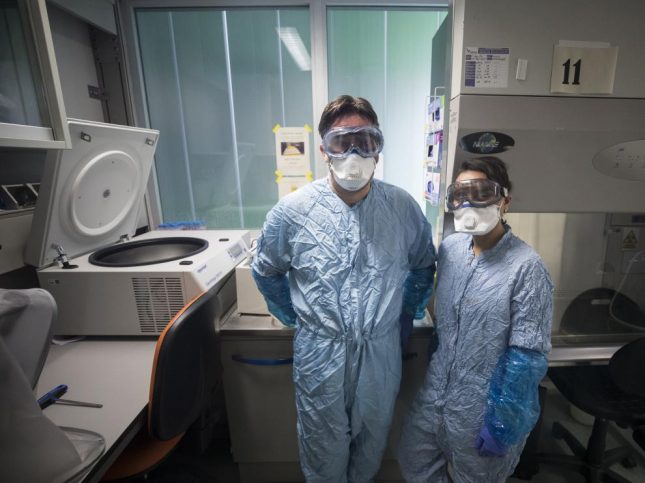
We enter the covid laboratory of the Aragón Biomedical Research Center
8 June, 2020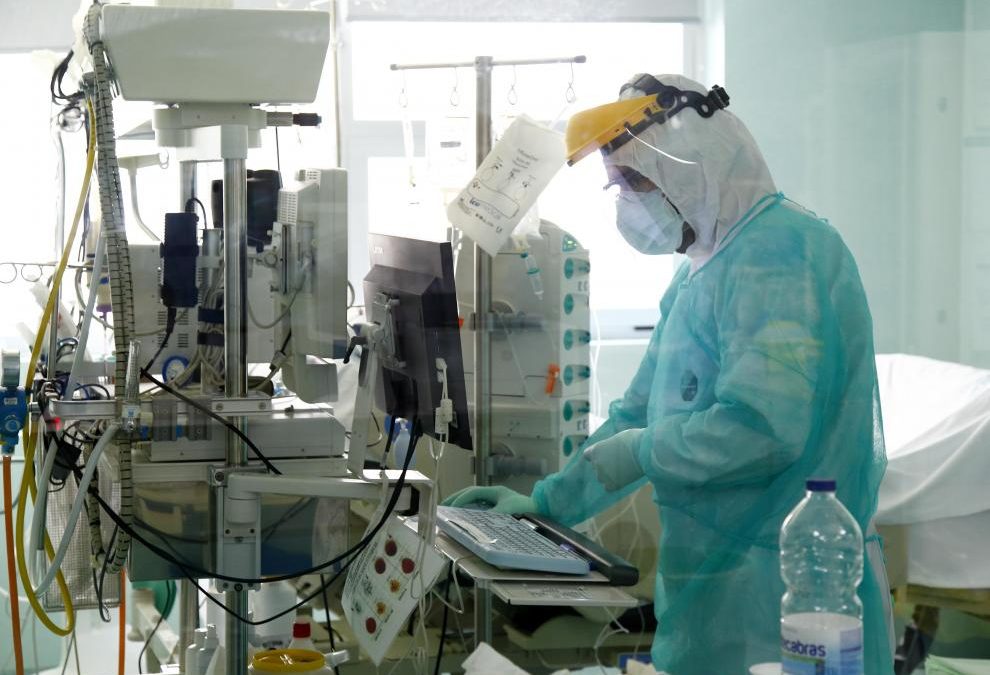
Covid-19 can reduce oxygen levels in the body without causing serious breathing problems until the situation worsens.
“An older man came to the office, suffering from general fatigue and some cough but without other suspicious symptoms. In general, he felt fine, he had led a normal life, he did not complain about anything. He was accompanied by one of his daughters, who was also unable to report any previous problems in the patient, beyond the cough that had brought him to the consultation. I ran some tests on him, and as a precaution I checked his blood oxygen saturation level. He gave a 92, so low that he couldn't believe he was reading the device right. We immediately transferred him to the hospital, where they had no choice but to intubate him. He had never seen anything like it. "Later I found out that the man fell and died."
Dr. Marta del Río works at a health center in a town near Barcelona and remembers that patient well, one of the first to visit her office in the initial stages of the pandemic in Spain. At that time, little was known about the symptoms of the new coronavirus, which were adding to each passing day. That patient suffered from something that is easy to overlook: silent hypoxia.
Unlike other respiratory diseases, Covid-19 can slowly deprive the body of oxygen without initially causing breathing problems. By the time some patients experience shortness of breath or feel pressure in their chest (some of the symptoms listed as urgent warning signs), they are already in a serious situation.
At the Zaragoza Clinical Hospital they encountered many cases like this, especially in the first weeks of the health crisis. “It was surprising that the patients, without expressing greater respiratory difficulty than in the previous hours, had lower oxygen saturations. When they were re-evaluated, the lung auscultation and chest x-ray had worsened,” explains Dr. Carla Toyas, from the Internal Medicine service.
In these cases, the virus enters the body and begins to eliminate oxygen but without causing dyspnea, difficulty breathing characterized by an increase in the rigidity of the lungs that causes pressure in the chest, alerting us to the problem. This causes faster breathing and the expulsion of more CO2. So, while you have the feeling of being well, you actually begin to saturate below the normal numbers, which are well above 90, and can end up around 60, a dangerously high blood oxygen level. low. The lips may then acquire a slight bluish tone. By the time dyspnea and chest pressure arrive, the situation has already worsened and urgent intubation is needed.
“The level of oxygen in the blood is not as dangerous as the effort the patient makes to breathe. When this level drops too much, the lung muscles are exhausted, the patient breathes very quickly and shallowly, the heart suffers, collapse is an imminent risk,” explains another internist who prefers to remain anonymous. “Patients spent a minimum of 15 days intubated until they could breathe on their own again, although many have been in that situation for up to a month,” adds Dr. Toyas. “The intensive care doctors had to explain to the patients the procedure to follow, that they were going to intubate them before they had lung failure, because in other pathologies, when the oxygen saturation in the blood is so low, the patient is not exactly in conditions to speak,” says this doctor, who has been on the front line of health care in the center.
Perhaps in the first weeks of the incidence of the new disease in Spain, back in March, citizens were not clear about the circumstances under which they should go to the emergency room, or perhaps on the contrary "they endured the symptoms at home until they could no longer cope." more and they showed up at the hospital," explains the Servet intensive care doctor.
The magazine 'Diario Médico' echoes this symptom of the new coronavirus, and experts have not yet carried out exhaustive studies on whether the early detection of silent hypoxia can improve the prognosis of covid-19.





