

Spanish scientists collaborate in the creation of artificial eggs using stem cells
August 18, 2020
Two people from Zaragoza sneak into the Spanish final of the scientific monologue contest
August 19, 2020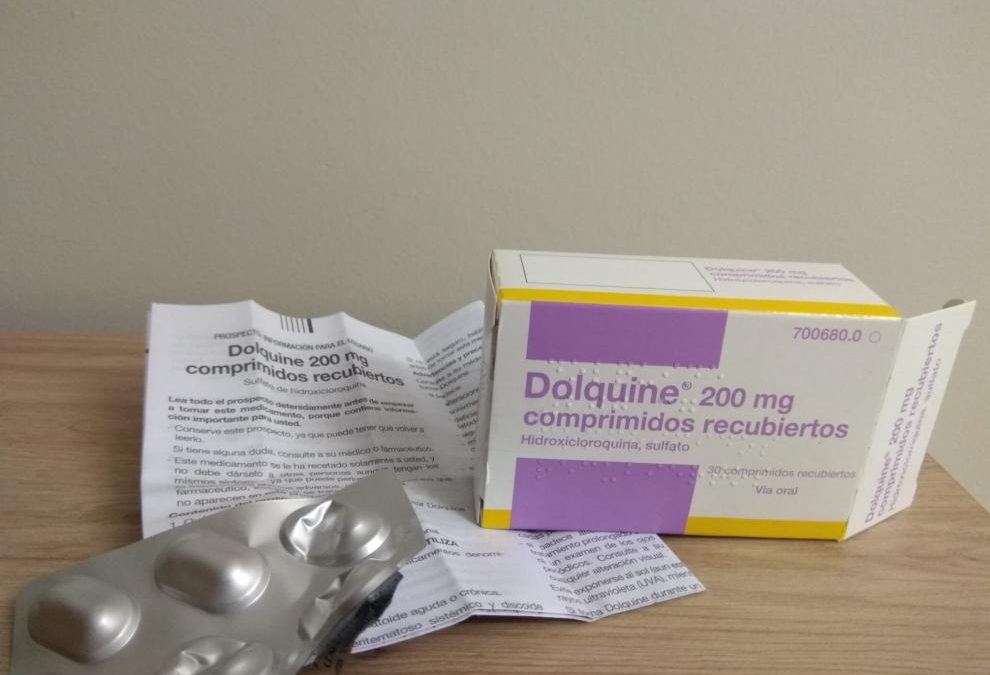
According to one study, hydroxychloroquine, like other treatments, "is not uncommon to show promise in the laboratory, and then prove ineffective."
Researchers from Case Western Reserve University (United States) have shown that hydroxychloroquine is not effective in preventing covid-19 in patients with lupus and rheumatoid arthritis (RA), which points to a broader interpretation of the drug as a preventive medicine. ineffective for the general population.
Many researchers have focused on patients with systemic lupus erythematosus (SLE) and RA because hydroxychloroquine is frequently taken by these patients. Anecdotal reports in the early stages of the pandemic showed that these patients were not getting Covid-19.
Early researchers then explored hydroxychloroquine in the laboratory and found it effective against the virus in addition to its already established anti-inflammatory properties, so testing in people for prevention or treatment initially showed some promise. Since those early tests, several more recent studies have shown that the drug is not effective in treating moderate or severe cases of hospitalization. Treatment in the early stages of the disease or in mild cases is still being studied.
"Our study shows, with a high degree of confidence, that hydroxychloroquine is not effective as a preventive antiviral in people with SLE and/or RA who take medications that suppress their immune system, putting them at greater risk." Given the way it is structured the study, a polite extension can be made that it is not effective in preventing covid-19 in people without those conditions. "It is not uncommon for something to show promise in the laboratory, and then prove ineffective in the more complex biological landscape of humans," explains study leader Mendel Singer.
The team drew on a large national database, extracting data from de-identified patients from 36 health systems, to compile a much larger study than previous work, which examined patients with SLE and/or RA and their health outcomes related to HCQ use. In the previous studies there were less than 20 covid-19 patients with SLE and/or RA; in this study there were 159. This study showed that patients with SLE and/or RA who contracted Covid-19 were just as likely to be taking hydroxychloroquine as patients with SLE and/or RA who did not contract Covid-19.





