
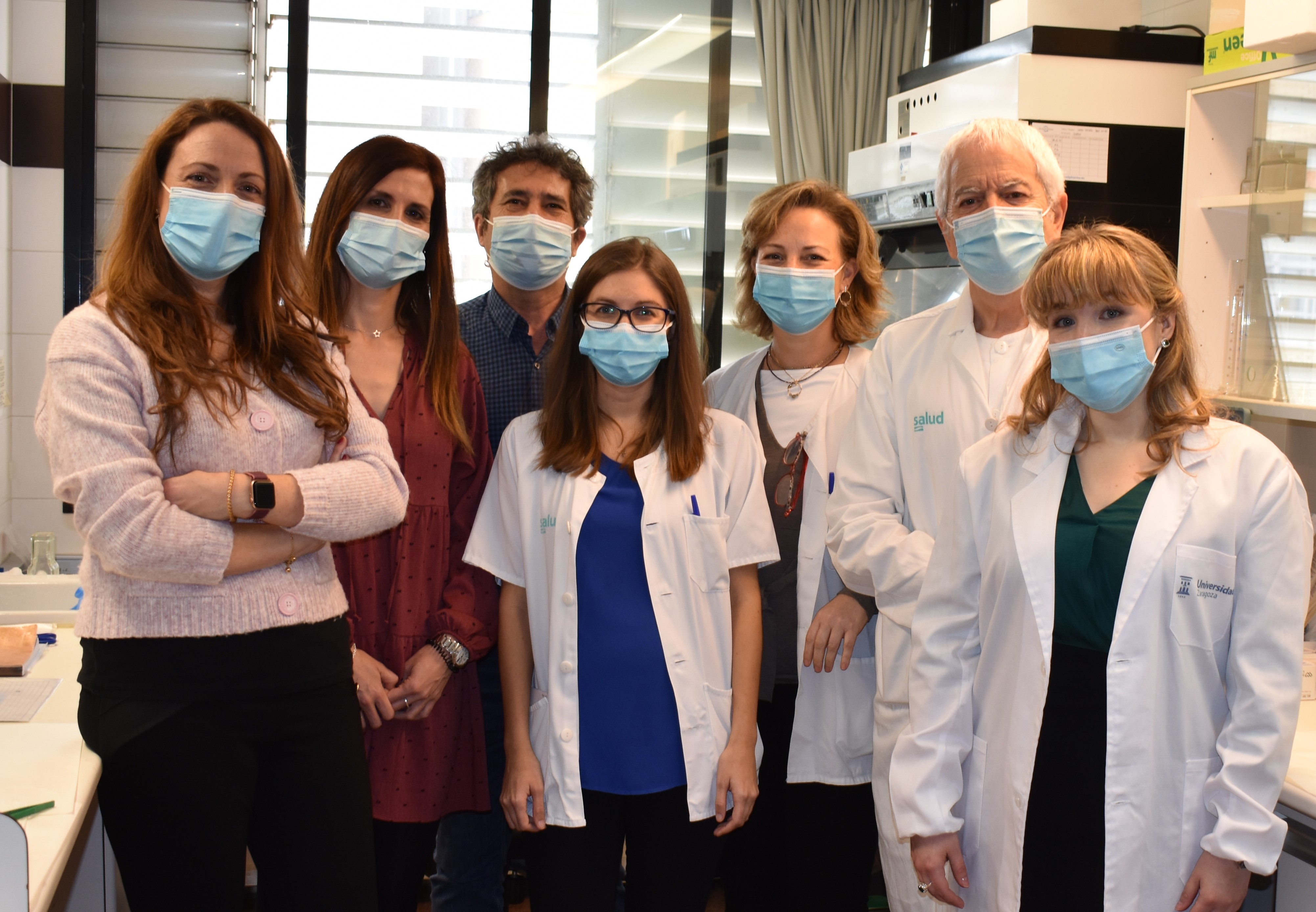
They demonstrate the effectiveness of NK cells or "natural killers" in the treatment of hematological tumors, such as leukemia or multiple myeloma
19 February, 2021
Certest is committed to achieving a messenger RNA vaccine prototype at room temperature in three years
22 February, 2021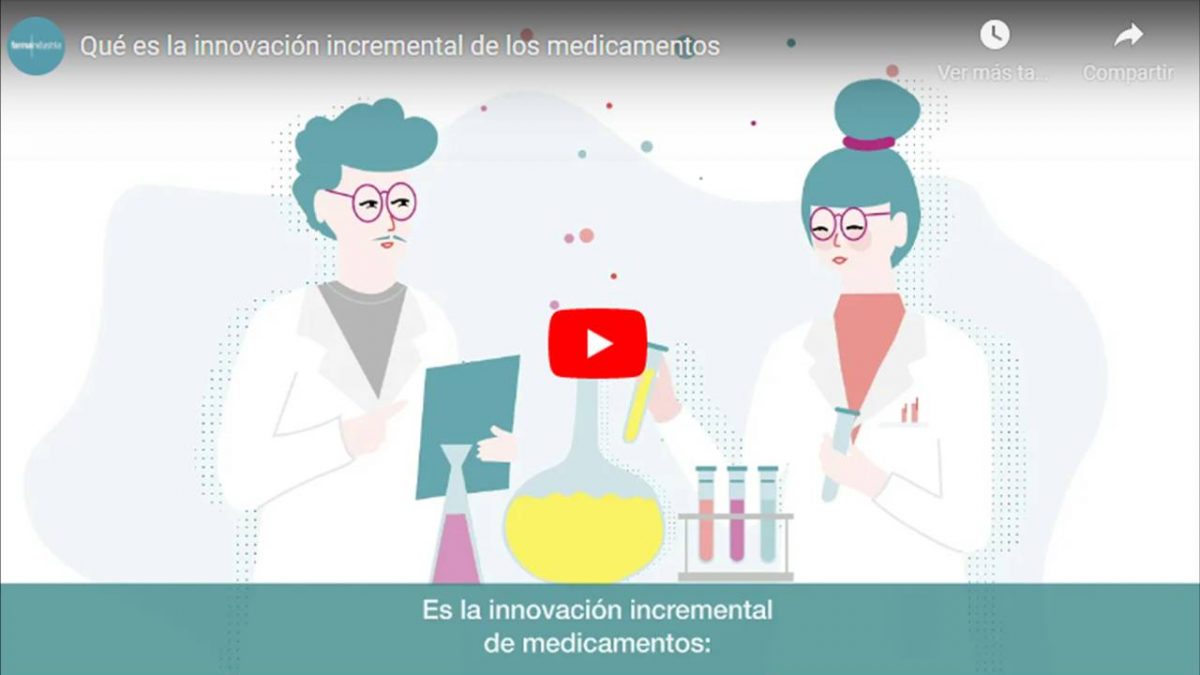
- A video from Farmaindustria explains in two minutes what this key process of treatment R&D consists of.
- This type of innovation is highly valued by patients and healthcare professionals because it improves quality of life and clinical practice.
- There is a lack of greater recognition from health authorities to promote these advances and give patients more options.
In therapeutic progress, radical or transformational innovation is fundamental and occurs when, for the first time, a medicine based on an absolute novelty is discovered and marketed for diseases that have no cure or no treatment.
But there is another innovation in medicines, almost as important as the transformational one, but much more unknown. It is the so-called incremental innovation, which is born from the analysis of the use of drugs that already exist, seeking to incorporate modifications or improvements that benefit patients and the health system. They are medications to which, starting from an initial therapeutic approach, an improvement is added or a new use is found for another disease.
Incremental innovation is, therefore, the natural continuation of radical innovation and can be classified into six large groups: medicines that represent an evolution of another already consolidated medicine and that improve its effectiveness or tolerance in certain patients; medications that combine several active ingredients in a single drug, to avoid taking many pills, a very important factor in the case of older polymedicated patients; medications that modify their pharmaceutical form to facilitate their taking in certain groups of patients; medications that are used for diseases other than those for which they were created, since when used in clinical practice they prove useful for other pathologies; medicines that include devices that facilitate their use, especially in the case of injectables and treatments that are more complex than taking a tablet or for patients with limited motor abilities, and medicines that incorporate digital applications to improve their control and monitoring.
With the aim of improving the knowledge of general society about this type of innovation, Farmaindustria has prepared an informative video that summarizes, in just two minutes, what incremental innovation in medicines is. Through simple illustrations with examples of treatments that represent the value that these advances have for patients, professionals and the health system, the audiovisual piece aims to bring this information to all audiences in a simple, affordable and enjoyable way.
“The so-called incremental innovation is a quieter, quieter process of drug improvement than that of disruptive innovation. It is a change that affects the drugs we already use, improving them little by little, an evolution that responds to the needs and demands of the patients and doctors themselves. They are variations in the formulation and original concept of the medicine that generate notable advantages for patients and health professionals, such as greater speed of action, ease of use or improvements in the effectiveness of the compound and in the patient's adherence to the treatment," underlines the director. from the Technical Department of Farmaindustria, Emili Esteve. Such advances, he adds, "also contribute to savings and efficiency of the health system, since greater adherence or compliance with treatment by the patient implies greater control of their disease and, therefore, lower risk of relapses and need for other treatments." health resources.”
However, this recognition given by patients and healthcare professionals to the notable therapeutic contribution of these innovations is not always recognized by regulators and payers. “There are cases in which, despite its interest for patients, caregivers, families and doctors, as well as the investment made in clinical development and its additional contribution in terms of effectiveness or savings, the innovation incorporated remains without recognition to the be equated by the reference price system with classic presentations, simply because they share the same active ingredient,” laments Esteve.





