
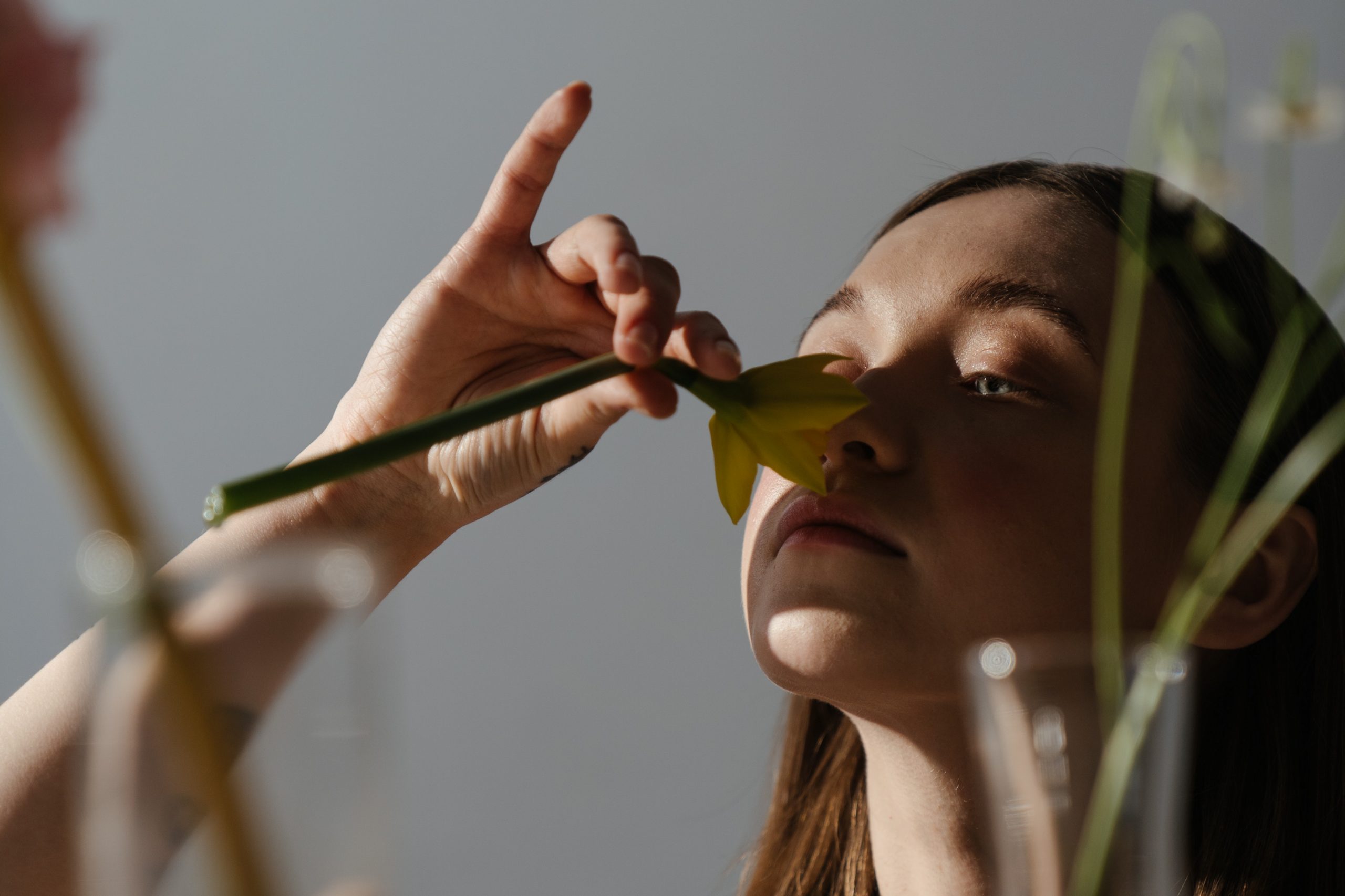
Why it is better to breathe through the nose
16 February, 2023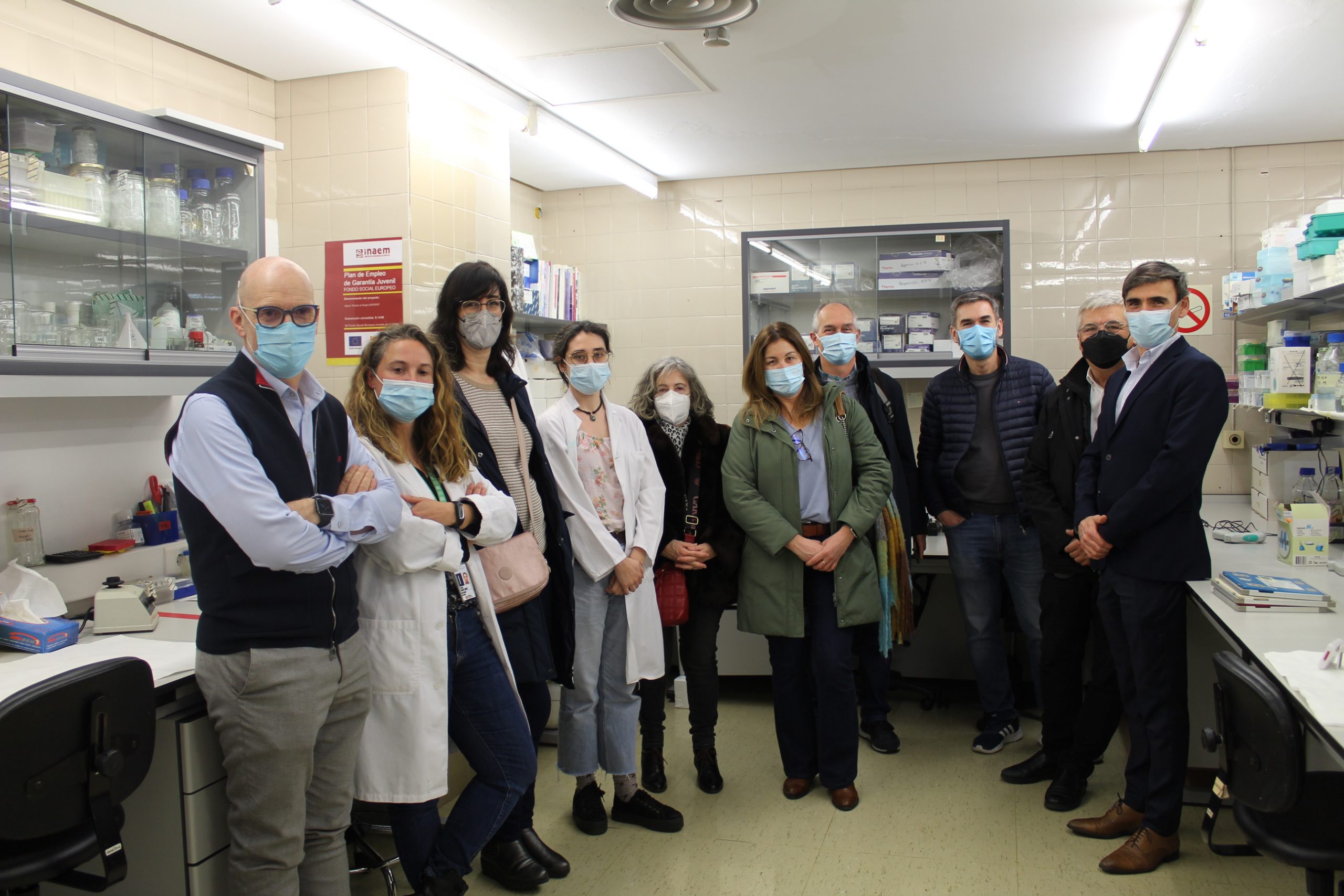
The association of children with Cancer Faro, from La RIoja, visits the IIS Aragón
16 February, 2023
Home Sweet Home! Home, that place where we feel so comfortable, so safe, is it really a safe place for our health? Maybe not.
When I watched the series House, I was struck by the fact that, in many of the cases that the famous doctor treated, he visited the house where the patient lived, looking for evidence to try to find out the origin of their ailments. And it is not surprising since, according to an AIMC study, we spend about 15 hours a day in our homes or, in other words, 62,3% of our daily time. If we add the hours we spend in our workplaces, means of transport and in closed leisure spaces, it rises to 90% of our time. Women and those over 65 years of age are those who spend the most time in their homes.
Interior generation
This circumstance has given us the label of domestic generation (indoor generation in English). We are becoming indoor people who only receive natural light and fresh air at specific times such as the way to work, school or the supermarket.
To make matters worse, the covid-19 pandemic confined us to our homes to protect ourselves, strengthening the popular sentiment that “like at home, nowhere.” Now more than ever, we consider our home as a safe place to shelter, a place of intimacy and retreat.
However, the data tells us something very different. More than 100 deaths and illnesses occur in Europe each year due to inadequate housing conditions.
For health to suffer, it is not necessary to go to the extreme of living in unhealthy homes due to lack of hygienic or structural conditions. The majority of our houses, the majority of homes in Spain, Europe or Argentina, enjoy optimal habitability conditions. And of course, by living in comfortable and safe homes we do not consider that they may pose a risk factor for our health. But it is a mistake.
So what happens within our walls?
We have no doubt about the negative impact that city pollution has on our health. But 77% of Spaniards are unaware that the air inside their home can be up to 5 times more polluted than the air outside.
We like to build, set up and decorate our homes in such a pleasant and comfortable way that, at certain times, we don't even feel like leaving them. Without realizing it, we are creating an artificial nature within our home: we replace natural light with artificial, fresh air with fragrances, the heat of the sun with radiators...
We are also not aware of how many daily activities generate pollution: cooking, cleaning, showering, sleeping or having pets and plants. In the end, we create an artificial environment that can make us sick.
Building-related illness
The terms “building-linked disease” and “sick building syndrome” can mislead us: it is not the building that gets sick, but its occupants. The World Health Organization defines this syndrome as the set of discomforts and diseases that a building causes in its occupants and whose origin is in the materials that make up the building or in its environment.
The symptoms that people suffer from these causes are often non-specific and they refer to them as a discomfort that is not associated with any particular origin. On other occasions they can result in irritation of the eyes, nose and throat, hoarseness, skin rashes, non-specific hypersensitivities, nausea, dizziness, vertigo, headache and mental fatigue.
Solutions
How can we improve the environment of our homes to avoid this? With several simple measures to apply:
- Ventilate all rooms in our house three to four times a day for 10 minutes, promoting cross ventilation.
- Open the windows when cooking or after bathing to prevent moisture from accumulating and prevent the development of mold that causes health problems.
- Whenever possible, use microfiber cloths and natural materials for cleaning, such as white vinegar. Be careful with mixing products from which toxic substances can be derived. For example, mixing bleach with ammonia releases a gas that is highly toxic.
- Clean and ventilate carpets, a haven for mites and bacteria.
- Make sure that as much natural light enters our home as possible. Ideally, curtains and blinds should be fully open during daylight hours.
With everything and with that, the best remedy for our health is to go outside, enjoy the air, sunlight, heat, cold or rain. In addition to taking advantage of these outings to move and increase daily physical activity, thus reducing our sedentary lifestyle.
Read the article on the original website, clicking on the button below this text.
Source: The Conversation. Authorship:
Clara Isabel Tejada Garrido
Full Professor of the Nursing Degree at the University of La Rioja, University of La Rioja





