Forty years breaking new ground in Aragonese research
October 5, 2026
The IIS Aragón actively participates in the REGIC 2026 Conference held in Cádiz
October 7, 2026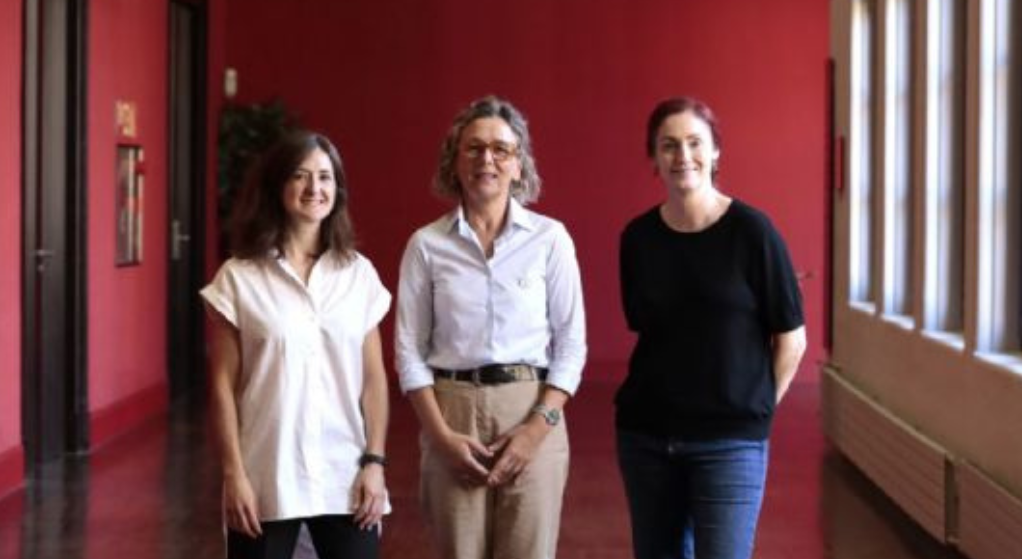
The University of Zaragoza presents the educational short film AMORE, a proposal that combines science and dance to explain how age affects eggs, pregnancy and embryonic development
Spain is among the European Union countries where motherhood is most delayed. In the last four decades, the average age of women at the birth of their first child has risen from... 25 years in the Making to overcome the 31 years in the Making, while the fertility rate remains around one child per womanDuring that same period, the number of births has been reduced by approximately half since 1980.
The trend of delayed motherhood reflects a complex social reality involving educational, professional, economic, and personal factors. However, this trend encounters a biological limit: female fertility declines progressively with age. According to data released by the University of Zaragoza, the monthly probability of natural pregnancy is estimated at around 25% at age 25but it falls to approximately 10% around age 40.
The reduction in fertility begins to be noticeable from the 30 years in the Making and becomes more pronounced from the 35 years in the MakingThis is a stage in life where the risk of chromosomal abnormalities, such as trisomy 21, and pregnancy loss also increases. This reality makes scientific information about fertility and reproductive age a matter of social interest, especially for those who wish to plan their family with greater knowledge.
With that goal born LOVE, acronym for Providing Perspectives on Oocytes, Reproduction and Age, a short film produced by the University of Zaragoza It aims to provide the public with accurate information about the relationship between age and fertility. The piece combines scientific evidence and contemporary dance to address a complex topic using a visual and accessible language.
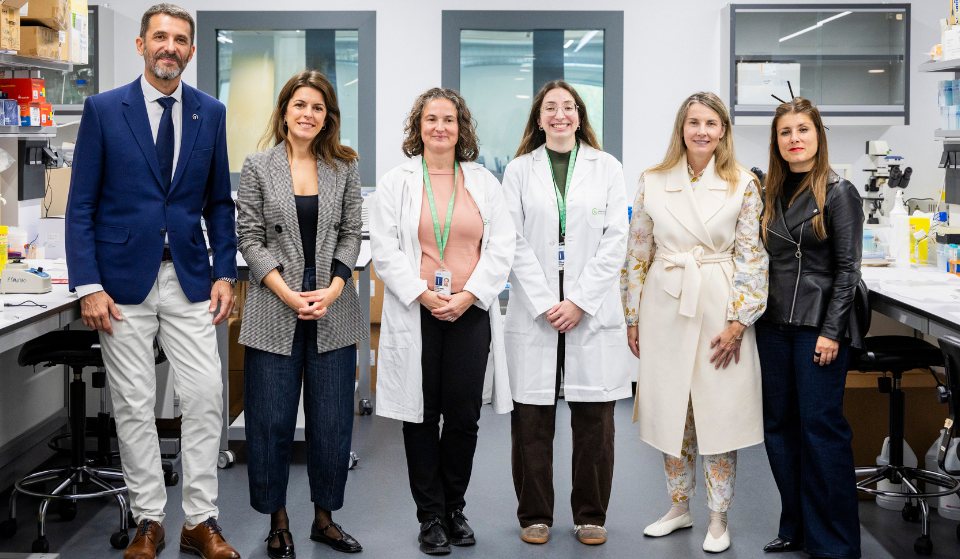
The film will be presented on Thursday. 8th October 2026at 18:30hThe event will take place in the Pilar Sinués Hall of the Paraninfo Building at the University of Zaragoza. It will be presented by the Vice-Rector for Scientific Policy. Pilar Pinaand will include a subsequent round table discussion with the researchers María Climenty Raquel Pérez, authors of the project and specialists in Embryology and Epigenetics; Antonio Urries, director of the Assisted Reproduction Unit at Quirónsalud Zaragoza; and Antonio Valdovín, director of the short film.
The initiative is funded by Spanish Foundation for Science and Technology from the Ministry of Science, Innovation and Universities, and with the collaboration of the Spanish Fertility Society y Quironsalud.
Infertility is not an exceptional situation either. According to the World Health Organization, approximately one in six people of reproductive age Many people will experience infertility at some point in their lives. In this context, having clear information about how reproductive capacity changes with age can help people make more informed decisions about parenthood with less uncertainty.
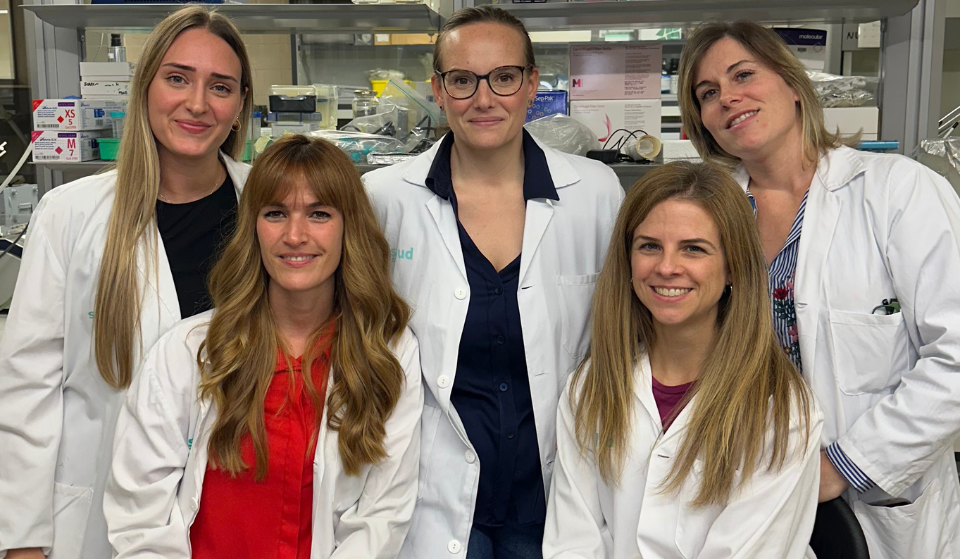
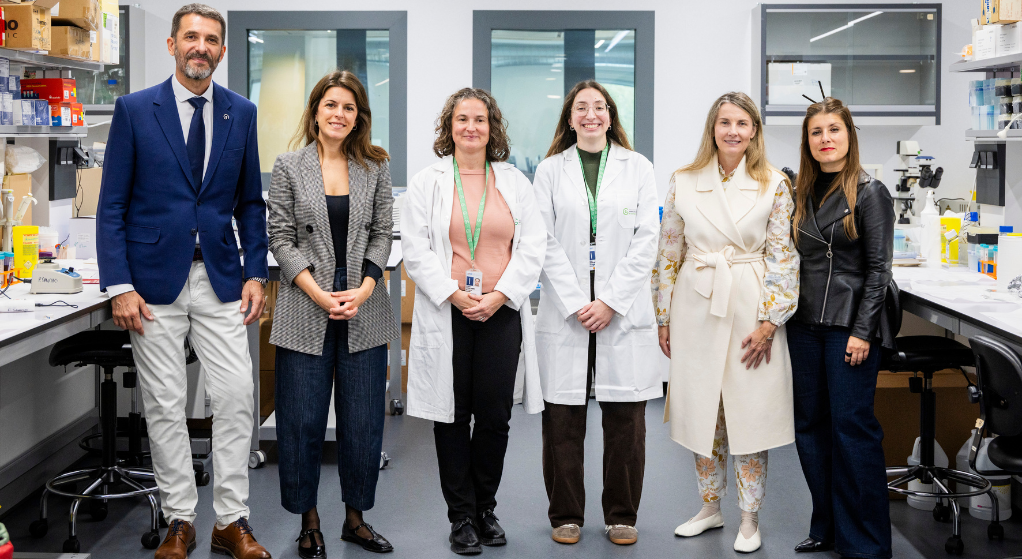
The project is led by María Climent y Raquel Pérez, professors from the Department of Anatomy and Embryology and Animal Genetics at the University of Zaragoza and researchers linked to Aragon Health Research Institute and Aragon Agri-Food InstituteHer work analyzes how maternal age causes changes in gene regulation and how those changes can influence proper embryonic development.
The researchers explain that, in disseminating their research, they detected a lack of information about the consequences of delayed motherhood in different social contexts. Therefore, they decided to develop an educational tool to raise awareness and inform young people about what happens to eggs over time.
LOVE It doesn't simply explain science with words. Contemporary dance is an essential part of the narrative, translating into movement the emotions, doubts, and uncertainties related to reproductive aging and motherhood. In this way, the short film combines scientific data, artistic sensitivity, and expert testimonies to bring an intimate and socially relevant topic closer to a broad audience.
The work includes voices from leading researchers and professionals in assisted reproduction, embryology, and molecular biology, among them Diana Guallar, from CiMUS; Deborah Bourc'his, from the Institut Curie in Paris; Rita Vassena, from the Spanish Fertility Society; the professors Ignatius of Blaisey Pedro Muniesa, from the University of Zaragoza; and the embryologists Antonio Urries y Patricia Fauque.
Following its presentation in Zaragoza, LOVE will begin a program of screenings and roundtables in Zaragoza and Santiago de Compostela, in addition to participating in the Utebo Film Festival and national and international festivals. The project thus places the debate on motherhood, fertility, and reproductive age in a public forum where science seeks to offer clear answers to a reality that is increasingly present in Spanish society.
Source: The Notion