
International research reveals that the "jumping genes" that cause cancer date back 3 million years
26 February, 2021
The San Jorge de Huesca hospital enhances its research and teaching function with the first related professors
1 March, 2021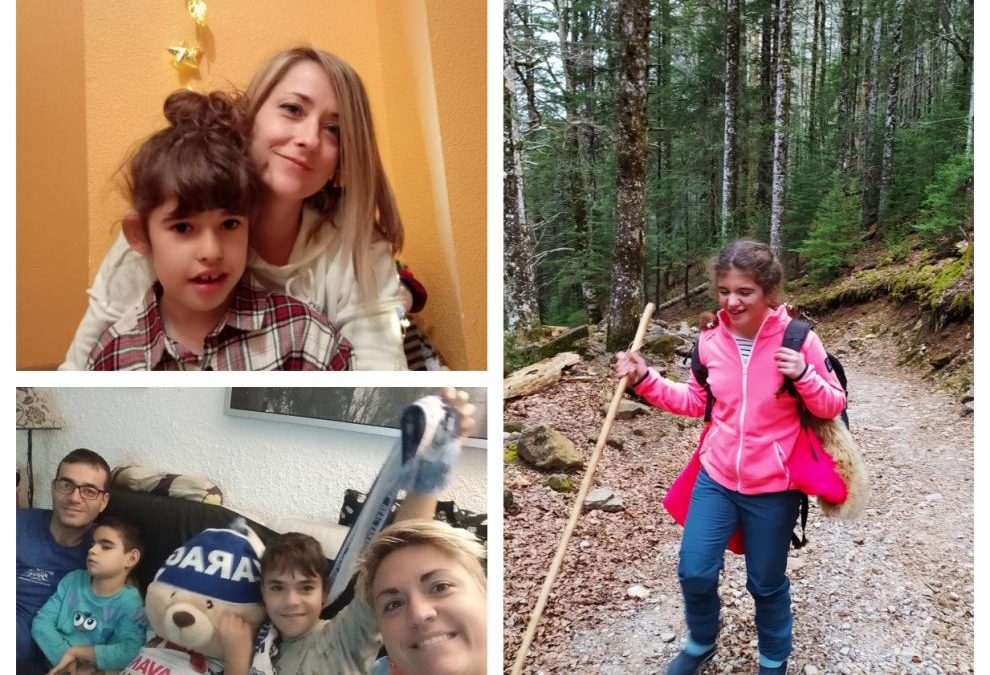
This Sunday marks the world day that aims to give visibility to these ailments, many still unnamed, which are estimated to be suffered by 90.000 people in Aragon.
In another strange year like this second pandemic, the month of February is missing one day, the 29th, World Rare Disease Day, chosen on purpose for its peculiarity of appearing on the calendar only every four years. The celebration, which is brought forward to this Sunday, wants to give visibility to these little-known ailments. In Aragon, it is estimated that around 90.000 people suffer from one of the various syndromes that are classified as rare, detected in most cases among children.
"This is an estimate because there are cases that are not diagnosed or we know that it is a rare disease but we still do not have the name," explains Mirella García, vice president of the Somos PERA association (Rare People and Diseases of Aragon), which groups the group in community.
From that moment when the family begins to detect that something is wrong with their child, until the doctors manage to give him a name, "an average of five years" can pass, he estimates. A long and hard road of questions without answers, consultations with specialists and tests, without knowing what they are facing. The association offers the possibility of giving voice and sharing experiences among the 90 families that make up it, including those of some relatives and collaborators.
"These diseases have no cure. "What we are looking for is to try to provide treatment to alleviate and provide the best possible quality of life."
"These diseases have no cure. What we seek is to try to provide treatment to alleviate and provide the best possible quality of life," he explains, about the harsh reality of these cases. Most patients have a disability because the disease affects motor and cognitive levels and many are highly dependent. This is the case of her son Lizer. He is eight years old and specialists still cannot find the "last name" for the epileptic encephalopathy that he suffers from. He suffers from a high disability, deafblind, does not speak, does not walk and does not control his sphincters. "They think it's a genetic mutation," as happens in 80% or 90% of cases, but they continue doing tests to find out which one.
"When they give you the diagnosis it is something that destroys your ideal of life," he confesses. They noticed there was a problem when she was only four and a half months old. "The good thing is that if you know the name you can know if there are more cases, know the evolution in the future and if there are treatments that alleviate these symptoms," she points out. It is estimated that there may be 7.000 different rare diseases. "There are cases that are unique and have not been studied," she says.





