
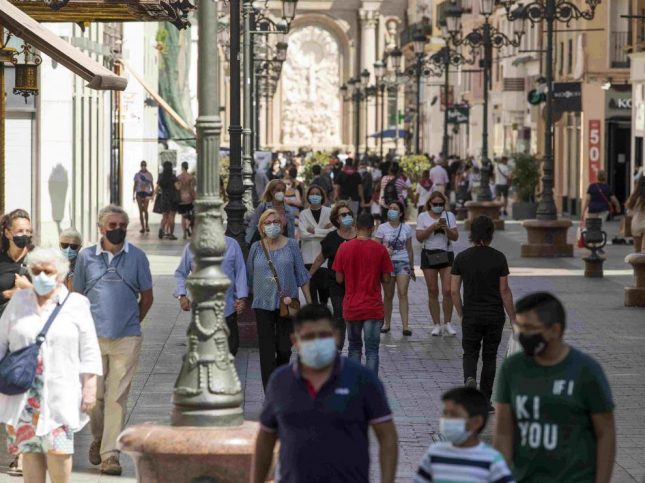
A study suggests that a single dose of Pfizer or Astrazeneca does not neutralize the Delta variant of covid
9 July 2021MSCA Postdoctoral Fellowships 2021
9 July 2021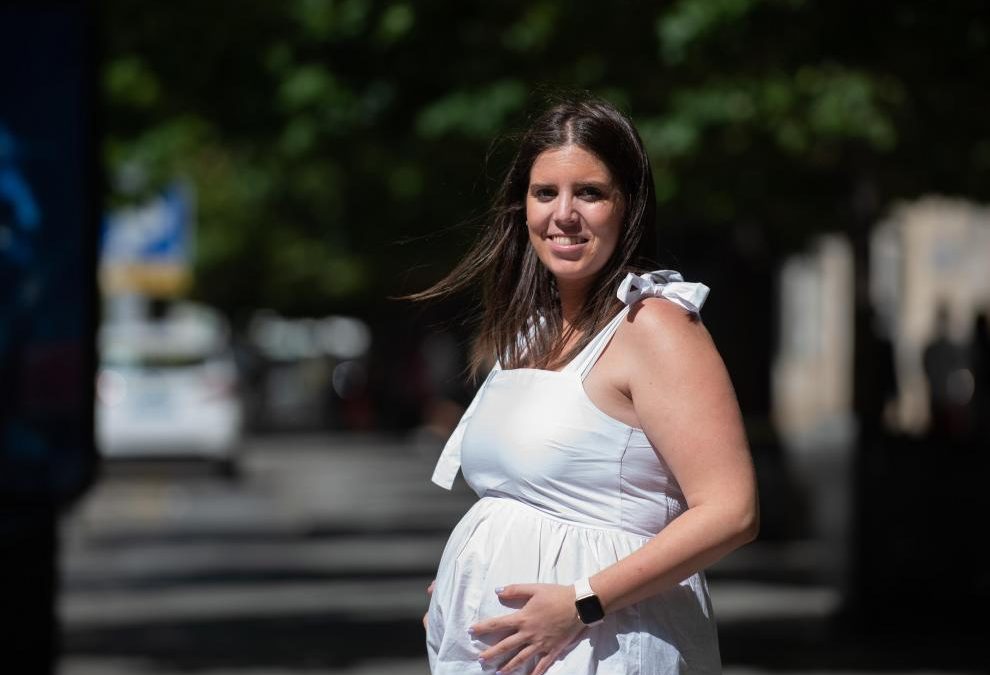
The gynecology and nursing associations agree in recommending immunization of the group, given the doubts of some women, who were initially asked to wait.
Victoria Alfonso She is 29 years old and 25 weeks pregnant. He just got vaccinated against Covid-19. After many turns to the decision of whether to get immunized or not, he has ended up taking the step, now that he has been able to make an appointment. The vaccination schedule reaches the ages in which there are more pregnant women.
At the beginning of the vaccination process, pregnant women were advised to wait for more studies on the possible effects. Now, with more knowledge about the virus, Gynecology and nursing professional organizations agree on recommending vaccination, although many mothers continue to go to consultations with doubts.
"At the beginning of pregnancy it was still said that pregnant women should not get vaccinated. Then we had doubts. More than about yourself, you think about the baby," confesses the young woman, a first-time mother, who is expecting a girl. "The other day I had an appointment with the gynecologist and I asked him the million-dollar question: 'Should I get vaccinated or not?' "He told me yes, that it was my decision, but that in the second and third trimester the covid is more aggressive for pregnant women."
He talked about it with his partner and they made the decision. This week she made an appointment as soon as her age group opened and she was vaccinated this Thursday at the point installed in the Zaragoza neighborhood of Casetas, in the municipal pavilion. Continue taking the same precautions as since the start of the pandemic. Continue carrying the mask on the street. "I live in sobradiel and only when I go out alone in the countryside to walk the dogs do I take it off a little," she says.
"I prefer not to get vaccinated"
However, There are mothers whose decision they have made is the opposite. "I prefer not to get vaccinated. I am in week 36 and from the first day the gynecologist has told me to have it first and then, if I want, I get vaccinated," says Miriam Abenoza, a 30-year-old hairdresser from Zaragoza who is expecting a child. She already has a 4-year-old daughter. In her case, she has been "very clear" about not getting vaccinated from the beginning and has had the support of her doctor. ""If there are people who put it on and are afraid, imagine those of us who are pregnant.", Add. His doubts focus on the reaction it may cause or if it affects breastfeeding in any way.
She is especially careful with infection prevention measures, she even considered not taking her daughter to school this year. "Now that outbreaks are being heard everywhere again, I haven't even dared to go to the beach. "I have a month left and since everything is going, it's better to stay calm at home."
"High risk" population
Professional organizations such as the Association of Gynecology and Obstetrics of Aragon (AGOA) and the Zaragoza Nursing College agree in recommending vaccination of the group. "Today it is much more dangerous to catch covid than to get the vaccine", says Daniel Orós, a gynecologist member of the first association. The official recommendation is to get vaccinated once over 20 weeks. He explains that it is mainly due to the fact that the published studies have been done with pregnant women of that profile. Inmaculada Cuesta, nurse, midwife and national secretary of the National Association of Nursing and Vaccines (Anenvac) remembers that in the national vaccination strategy of the Ministry of Health, in whose preparation he collaborates, it is now allowed that they can be vaccinated "at any time." It highlights that "It is very important that health personnel strongly recommend vaccination", and do not put the weight of the decision on the pregnant woman.
According to the recommendations of the Federation of Spanish Medical Scientific Associations (Facme), "the risk of complications associated with Covid-19 infection, for both the pregnant woman and the fetus, is greater during the third trimester of pregnancy."
Orós affirms that "obstetricians and gynecologists have been fighting so that they could be vaccinated from the beginning," but we had to wait for the results of the first studies. In any case, of the vaccines authorized in Spain, only those from Pfizer and Moderna, those of messenger RNA.
These vaccines are the ones that have been analyzed for this group and the General Nursing Council agrees that "they are safe and effective" for them. The organization has presented this week with Anenvac a guide to resolve doubts. From the latter they warn that if the woman becomes infected during pregnancy "she has increased risk of developing severe covid-19, but also of premature birth, preeclampsia and blood clots", especially in the third quarter.
Orós defends that the group should have been a priority within the vaccination schedule because "It is a high-risk population". They fall within the groups that are advised to be immunized against the flu every year. With vaccination, antibodies would be passed to the fetus, he explains, so the baby is already born "protected" and ensures that there is no "contraindication" to breastfeeding.
Facme's recommendations include separate the whooping cough vaccine by a few weeks that is inoculated to pregnant women, aimed at ensuring that the fetus has antibodies. But it is not necessary to wait between vaccination and trying to get pregnant, nor should it be interrupted because you received the vaccine without knowing that you were pregnant. The vaccine "neither causes infertility nor increases the risk of spontaneous abortion," the nursing guide adds.
In it one is aware that "In the end, the last decision will be the mother's," but they recommend that in case of doubt you consult with the professional who controls your pregnancy. risk level of exposure to the virus, since "teleworking is not the same as serving the public," is given as an example. "The benefit is always more than the risk", concludes Cuesta, insisting on vaccination.





