

Conjunctivitis, a new omicron symptom?
24 January 2022
Specialists from the Clínico and Servet hospitals perform the first liver transplant in Aragon by donation in asystole with ECMO support
24 January 2022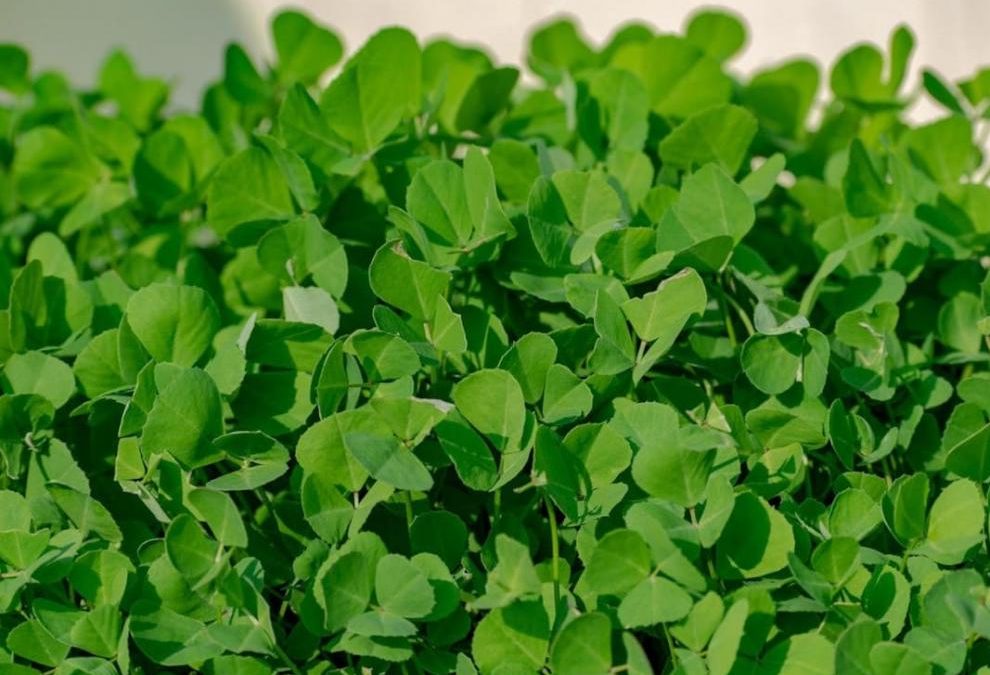
Unknown to the general public, it can be consumed in capsules or integrated into cooking. Its properties are unique.
As the years go by, science and the promotion of healthy living are teaching us to eat better and healthier. In this experience, the discovery of interesting foods to incorporate into our diet has intensified. Products, sometimes unknown to the majority of the population, whose benefits are beginning to become a reference in the world of food. Benefits that also go beyond losing weight or reducing caloric intake.
Although in the current context, strengthening the immune system and preventing diseases are already recognized as primary objectives, lowering cholesterol continues to be one of the variables most sought after by consumers. Nutritional value and properties are increasingly being reviewed for quality and quantity. There are foods that are easy, in this sense, to find in a supermarket: different kinds of fruits and vegetables, nuts, dairy products and seeds that have become fashionable in recent years.
But there are also more exotic ones, distributed to organic supermarkets, herbalists or specialized food stores. An exclusivity that, although it is also paid, enjoys a unique quality. Among these foods, we can find plankton (multivitamin), okra (cholesterol reducer), maca (libido increaser), kimchi, xanthan gum (intestinal transit regulator), noni (sugar regulator), lychee (rejuvenating) or amaranth. (hair health enhancer). Names that may not even sound familiar to us, but that bring together very different healthy functions. Some of these products are usually found in capsule or powder format, and can be consumed in different ways. In this line, shakes or smoothies are very popular.
In addition to those mentioned above, the 'superfood' par excellence that reduces cholesterol and fights anemia is fenugreek, also known as hu-lu-ba or fenugreek. Of oriental origin, it is a herbaceous family of legumes that can be applied without problems to any type of cuisine. The leaves and seeds of your plant can be used as the most nutritious part. It is commonly used in woks and salads, and its leaves can be eaten raw or cooked. It is also sold in capsules and its use goes further, being applicable to the skin as a healing remedy.
Among the benefits of fenugreek, whose ancient use is most successfully promoted in Asia, the following stand out:
- Reduce the cholesterol: Minimizes bad cholesterol levels by preventing its absorption.
- Fight anemia: rich in iron and nutrients that increase red blood cells.
- Increase muscle mass: accompanied by exercise in a bulky diet, it is a great ally for its hormone production.
- Fight malnutrition: Suitable for people with appetite problems, since its high protein and carbohydrate content makes up for deficiencies.
Source: El Heraldo de Aragón





