

Beatriz Parejo: «In both sport and science you have to fight»
13 December, 2021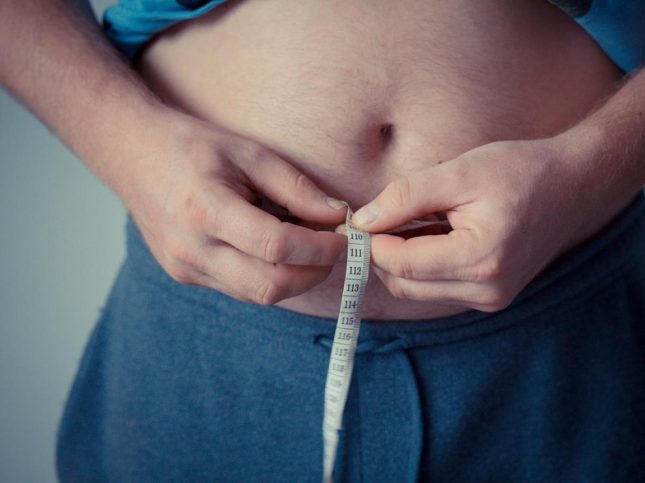
A group of Spanish researchers discover a new therapeutic target against obesity, in mice
14 December, 2021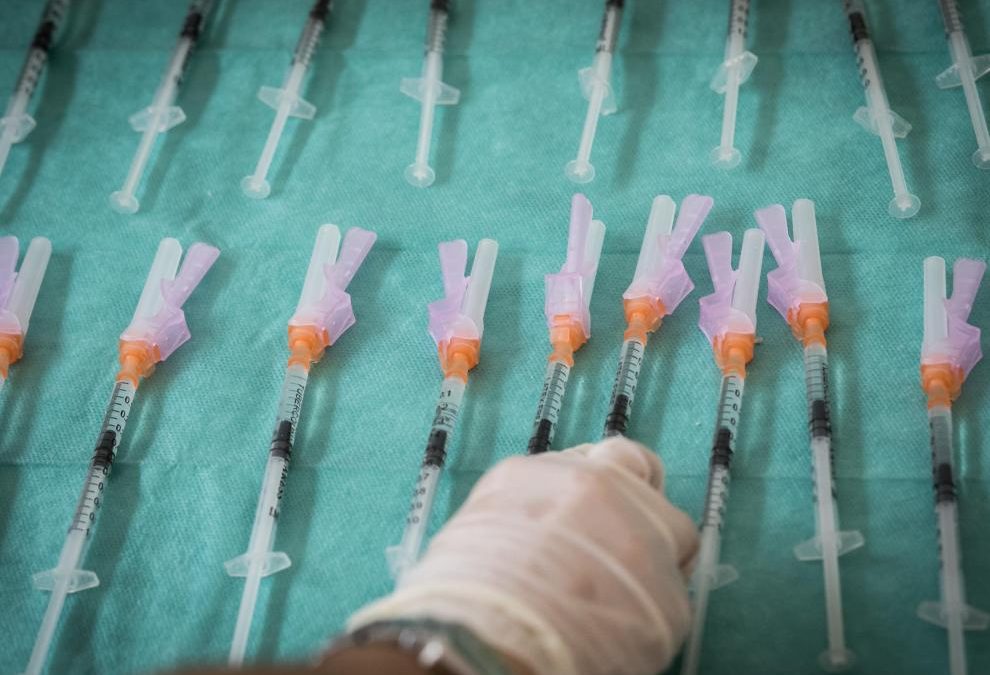
According to one study, this first contact imparts different properties that impact the immune system's ability to protect against variants, and also affects the rate of protection decline.
New research from Imperial College London and Queen Mary University of London (United Kingdom) has shown that the first SARS-CoV-2 spike protein that a person encounters, whether through vaccination or infection, determines your subsequent immune response against current and future variants.
That is, according to their findings, which have been published in the journal 'Science', this first contact imparts different properties that impact the ability of the immune system to protect against variants, and also affects the rate of decline of protection.
Antibody levels are known to decrease over time after infection or vaccination, but this new research shows that an individual's protective immune responses are also affected by the strain or the combination of strains to which you have been exposed.
Each variant of SARS-CoV-2 has different mutations in the spike protein, and the researchers found that these shape the subsequent antibody and T cell responses (the immune repertoire).
"Our first encounter with the spike antigen, whether through infection or vaccination, shapes our subsequent pattern of immunity through immunological imprinting. Exposure to different spike proteins can lead to reduced or enhanced responses to subsequent variants. This has important implications for vaccine design and dosing strategies in the future," explains Rosemary Boyton, from Imperial's Department of Infectious Diseases.
This new study examines the 'immune imprint' in healthcare workers after two doses of the Pfizer vaccine to understand their immune response to infection with the variants of interest. The researchers compared protective immunity among people infected in the first wave with the original strain, or in the second wave with the Alpha variant.
In people infected in the second wave, three encounters with different spike proteins (i.e. with post-infection Alpha sequences and two doses of vaccine) resulted in lower protective (neutralizing) antibody responses against the original strain and the Beta variant, but higher against the Delta compared to encounters with three of the same spike sequences (i.e., all with the original sequence from the first wave through infection and two doses of vaccine).
The study also showed that neutralizing antibody responses against the variants decay differentially over time after these encounters with mixed spikes.
There were several cases of Delta breakthrough infection in individuals vaccinated with two doses in the study. Spike antibody levels measured three weeks after the second vaccine dose were high, but actual levels of protective neutralizing antibody responses against Delta had dropped to zero five months after your second dose.
However, A third dose of the original spike of a booster vaccine raises the antibody response. "These results highlight the importance of the third booster dose of the vaccine in reducing transmission of the virus," says Professor Boyton.
The researchers emphasize that, despite advances in infections, immune responses to vaccination remain effective in preventing severe illness and death from COVID-19 compared to the Alpha, Beta, Gamma and Delta variants.





