

This artificial intelligence predicts my stomach cancer
8 February, 2022
How to know if you have had covid and you have not found out
8 February, 2022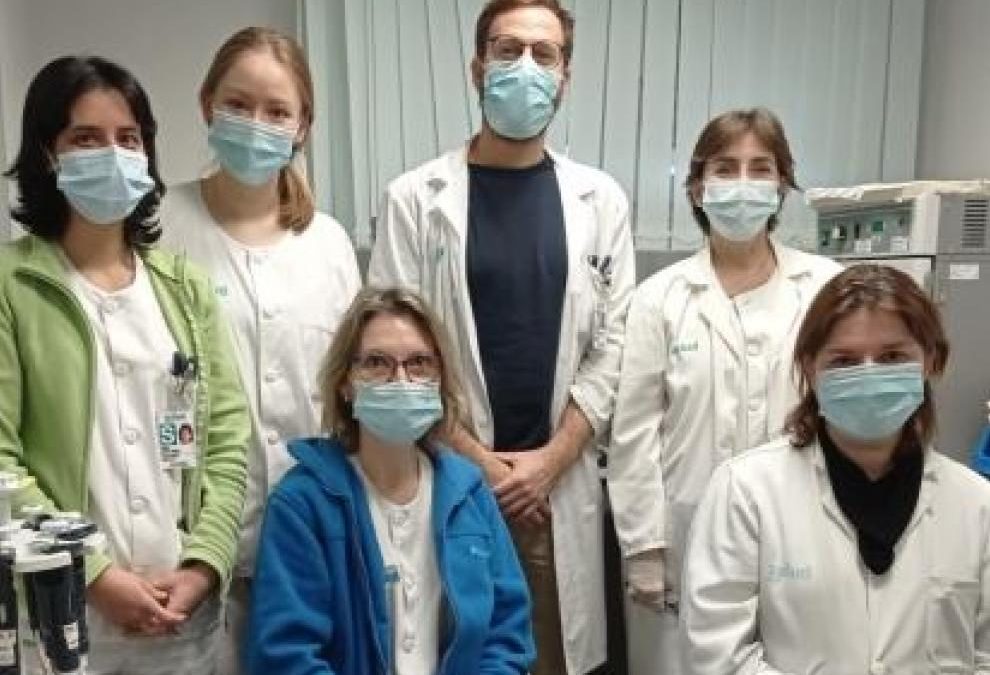
ISO 15189 is a specific standard that ensures the quality of clinical laboratories that could soon be mandatory in Spain
The genetics laboratory of the Miguel Servet University Hospital (HUMS) in Zaragoza has achieved quality accreditation by ISO 15189, a specific standard that ensures the quality of clinical laboratories. This recognition may soon be mandatory in Spain.
Obtaining this accreditation means that an external agent, authorized and independent of the organization has examined each of the work processes and has verified that there is a guarantee on the operation of the laboratory, as well as the ability to meet the necessary technical requirements to ensure that the information issued in that laboratory is timely and vital for clinical diagnosis, the Government of Aragon has pointed out in a press release.
The Genetics section of HUMS It is the largest in Aragon and more than 8.000 studies are carried out annually, of great importance for the user, and key in the decision of the treatments to follow.
Overall process
Furthermore, quality in the laboratory is a global process that covers technical aspects, related to the training and qualification of personnel, content of the report and means of communication of results.
This process is something fundamental in a genetics laboratory, since from this result, sometimes, clinical decisions that are relevant not only for the patient but also for family members, have indicated.
At the moment, accreditation by ISO 15189 has been obtained by ENAC for carrying out genetic studies of Fragile Fragile-; Huntington's disease; Myotonic Dystrophy type 1 -Steinert's Disease-; Hereditary thrombophilias; hereditary hemochromatosis type 1; Celiac Disease; Azoospermia and severe oligospermia -deletions of the Y chromosome-.
At present, The objective is to advance in the accreditation of other studies of two large genetics working groups: The area of Cytogenetics, aCGH, which includes pre- and post-natal diagnoses, and in the area of molecular, pharmacogenetics and massive sequencing, especially in hereditary cancer.
Source: Heraldo de Aragón





