
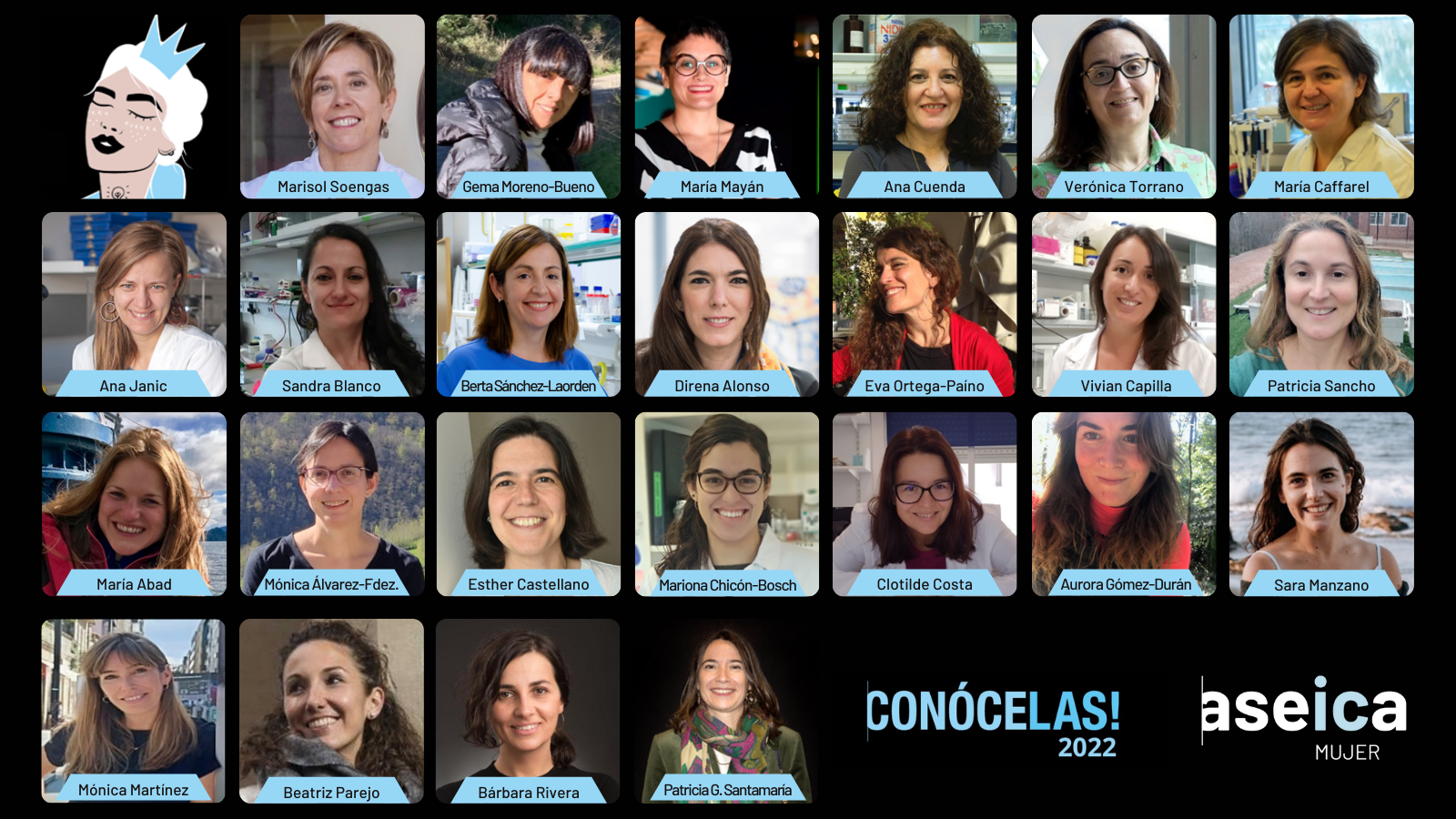
Researchers from IIS Aragón will talk about cancer with schoolchildren from the community on the occasion of the International Day of Women and Girls in Science
7 February, 2022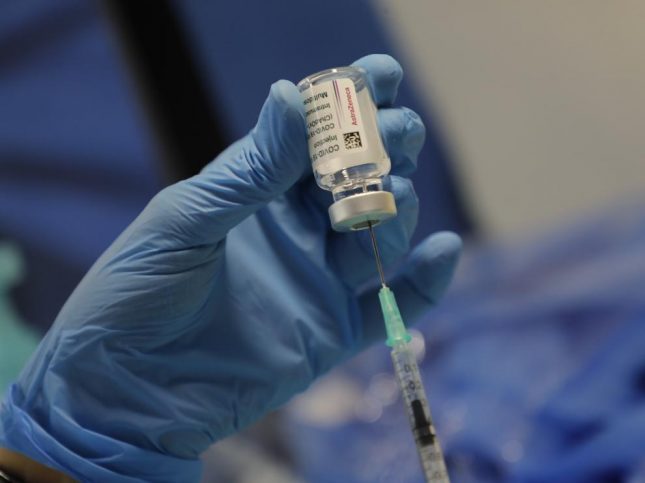
New antiviral against covid with 83% effectiveness, who is it aimed at?
8 February, 2022
Isolation, fear of contagion, uncertainty or loneliness due to the pandemic increase anxiety and depression. Professionals are once again demanding more public resources to address psychological disorders that are going to increase.
Fear of contagion, isolation, lack of social contact, loss of loved ones, unresolved grief, loneliness, uncertainty about what was happening, economic and work problems... The pandemic of Covid broke out in March 2020, leaving in its wake an increase in anxiety and depression, emotional discomfort, sadness, an increase in episodes of serious mental disorders and suicidal ideas. Psychological well-being has suffered a serious setback due to this health emergency and has been especially affected by the child and youth population, who saw their routines altered by an unknown illness.
The pandemic has increased healthcare demands related to these types of disorders. The Aragonese Association for Mental Health (Asapme) recognizes that they have provided psychological and psychiatric care to many more people than before covid and have redoubled their efforts to reach almost 20% more minors. Psychologists and psychiatrists warn of the increase in cases after almost two years of continuous tension. "We have confirmed that the demands for attention have increased by around 10% and we observed an increase in anxious-depressive symptoms", emphasizes Lola Sobrino, head of Psychosocial Care at Asapme. "And it manifests itself both in people who suffer from these pathologies for the first time and in those in whom they have worsened," she adds.
The change in daily habits, the reduction of social contacts and leisure alternatives have also had a negative reflection on minors. For the psychologist Manuel Martínez, head of the Child and Youth Care department of the Aragonese Association for Mental Health, The confinement, when schools were closed and face-to-face education was replaced by telematics, above all, deprived this population of sharing experiences with their peers.: "Minors need, with or without a pandemic, to grow up in a safe and predictable environment. And the pandemic is anything but predictable."
The Department of Health, aware of the problem, decided to activate monographic consultations to address these problems from Primary Care to mitigate their consequences and prevent them from leading to severe pathologies. The saturation of health centers in this seventh wave, however, has slowed its implementation. As stated by José María Abad, general director of Health Care, the Ministry is working on the suicide prevention strategy and is going to begin a participatory process of the 2022-2025 Mental Health Plan: "We are not talking about great equipment, but about availability of professionals". This is precisely the workhorse: mental health affects one in four people and requires an adequate ratio of psychiatrists, psychologists, social workers or occupational therapists. Aragon It has a ratio of four psychologists in public health per 100.000 inhabitants, below Spain (6) and far from the European average (18).. The mental health wave is going to be the final wave of covid. It already is. The president of the Professional College of Psychology of Aragon, Santiago Boira, reiterates the need to "increase the resources of the public health system." This year there have been six Psychology resident positions for hospitals in Aragon. 204 in Spain. "Clearly insufficient for what is needed." Boira adds: "The feeling we have is that going to a psychologist is a luxury, that professionals go to people who can afford it, when in reality access to mental health is a right for all citizens." As he points out, "a pending challenge is the incorporation of Psychology professionals into Primary Care", a system that must be "key" in the early detection of certain psychological difficulties, which allows "acting as soon as possible." This 'pandemic fatigue' is increasingly reflected in society, in general, and among health professionals, in particular.
"We anticipate that it will go further"
"Every day we are seeing an increase in pathologies in adolescents that has us all very worried, and also in the demand for care from the mental health unit due to the consequences of the pandemic. And we predict that it will increase." Miguel Martínez Roig, head of the Psychiatry service of the Zaragoza I Sector, lists situations they encounter, such as "emotional disorders, self-harm, disorders of regulating their emotions and eating behavior. "This is just the tip of the iceberg," he acknowledges. Lola Sobrino: "What is foreseeable is that the demand for professionals specialized in mental health will increase."
"We always recommend - says Martínez Roig - to dose the information, maintain social contacts, be proactive and follow a routine and schedule and physical activity." "Confinement destabilized young people because it altered their schedules," he summarizes. Given this scenario, remember that they have been demanding more professionals for years.s: "Prevention depends on people being well cared for. Primary school must be reinforced, where the weight of the pandemic falls, and access difficulties often increase anxiety and emotional disorders."
"I had a great job responsibility and it made me anxious"
The energy I had before, now I lack it. "I'm not who I was.". A 53-year-old woman from Zaragoza remembers that she began to feel unwell coinciding with the start of the pandemic. Overnight he had to make many decisions as head of a fast food service when confinement was declared: "It was complicated. There were constant changes, I had to send employees to the ERTE, even knowing that they had children and their family depended on them." of that salary, asking them to go to homes without knowing what was going to happen... You had to adapt to very changing situations and make very hard decisions. "It was a great responsibility and it gave me a lot of anxiety."
The pandemic left its mark on his state of mind: "I had a bad temper, I didn't sleep well, sometimes I even felt short of breath...". "It was like a ball that grew to the point that they would talk to me and I would start crying," she recalls, visibly moved.
There came a time when he saw that the situation was unsustainable, and he decided to put himself in the hands of professionals to redirect his daily life. He received psychological help from the Aragonese Association for Mental Health (Asapme) where, as he says, they offered him "tools" to move forward. He also had to face concern about the state of health of his mother, who lives in a residence: "We couldn't have contact with her and we were very afraid, because of everything that was happening." That also generated, she recalls, "a strong wear and tear and exhaustion."
For this woman, the pandemic is increasing sadness and uncertainty. "There is a constant bombardment of negative information," she says. Society is "psychologically tired, mentally it is being exhausting because you don't see this ending." She, however, has learned to manage her feelings and now, with hope, she assumes the luck of "having been aware and having requested help in time."
Source: Heraldo de Aragón





