
Pasqual Maragall Researchers Program (PMRP)2026
September 7, 2026
IIS-Aragon Connect Presentation
September 9, 2026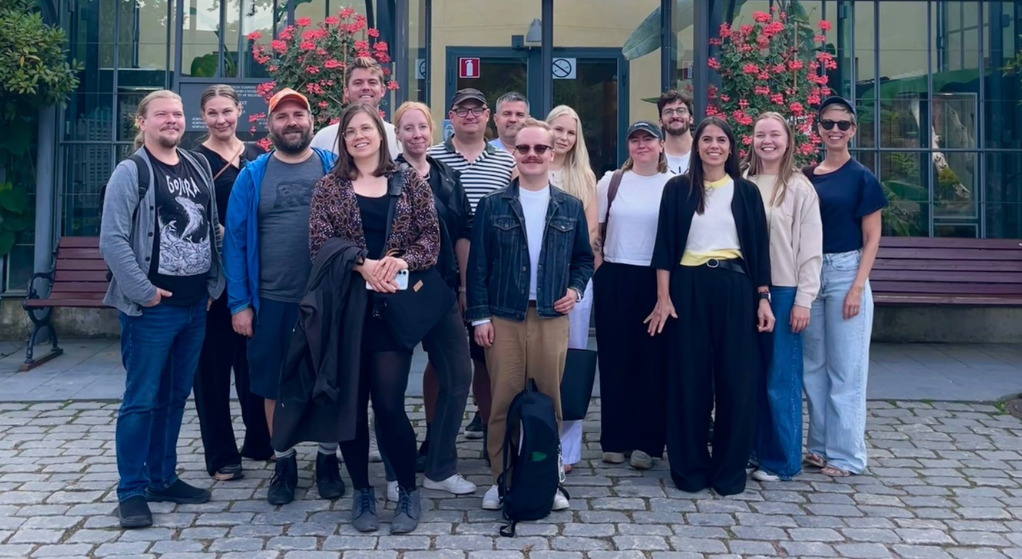
Researcher Itxaso Cabrera-Gil, a member of the Mental Health Research Group at IIS Aragón and the University of Zaragoza, has completed an Erasmus+ stay in one of the leading European research groups on addictions and gambling.
Research on gambling disorder is a fundamental tool for advancing its prevention, detecting risky behaviors early, and reducing its health consequences. The following works in this area: Mental Health Research Group of the Aragon Health Research Institute (IIS Aragon) and the University of Zaragoza, lead by Javier García Campayo and Yolanda López del Hoyo.
One of its researchers, Itxaso Cabrera-Gil, a health psychologist, teacher and doctoral student, has recently completed a short stay in the Centre for Research on Addiction, Control and Governance at the University of Helsinki, thanks to an Erasmus+ grant from the University of Zaragoza and Campus Iberus.
The stay has allowed him to learn firsthand about the work of one of the leading European groups in the study of addictions and gambling, to exchange experiences and to establish new avenues of scientific collaboration between both teams.
Gambling prevention from a gender perspective
The Mental Health Research Group develops two main lines of work, focused on Mindfulness and in gambling gameCabrera-Gil's doctoral thesis and several of the projects currently being promoted by the team fall within this latter category.
Among them stands out GAMBLHERThis preventative app, specifically designed for women, incorporates a gender perspective into the study and prevention of gambling-related behaviors. Its aim is to develop tools that address a reality that has traditionally been analyzed from approaches that are insensitive to the differences between men and women.
The group has also developed GAMBLHID, a gamified assessment designed to identify early risk variables and indicators associated with gambling, and GAMBLOUT, a preventative initiative that brings this issue into the classroom through a format of escape roomseeking to connect especially with the young population.
The next lines of research will also delve deeper into the costs associated with gambling, the mechanisms involved in the operation of online slot machines or slots and the relationship between mindfulness and play, expanding in this latter area the work from prevention towards intervention proposals.
A European perspective on gambling disorder
The stay in Helsinki has allowed us to compare the lines of research developed in Aragon with other European approaches and to delve deeper into issues such as The marketing strategies employed by the gaming industry, the gender perspective, or the differences in regulation and protection of citizens.
Cabrera-Gil particularly emphasizes the need to analyze how certain advertising and marketing strategies can contribute to normalizing gambling among young people even before they reach adulthood. This growing presence of gambling in physical and digital spaces can foster what the researcher defines as a progressive “gamblization” of everyday life.
The impact on health makes it especially important to continue making progress in this area. Available data show the prevalence of gambling among adolescents and young adults, even minors, while research conducted in Finland has highlighted the link between gambling disorder and serious mental health problems, including suicidal ideation.
Therefore, the researchers argue for the need to continue generating scientific evidence that contributes to improvement prevention, control, regulation and public policiesCloser coordination between European countries would also help to reduce existing differences in anti-gambling protection mechanisms.
New collaboration opportunities
The experience at the University of Helsinki opens up new possibilities for collaboration between the Mental Health Research Group of the IIS Aragón and the team Addiction, Control and Governance, strengthening the exchange of knowledge between researchers from northern and southern Europe.
A cooperation that shares three main principles: Incorporate health into all policies, integrate a gender perspective into research, and strengthen prevention to reduce the health and social consequences associated with gambling..
For Cabrera-Gil, this stay also represents an opportunity to incorporate new approaches into his upcoming scientific work and continue advancing research whose impact transcends the academic sphere: To generate knowledge that will allow the prevention of gambling disorder and protect the health of the population.





